Training Tips
Martial Arts Video Analysis: Use Recording with Purpose
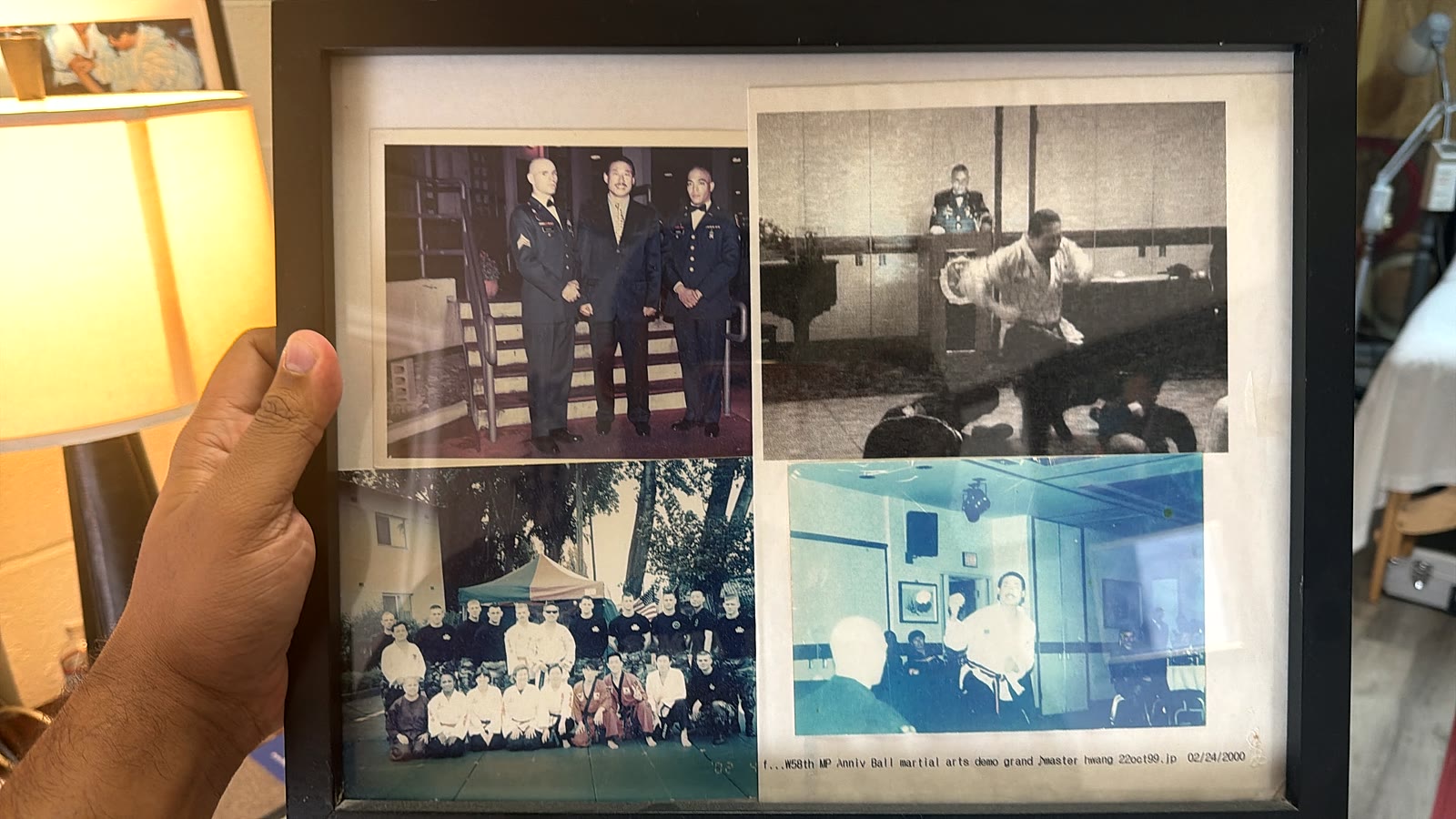
Martial arts video analysis can turn a brief training clip into a useful learning conversation. A recording may reveal a movement habit that is difficult to notice while practising, but the value comes from how you review it. The goal is not to judge every frame or chase perfect form. The goal is to identify one meaningful detail, discuss it with an instructor, and practise the next step with intention.
Used carefully, video can support Hapkido, Taekwondo, self-defence, and competition training. It should remain a learning aid rather than a substitute for coaching, context, or responsible practice.
Ask permission before recording
Before using a phone or camera in a class, ask the academy and any training partners for permission. A training space is shared by people who deserve privacy and respect. If recording is not appropriate, use written notes or ask the instructor to demonstrate the key detail again.
If a recording is permitted, keep it focused on your own practice and follow the academy's instructions. Avoid filming people who have not agreed to appear. Good etiquette protects the learning environment and keeps the review centred on your own development.
Choose one question for the clip
A short video is easier to review when it answers a specific question. You might want to examine whether your stance remains balanced, whether your hands return to a useful position, or whether a transition is clear.
Do not try to evaluate every part of a technique at once. Write one question before recording. This keeps the clip purposeful and makes it easier for an instructor to offer a practical correction.
Capture the movement clearly
If recording is allowed, place the camera where the full movement can be seen. Make sure the beginning and end of the drill are included, and avoid an angle that hides the feet, hands, or posture you want to review.
Clear framing and a controlled demonstration matter more than special effects. If you are working with a partner, communicate first.
Review without harsh self-judgement
Watching yourself can feel unfamiliar. Begin by describing what happened rather than labelling it as good or bad. Where did the movement lose balance? At what point did the sequence become unclear? Did your posture change during the transition?
This neutral language keeps the review useful. You are looking for information that can guide practice, not creating a verdict about your ability. Ask an instructor to help distinguish a meaningful technical issue from a difference that does not matter for the exercise.
Use a simple review sequence
A practical review can follow four steps. First, watch the clip once without pausing to understand the overall movement. Second, watch it again and identify the moment connected to your question. Third, write one observation in plain language. Fourth, ask what adjustment to try on the next repetition.
After applying the correction, review only enough to check the specific change. Rewatching the same clip repeatedly can become distracting. The purpose is to return to practice with a clear action.
Pair video with coaching
Video shows one performance in one context. It does not automatically explain why the movement looked that way or which correction matters most. An instructor can connect the clip to the exercise, the student's goal, and the training partner's role.
Bring a short, focused question to coaching. Ask whether your observation is accurate and what you should practise next. If the instructor offers a different interpretation, treat that as useful context rather than a contradiction.
Apply one correction at a time
Once you receive guidance, repeat the movement at a controlled pace. Choose one adjustment and notice whether it changes the quality of the technique. If the movement becomes confusing, slow down and ask for another explanation.
The value of video analysis is not in making practice busier. It is in helping you practise with a better question. Keep a short record of the correction, then revisit it during a later session instead of trying to solve every detail in one sitting.
Use technology with perspective
Current sports technology includes motion analysis, augmented tools, and digital feedback systems. They can encourage observation, but they do not replace coaching. A useful training decision still depends on the drill, the student's goals, the training partner, and the academy's standards.
Treat automated suggestions as prompts for questions, not final answers. Do not alter a technique or increase intensity based only on a screen. Discuss important adjustments with an instructor who can see the wider training context.
Connect analysis with KIMOO's disciplines
KIMOO Martial Arts offers Hapkido, Taekwondo, self-defence, and competition training in Santa Clara, California. Each practice objective may call for a different question about movement, control, timing, or positioning. Ask the instructor how video review, if permitted, could support the specific lesson rather than assuming one method fits every discipline.
Grand Master Jong Yeon Hwang trained at the Korea Hapkido Headquarters Dojang from 1971 and holds 8th Dan Hapkido. He won Gold at the 10th Wushu World Cup in Milan in 2005. He received the President's Volunteer Service Award, a White House honor, in 2023. KIMOO received Santa Clara District 2 Business of the Year in 2019.
Frequently asked questions
Is video analysis necessary for martial arts progress?
No. It is one optional learning aid. Written reflection, demonstrations, and direct coaching may be more useful for a particular student or exercise.
Can I record during a class?
Ask the academy and everyone who might appear before recording. Follow the academy's privacy guidance, and use notes instead if recording is not appropriate.
What should I look for in a clip?
Choose one question, such as balance during a transition or the clarity of a sequence. A focused review is more useful than trying to judge everything at once.
Can video replace a martial arts instructor?
No. A clip shows a single moment and does not provide the full context of the exercise. An instructor can explain which adjustment matters and how to practise it responsibly.
How often should I review training videos?
Review only when you have a clear question or a correction to check. Keep the process brief and return to deliberate practice instead of watching repeatedly without an objective.
What should I do if a recording makes my technique look different than expected?
Describe what you notice neutrally, then ask an instructor for context. Use the discussion to choose one practical correction rather than judging yourself from one clip. Ready to make every practice question count? Book a free trial class at KIMOO Martial Arts in Santa Clara or call (408) 243-1001.
Train with a champion
Book your free trial class at KIMOO Martial Arts in Santa Clara and train under a World Cup gold medalist.
Keep reading