Training Tips
Slow Martial Arts Practice: Why Precision Comes First
Speed is visible, but precision is easier to miss. In martial arts, slowing a movement can reveal details that disappear when you hurry: where your balance sits, when your hands change position, and whether you understand the purpose of the technique. Slow martial arts practice is not about making training passive. It is a deliberate way to improve attention and control before adding pace.
This approach can support Hapkido, Taekwondo, self-defence, and competition training when it is used with clear instruction. The goal is not to claim that slow practice solves every technical problem. It is to make each repetition understandable enough to review and refine.
What slow practice reveals
A fast repetition can hide a small error because the movement is over before you notice it. A slower repetition gives you time to observe your posture, foot placement, breathing, and the transition between positions. You can ask whether each part has a purpose rather than copying an outline.
Start with one detail. Perhaps you are studying a stance, a direction change, or the path of the hands. Trying to monitor everything at once can create confusion. Choose the detail your instructor has highlighted, then complete the movement with steady control.
Separate the phases of a technique
Many movements have recognisable phases: prepare, move, complete, and reset. Slowing down helps you identify these phases. You can notice whether you begin from a stable position, maintain balance during the transition, and finish in a position from which you can listen for the next instruction.
This does not mean every technique should be frozen into separate pieces forever. Once the phases are understood, they can connect more naturally. Slow practice is a way to build a map before asking the body to travel faster.
Use a clear training question
A useful repetition has a question behind it. Are you staying balanced as your direction changes? Are you keeping the movement controlled? Do you know where your attention should go? Ask your instructor to identify one priority for the drill, then return to that question as you practise.
Specific questions also make feedback more useful. Instead of saying, “Was that right?” you can ask, “Did I lose balance when I turned?” or “Should my reset happen before the next movement?” This gives the instructor a clear moment to observe and explain.
Keep breathing and effort measured
Rushing often changes more than speed. It can make you tense, hold your breath, or use more effort than the exercise requires. A measured pace gives you an opportunity to notice those habits. Follow the instructor’s breathing guidance and keep your attention on a controlled, repeatable movement.
Do not force relaxation or turn a technical drill into a performance. The right level of effort depends on the exercise. The important point is to understand what you are practising and to avoid adding intensity simply because a slower repetition feels less dramatic.
Add speed only when the movement is clear
Speed should be a training variable, not a badge of progress. Before increasing pace, check whether you can explain the movement, maintain control, and reset safely. If one of those pieces is missing, ask for another slower repetition.
When an instructor introduces more speed, change gradually. Keep the same technical question and compare the faster version with the slower one. If the detail disappears, reduce the pace and rebuild it. This cycle can make your practice more honest and more consistent.
Apply deliberate practice to partner drills
Slow practice is especially valuable when working with a partner. Agree on the purpose and pace before beginning. Move slowly enough that both people can communicate, pause, and maintain awareness of the available space. A partner drill is not a race to complete a sequence.
If contact, balance, or direction becomes unclear, stop and reset. Controlled repetition protects the learning purpose of the drill. It also gives both partners a chance to understand how their actions affect the exercise.
Learn from a long martial arts tradition
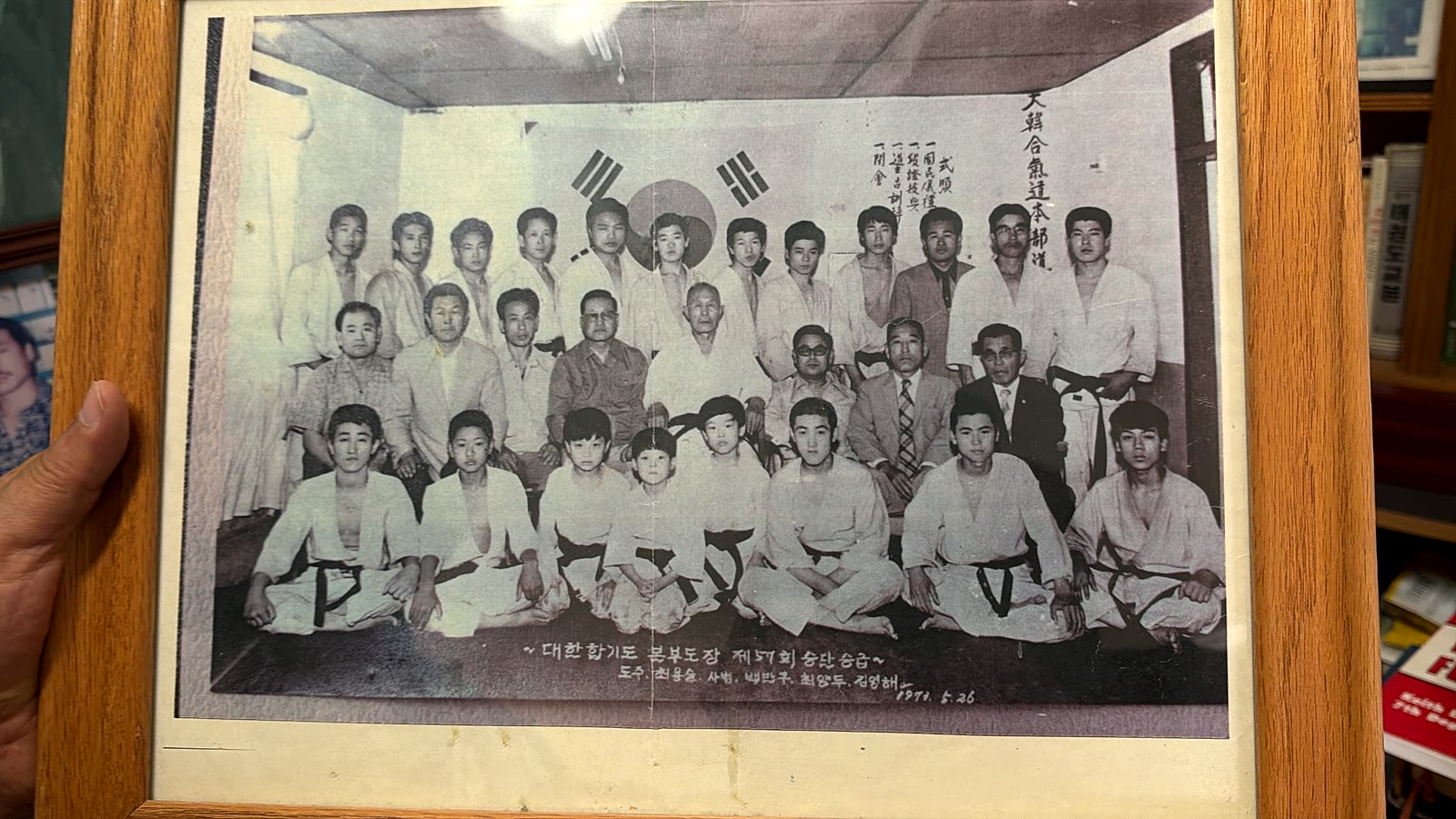
KIMOO Martial Arts is located in Santa Clara, California and offers Hapkido, Taekwondo, self-defence, and competition training. Grand Master Jong Yeon Hwang trained at the Korea Hapkido Headquarters Dojang from 1971 and holds 8th Dan Hapkido.
Grand Master Hwang won Gold at the 10th Wushu World Cup in Milan in 2005 and received the President’s Volunteer Service Award, a White House honor, in 2023. KIMOO received Santa Clara District 2 Business of the Year in 2019. These verified facts offer background as you consider where to train, while your own questions should guide your decision.
Make each repetition count
After practice, note one detail that became clearer and one detail you want to revisit. This small review keeps deliberate practice connected to a next step. You do not need to make every repetition perfect. You need to understand what you are working on and return to it with patience.
Slow practice is most effective when it is purposeful, coached, and connected to a wider training path. Let precision lead, then allow speed to grow from control rather than replace it.
Frequently asked questions
Is slow martial arts practice only for beginners?
No. Slower repetitions can help any student examine details, review transitions, and identify where control changes as pace increases. The training question should match the practitioner’s current needs.
Will practising slowly make me slower?
Slow practice is not the final pace. It is a way to understand movement and control before adding speed. Increase pace gradually and return to slower repetitions when a technical detail becomes unclear.
What should I focus on during a slow repetition?
Choose one instructor-approved detail, such as balance, foot placement, posture, timing, or the reset. One clear focus is usually more useful than trying to monitor every part at once.
How can I use slow practice with a partner?
Agree on the drill, pace, and stopping signal. Move with control, communicate when something is unclear, and reset rather than forcing a repetition that has lost its purpose.
When should I add speed?
Ask whether you understand the movement, can maintain control, and can reset safely. If not, continue at a manageable pace and ask your instructor for feedback.
Is precision more important than intensity?
For a technical drill, precision and understanding should come first. Intensity has a place in training, but it should serve the exercise rather than hide unclear movement. Build a stronger technical foundation through thoughtful practice at KIMOO Martial Arts in Santa Clara. Book a free trial class, or call (408) 243-1001.
Train with a champion
Book your free trial class at KIMOO Martial Arts in Santa Clara and train under a World Cup gold medalist.
Keep reading