Taekwondo Sport Anxiety Study: What Recent Injury Research Says
October 10, 20267 min readKIMOO Martial Arts
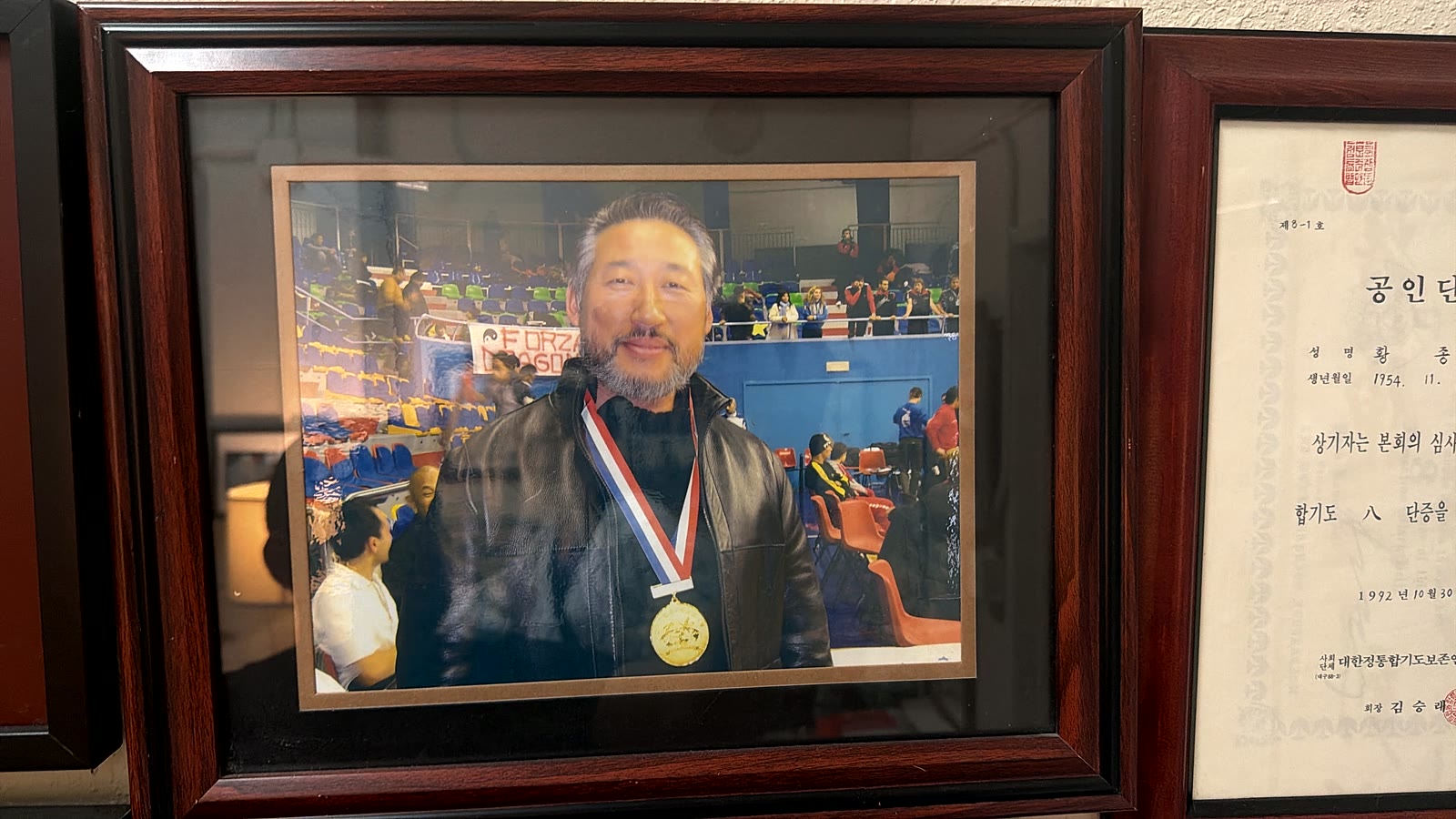
Grand Master Jong Yeon Hwang in a medal portrait

A recent Taekwondo sport anxiety study adds a psychological factor to a conversation often centered on physical preparation and movement. Its prospective design followed young athletes over several months and examined several possible associations with injury. The results are worth understanding, but not overreading: an association in a specific study group cannot predict what will happen to any one student or prove that anxiety causes injury.

What the study set out to examine

Published in Sports Health: A Multidisciplinary Approach, the research examined whether factors such as trait sport anxiety, aggression, training characteristics, and functional performance measures were associated with injuries in young Taekwondo athletes. It was a prospective cohort study, meaning researchers recorded starting assessments and then followed participants over time rather than relying only on a single retrospective snapshot.

The researchers enrolled 167 athletes. Of those, 156, aged 15 to 30, completed the six-to-ten-month follow-up and were included in the final analysis. The study tracked injury occurrence and training exposure, and it distinguished total injuries from contact and noncontact injury outcomes. Those details matter because the findings describe a particular group and method, not all martial arts students.

What the researchers reported

The paper reported that trait sport anxiety was the only factor consistently associated with all three injury outcomes examined: total, contact, and noncontact injuries. Other factors were associated with particular outcomes in the study's statistical analysis. The authors concluded that injury risk appeared multifactorial, with psychological, training, and functional factors all potentially relevant.

The word “associated” is important. This study did not show that anxiety alone causes injuries, nor that reducing anxiety will prevent them. It identified patterns within its sample. The authors' findings can motivate further research and thoughtful discussion, but they should not be turned into a universal rule about Taekwondo, a diagnosis, or a prediction about any individual athlete.

What the findings do not tell every student

The participants were young Taekwondo athletes who were followed in a specific research study. Their competition and training context may differ from that of a person attending an introductory class, a recreational student, or someone practicing another martial art. The results do not establish a risk estimate for an individual at a particular academy, and the study did not assess KIMOO Martial Arts students.

It also did not establish that an athlete who feels nervous is unsafe to train. Normal emotions vary, and a research association should not be used to label or exclude people. If a person is worried about injury, distress, or a health concern, a qualified health professional is the appropriate source for individual guidance. A blog summary is not a medical assessment.

A useful conversation about training

For students and families, the study is a reminder that athlete wellbeing can be part of a broader safety conversation. It is reasonable to ask an academy how it describes training expectations, how students can communicate a concern, and how it distinguishes regular practice from competition preparation. These questions are useful without assuming a particular class follows a specific process.

Coaches and athletes can also discuss workload, recovery, and how a student is feeling, while avoiding self-diagnosis based on a headline. The paper's authors suggested that psychological factors merit attention alongside training and functional factors. That is a research-informed reason to keep communication open, not a replacement for individual medical care or a guarantee that one intervention will prevent injury.

KIMOO Martial Arts is located in Santa Clara, California, and offers competition training as well as Hapkido, Taekwondo, and self-defence. Prospective students interested in competition can ask the academy what its current program involves and how to discuss personal questions before joining.

Frequently asked questions

What does trait sport anxiety mean in the study?

It refers to the anxiety measure the researchers assessed as an individual factor in a sport setting. The article reports a group-level association, not a diagnosis for a reader.

Did the study prove anxiety causes Taekwondo injuries?

No. It found an association in its participant group. The authors did not establish that anxiety alone causes injury or that one change can prevent it.

Who took part in the research?

The paper reports that 167 Taekwondo athletes were enrolled, and 156 athletes aged 15 to 30 completed the follow-up and were included in the final analysis.

Can a beginner use these findings to estimate personal injury risk?

No. The results are not a personal risk calculator and do not directly describe every beginner, every class, or every academy. Seek qualified professional advice for individual health concerns.

What should a prospective competition student ask an academy?

Ask what the current competition program involves, how students can raise questions, and what to expect before participating. Confirm program details directly rather than inferring them from a study. The research is one reason to approach competition training with curiosity and open communication. To learn about the programs at KIMOO Martial Arts in Santa Clara, book a free trial class or call (408) 243-1001.

Train with a champion

Book your free trial class at KIMOO Martial Arts in Santa Clara and train under a World Cup gold medalist.

Multi-Style Martial Arts Classes in Santa Clara: A Choosing Guide→What to Wear to a Martial Arts Class in Santa Clara: Trial Guide→Poomsae vs Kyorugi: How Taekwondo Competition Formats Differ→Non-Contact Martial Arts Classes in Santa Clara: Questions to Ask→K41 vs K44 Para Taekwondo: How Classification Shapes Competition→Martial Arts Classes for Parents and Teens in Santa Clara: What to Ask→Hapkido vs Aikido: Key Differences and How to Compare Training→Taekwondo Change-of-Direction Testing: What a 2026 Review Found→Martial Arts Classes for Focus in Santa Clara: Questions to Ask→Martial Arts School Culture in Santa Clara: What to Look For→Kids World Open Taekwondo Championships 2026: What to Know→Self-Defence or Competition Training in Santa Clara: How to Choose→Martial Arts Practice at Home: A Focused Guide to Solo Training→World Taekwondo Grand Prix Paris 2026: Dates and Format→Martial Arts Classes for Introverts in Santa Clara: A First-Visit Guide→Martial Arts and Nonviolence: Training with Restraint→Changing Martial Arts Schools in Santa Clara: Questions to Ask→Martial Arts Flexibility Training: Build Range with Control→Accessible Martial Arts Classes in Santa Clara: What to Ask→Martial Arts Membership in Santa Clara: Questions Before You Join→Martial Arts and Bullying Prevention: A Responsible Guide for Families→Martial Arts Gear in Santa Clara: What to Ask Before You Buy→Hydration for Martial Arts Training: A Practical Guide→De-escalation and Self-Defence Training in Santa Clara: What to Ask→Martial Arts Training Journal: A Simple Post-Class Guide→Poomsae vs Kyorugi: Two Taekwondo Competition Formats→Martial Arts Class Size in Santa Clara: What to Ask→Virtual Taekwondo at Asian Games 2026: How It Works→Hapkido Instructor in Santa Clara: What Credentials Can Tell You→Martial Arts Training Plateau: How to Find a Productive Next Step→Hapkido Self-Defence in Santa Clara: Questions to Ask Before You Choose→Taekwondo at LA 2028: Events, Classes, and What to Know→Adult Taekwondo Classes in Santa Clara: How to Choose→Martial Arts and Cognitive Engagement: What Recent Research Says→Martial Arts Classes for Caregivers in Santa Clara: What to Consider→Open-Skill Martial Arts Training: Why Adaptability Matters→Martial Arts Classes for Teachers in Santa Clara: A Thoughtful Guide→Representative Martial Arts Training: A Practical Guide→Martial Arts Classes for Shift Workers in Santa Clara: What to Ask→Travel Safety Martial Arts Classes in Santa Clara: What to Ask→External Focus in Martial Arts Training: A Practical Guide→Kids Martial Arts Classes in Santa Clara: A Parent's Guide→Guided Discovery in Martial Arts Training: A Practical Guide→Martial Arts Resilience Training: Build a Steadier Practice→Martial Arts for Personal Safety in Santa Clara: What to Ask→Deliberate Practice in Martial Arts: A Smarter Way to Train→Adult Hapkido Training in Santa Clara: What to Ask→Private Martial Arts Lessons in Santa Clara: Questions to Ask→Ecological Dynamics in Martial Arts Training: A Practical Guide→Martial Arts Interoception: Learn to Notice Your Body→Martial Arts Classes for New Residents in Santa Clara→Martial Arts Social Connection: How Shared Practice Works→Martial Arts Classes for Seniors in Santa Clara: What to Ask→Martial Arts Classes for Parents in Santa Clara: A Practical Guide→Martial Arts Breakfall Training: Why Safe Falling Matters→Martial Arts Classes for Adults Returning to Exercise in Santa Clara→Embodied Martial Arts Training: Learn Through Movement→Martial Arts Prehab: A Smarter Way to Prepare for Training→How to Choose Martial Arts Classes for Runners in Santa Clara→Martial Arts Video Analysis: Use Recording with Purpose→How to Choose Martial Arts Classes for Tech Professionals in Santa Clara→Martial Arts Coaching Feedback: How to Improve with Purpose→How to Choose Martial Arts Classes for College Students in Santa Clara→Martial Arts Warm-Up Drills for Focused, Safer Practice→How to Choose Martial Arts Classes for Couples in Santa Clara→How to Choose Taekwondo Competition Training in Santa Clara→Augmented Reality Martial Arts Training: What Students Should Know→Martial Arts Peripheral Vision Training: A Practical Guide→How to Compare a Martial Arts Class Schedule in Santa Clara→How to Choose Self-Defence Classes for Beginners in Santa Clara→Martial Arts Distance Management: Train Position with Purpose→Martial Arts Training Load Management: Train with Purpose→How to Choose Martial Arts Classes Near Me in Santa Clara→Strength Training for Martial Artists: A Balanced Guide→How to Choose Martial Arts Classes Near Santa Clara→Martial Arts Training Apps: A Smart Guide for Students→How to Choose a Martial Arts Instructor in Santa Clara→Martial Arts Rhythm Training: Build Better Timing→Martial Arts Class Cost in Santa Clara: Questions to Ask→Martial Arts Skill Retention: How to Remember What You Learn→Back-to-School Martial Arts in Santa Clara: A Family Guide→Wearable Technology for Martial Arts: A Smart Training Guide→Martial Arts Belt Testing in Santa Clara: What to Ask→How to Choose Martial Arts Classes After Work in Santa Clara→Gamification in Martial Arts Training: Use Play with Purpose→Martial Arts Classes for Stress Relief in Santa Clara: How to Choose→AI Martial Arts Training in 2026: What Technology Can Do→Martial Arts Coordination Classes in Santa Clara: What to Look For→Constraint-Led Martial Arts Training: A Practical Introduction→Slow Martial Arts Practice: Why Precision Comes First→Martial Arts Training Goals in Santa Clara: Find Your Fit→Self-Defence Training for Commuters in Santa Clara→Martial Arts Situational Awareness: A Practical Training Guide→Martial Arts Decision-Making Under Pressure: Train the Process→Your First Martial Arts Class in Santa Clara: A Simple Guide→Martial Arts Footwork Training: Build Better Movement Habits→Martial Arts Classes for Teens in Santa Clara: A Parent's Guide→Martial Arts Training Recovery: A Smarter Way to Practise→Adult Martial Arts Training in Santa Clara: How to Choose Well→Martial Arts School Comparison in Santa Clara: A Practical Guide→Martial Arts Motor Learning: How Skills Become More Precise→Martial Arts Proprioception Training for Better Body Awareness→How to Choose a Korean Martial Arts Academy in Santa Clara→Martial Arts Self-Regulation: Train Attention with Purpose→How to Choose Martial Arts for Confidence in Santa Clara→Choosing Taekwondo Self-Defence Training in Santa Clara→Martial Arts Goal Setting for More Purposeful Training→How to Choose Taekwondo Fitness Training in Santa Clara→Martial Arts Mental Rehearsal for More Focused Practice→How to Choose Martial Arts for Fitness in Santa Clara→Martial Arts Cross-Training: How to Combine Skills with Purpose→How to Choose Women's Self-Defence Classes in Santa Clara→Martial Arts Injury Prevention: Safer, Smarter Training Habits→Martial Arts Etiquette for Beginners: A Practical Guide→Family Martial Arts in Santa Clara: How to Choose a Dojo→How to Choose a Martial Arts Trial Class in Santa Clara→Martial Arts Partner Drills: How to Train with Purpose→Martial Arts Forms Training: How to Practise with Purpose→Hapkido Classes in Santa Clara: A Guide for New Students→What to Look for in Taekwondo Classes in Santa Clara→Martial Arts Reaction Time Training: A Smarter Way to Practise→Martial Arts Breathing Techniques for Better Training→How to Find Beginner Martial Arts Training in Santa Clara→Martial Arts Mobility and Balance Training for Everyday Movement→How to Choose Competition Martial Arts Training in Santa Clara→How Martial Arts Builds Focus and Discipline→How to Choose Adult Self-Defence Classes in Santa Clara→Hapkido vs Taekwondo: Which Martial Art Is Right for You?→How to Choose the Best Martial Arts Dojo in Santa Clara→