Martial Arts and Nonviolence: Training with Restraint
October 2, 20266 min readKIMOO Martial Arts
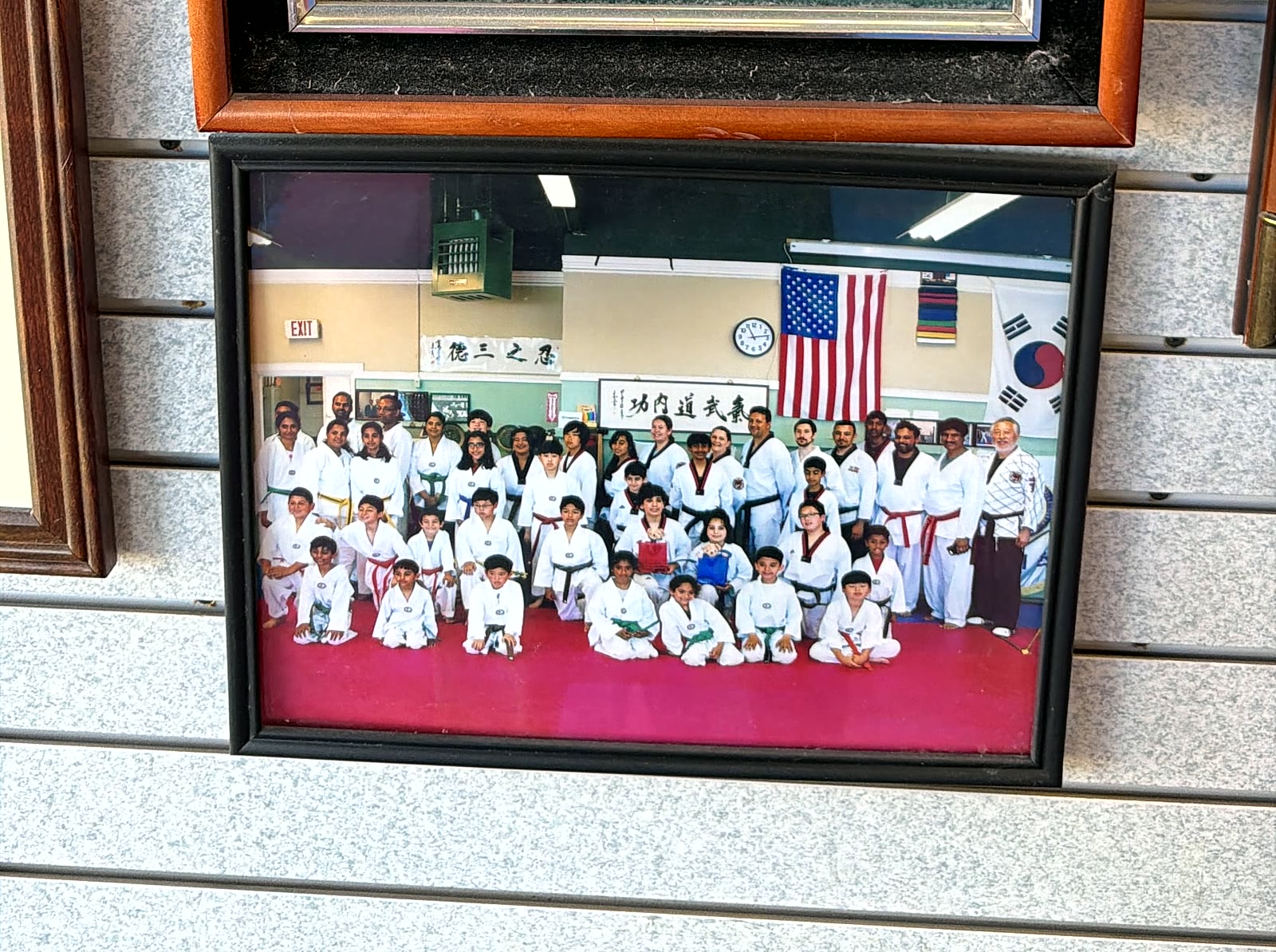
Students gathered for a martial arts class

Martial arts training is often associated with fighting, but the purpose of practice deserves a more thoughtful question: how can a student develop skill while treating safety, restraint, and respect as part of that skill? On October 2, the United Nations observes the International Day of Non-Violence. The date offers a timely reason to reflect on how training is framed, what it asks of a student, and how preparation can support responsible choices rather than aggression.

What October 2 represents

The United Nations observes the International Day of Non-Violence each year on October 2, the birthday of Mahatma Gandhi. The UN page explains that General Assembly resolution A/RES/61/271, adopted in 2007, established the commemoration as an occasion to share the message of non-violence through education and public awareness. Read the United Nations overview.

For a martial arts student, the observance can prompt a practical conversation about the values behind training. Learning a physical skill does not require treating conflict as entertainment or seeking chances to use force. A thoughtful practice can place attention on self-control, clear boundaries, and the responsibility that comes with learning movements that affect another person.

Treat control as part of skill

Technique is more than a movement performed with speed or intensity. Students can also pay attention to whether they understand the exercise, respect a partner's boundaries, and can pause when instructions are unclear. Control is not a separate courtesy to add after technique; it is part of practising with another person in a deliberate way.

Ask how an instructor explains safe partner practice, what students should do when they need to stop, and how questions are handled. These are useful questions in a class that includes physical interaction, whether the emphasis is Hapkido, Taekwondo, self-defence, or competition training. Do not assume that every academy teaches these topics in the same way. Listen for clear explanations, then use a trial visit to see whether the approach fits your expectations.

Distinguish practice from real-world conflict

Training drills take place in a learning environment. A real disagreement or threat may involve uncertainty, bystanders, and circumstances an exercise cannot fully reproduce. Students should not mistake a drill for a guarantee of what will happen outside class, or assume that practising a technique makes every situation predictable.

Responsible self-defence begins with considering whether there is a safe way to create distance, leave, or seek help. Physical action should not be treated as a first response to everyday disagreements. The specific choices available depend on the situation, and this article is not legal advice or a promise that any technique will work. If you face an immediate threat, prioritize getting to safety and contacting appropriate local emergency services.

Bring the idea into class conversations

A meaningful reflection does not need to be dramatic. A student can ask what a drill is designed to teach, how to practise it without unnecessary force, and how the instructor wants partners to communicate. These questions can turn the theme of restraint into something concrete: better awareness of the training goal and more care in carrying it out.

For instructors and students alike, it is also useful to consider how competition and self-defence training differ in purpose. Competition takes place within its own rules and context; self-defence is concerned with personal safety and uncertain real-world circumstances. Neither should be used to glamorize violence. Ask how a specific class describes its aims instead of assuming one discipline or label tells the whole story.

Choose a training environment thoughtfully

When comparing martial arts academies, ask how expectations are explained, how control is encouraged in partner exercises, and how the instructor responds when an activity needs to pause. Notice whether the answers are specific and whether you feel comfortable raising concerns. A responsible choice includes understanding the school's approach and deciding whether it aligns with your own values.

KIMOO Martial Arts is located in Santa Clara, California, and offers Hapkido, Taekwondo, self-defence, and competition training. These verified facts do not describe the academy's specific class practices or philosophy. Contact KIMOO directly to ask how current classes are taught and what a first visit involves.

Frequently asked questions

How can martial arts and nonviolence fit together?

They can be considered together by treating self-control, respect, and responsible choices as important parts of learning. A martial art label alone does not tell you how a particular class handles these values, so ask the instructor directly.

What is the International Day of Non-Violence?

It is a United Nations observance held on October 2, Gandhi's birthday. The UN says the commemoration was established in 2007 to share the message of non-violence through education and public awareness.

Does martial arts training guarantee personal safety?

No. Training cannot guarantee what will happen in an unpredictable situation. Ask an instructor what a class covers, and remember that this article is not a substitute for emergency assistance or professional advice.

What should I ask before joining a class?

Ask what the class is designed to teach, how students communicate during partner work, how to pause an exercise, and how the instructor distinguishes competition practice from self-defence training.

Is self-defence the same as seeking confrontation?

No. A responsible personal-safety mindset does not mean looking for conflict. When possible, consider safe ways to create distance, leave, or seek help rather than escalating an encounter. On the International Day of Non-Violence, consider making restraint part of your martial arts conversation. Book a free trial class at KIMOO Martial Arts in Santa Clara to ask about current training, or call (408) 243-1001.

Train with a champion

Book your free trial class at KIMOO Martial Arts in Santa Clara and train under a World Cup gold medalist.

Changing Martial Arts Schools in Santa Clara: Questions to Ask→Martial Arts Flexibility Training: Build Range with Control→Accessible Martial Arts Classes in Santa Clara: What to Ask→Martial Arts Membership in Santa Clara: Questions Before You Join→Martial Arts and Bullying Prevention: A Responsible Guide for Families→Martial Arts Gear in Santa Clara: What to Ask Before You Buy→Hydration for Martial Arts Training: A Practical Guide→De-escalation and Self-Defence Training in Santa Clara: What to Ask→Martial Arts Training Journal: A Simple Post-Class Guide→Poomsae vs Kyorugi: Two Taekwondo Competition Formats→Martial Arts Class Size in Santa Clara: What to Ask→Virtual Taekwondo at Asian Games 2026: How It Works→Hapkido Instructor in Santa Clara: What Credentials Can Tell You→Martial Arts Training Plateau: How to Find a Productive Next Step→Hapkido Self-Defence in Santa Clara: Questions to Ask Before You Choose→Taekwondo at LA 2028: Events, Classes, and What to Know→Adult Taekwondo Classes in Santa Clara: How to Choose→Martial Arts and Cognitive Engagement: What Recent Research Says→Martial Arts Classes for Caregivers in Santa Clara: What to Consider→Open-Skill Martial Arts Training: Why Adaptability Matters→Martial Arts Classes for Teachers in Santa Clara: A Thoughtful Guide→Representative Martial Arts Training: A Practical Guide→Martial Arts Classes for Shift Workers in Santa Clara: What to Ask→Travel Safety Martial Arts Classes in Santa Clara: What to Ask→External Focus in Martial Arts Training: A Practical Guide→Kids Martial Arts Classes in Santa Clara: A Parent's Guide→Guided Discovery in Martial Arts Training: A Practical Guide→Martial Arts Resilience Training: Build a Steadier Practice→Martial Arts for Personal Safety in Santa Clara: What to Ask→Deliberate Practice in Martial Arts: A Smarter Way to Train→Adult Hapkido Training in Santa Clara: What to Ask→Private Martial Arts Lessons in Santa Clara: Questions to Ask→Ecological Dynamics in Martial Arts Training: A Practical Guide→Martial Arts Interoception: Learn to Notice Your Body→Martial Arts Classes for New Residents in Santa Clara→Martial Arts Social Connection: How Shared Practice Works→Martial Arts Classes for Seniors in Santa Clara: What to Ask→Martial Arts Classes for Parents in Santa Clara: A Practical Guide→Martial Arts Breakfall Training: Why Safe Falling Matters→Martial Arts Classes for Adults Returning to Exercise in Santa Clara→Embodied Martial Arts Training: Learn Through Movement→Martial Arts Prehab: A Smarter Way to Prepare for Training→How to Choose Martial Arts Classes for Runners in Santa Clara→Martial Arts Video Analysis: Use Recording with Purpose→How to Choose Martial Arts Classes for Tech Professionals in Santa Clara→Martial Arts Coaching Feedback: How to Improve with Purpose→How to Choose Martial Arts Classes for College Students in Santa Clara→Martial Arts Warm-Up Drills for Focused, Safer Practice→How to Choose Martial Arts Classes for Couples in Santa Clara→How to Choose Taekwondo Competition Training in Santa Clara→Augmented Reality Martial Arts Training: What Students Should Know→Martial Arts Peripheral Vision Training: A Practical Guide→How to Compare a Martial Arts Class Schedule in Santa Clara→How to Choose Self-Defence Classes for Beginners in Santa Clara→Martial Arts Distance Management: Train Position with Purpose→Martial Arts Training Load Management: Train with Purpose→How to Choose Martial Arts Classes Near Me in Santa Clara→Strength Training for Martial Artists: A Balanced Guide→How to Choose Martial Arts Classes Near Santa Clara→Martial Arts Training Apps: A Smart Guide for Students→How to Choose a Martial Arts Instructor in Santa Clara→Martial Arts Rhythm Training: Build Better Timing→Martial Arts Class Cost in Santa Clara: Questions to Ask→Martial Arts Skill Retention: How to Remember What You Learn→Back-to-School Martial Arts in Santa Clara: A Family Guide→Wearable Technology for Martial Arts: A Smart Training Guide→Martial Arts Belt Testing in Santa Clara: What to Ask→How to Choose Martial Arts Classes After Work in Santa Clara→Gamification in Martial Arts Training: Use Play with Purpose→Martial Arts Classes for Stress Relief in Santa Clara: How to Choose→AI Martial Arts Training in 2026: What Technology Can Do→Martial Arts Coordination Classes in Santa Clara: What to Look For→Constraint-Led Martial Arts Training: A Practical Introduction→Slow Martial Arts Practice: Why Precision Comes First→Martial Arts Training Goals in Santa Clara: Find Your Fit→Self-Defence Training for Commuters in Santa Clara→Martial Arts Situational Awareness: A Practical Training Guide→Martial Arts Decision-Making Under Pressure: Train the Process→Your First Martial Arts Class in Santa Clara: A Simple Guide→Martial Arts Footwork Training: Build Better Movement Habits→Martial Arts Classes for Teens in Santa Clara: A Parent's Guide→Martial Arts Training Recovery: A Smarter Way to Practise→Adult Martial Arts Training in Santa Clara: How to Choose Well→Martial Arts School Comparison in Santa Clara: A Practical Guide→Martial Arts Motor Learning: How Skills Become More Precise→Martial Arts Proprioception Training for Better Body Awareness→How to Choose a Korean Martial Arts Academy in Santa Clara→Martial Arts Self-Regulation: Train Attention with Purpose→How to Choose Martial Arts for Confidence in Santa Clara→Choosing Taekwondo Self-Defence Training in Santa Clara→Martial Arts Goal Setting for More Purposeful Training→How to Choose Taekwondo Fitness Training in Santa Clara→Martial Arts Mental Rehearsal for More Focused Practice→How to Choose Martial Arts for Fitness in Santa Clara→Martial Arts Cross-Training: How to Combine Skills with Purpose→How to Choose Women's Self-Defence Classes in Santa Clara→Martial Arts Injury Prevention: Safer, Smarter Training Habits→Martial Arts Etiquette for Beginners: A Practical Guide→Family Martial Arts in Santa Clara: How to Choose a Dojo→How to Choose a Martial Arts Trial Class in Santa Clara→Martial Arts Partner Drills: How to Train with Purpose→Martial Arts Forms Training: How to Practise with Purpose→Hapkido Classes in Santa Clara: A Guide for New Students→What to Look for in Taekwondo Classes in Santa Clara→Martial Arts Reaction Time Training: A Smarter Way to Practise→Martial Arts Breathing Techniques for Better Training→How to Find Beginner Martial Arts Training in Santa Clara→Martial Arts Mobility and Balance Training for Everyday Movement→How to Choose Competition Martial Arts Training in Santa Clara→How Martial Arts Builds Focus and Discipline→How to Choose Adult Self-Defence Classes in Santa Clara→Hapkido vs Taekwondo: Which Martial Art Is Right for You?→How to Choose the Best Martial Arts Dojo in Santa Clara→