Choosing a Dojo
Choosing Martial Arts Classes for Coordination in Santa Clara
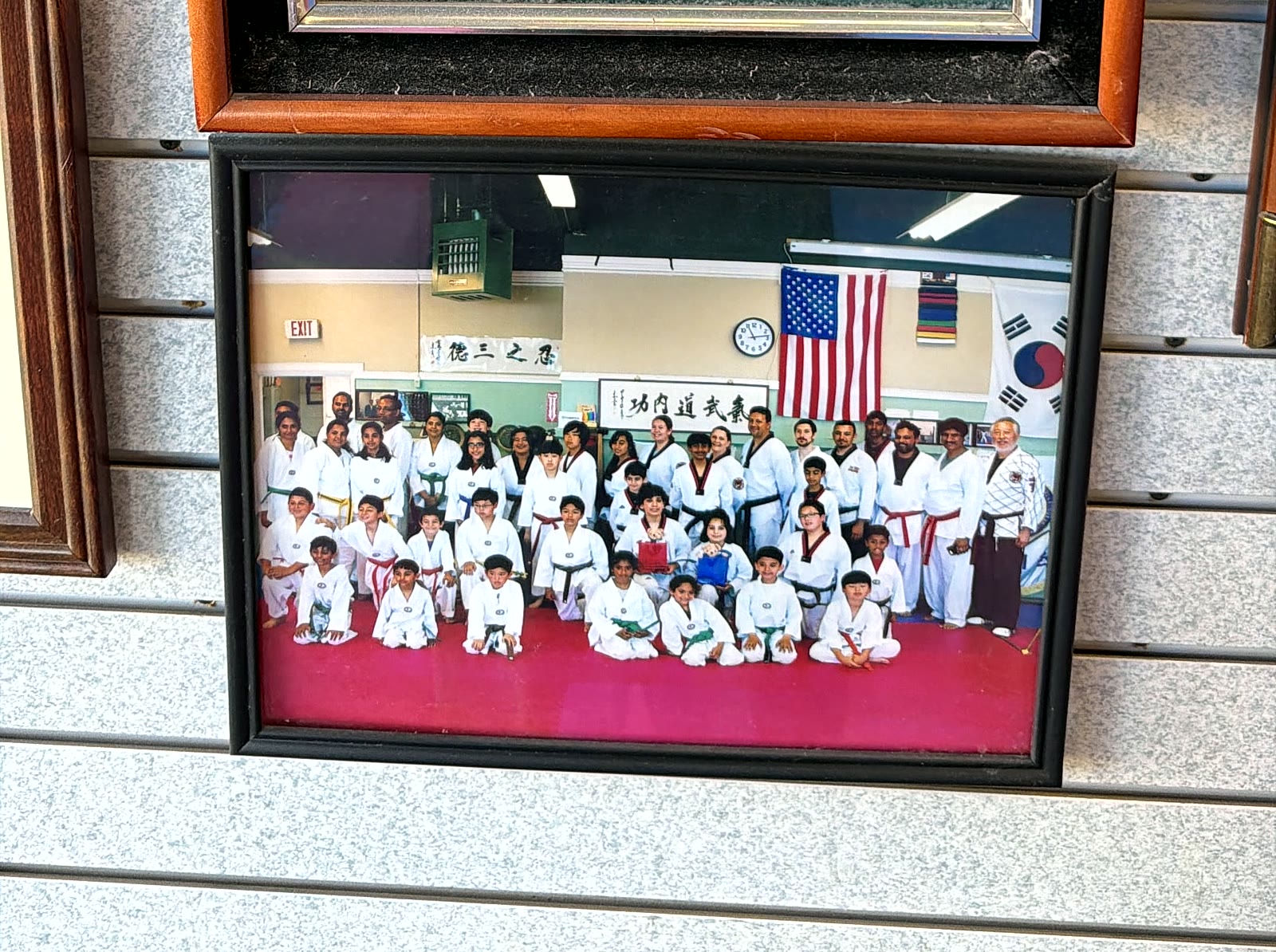
Martial arts classes for coordination in Santa Clara may interest families looking for structured movement practice, but choosing a program starts with asking what the class actually involves. Coordination is a broad goal, not a promise of a particular outcome. A useful first step is to learn how a school teaches movement, what its current offerings include, and whether the setting feels appropriate for the person who will attend.
Define what you mean by coordination
People use the word coordination to describe many different things: learning a sequence, balancing while moving, timing a step, or connecting a hand and foot movement. Before calling an academy, note which activities you have in mind and what you hope to explore. This makes it easier to ask a focused question rather than expecting a general class to address a specific concern.
If a child has diagnosed or suspected developmental coordination disorder, or if movement concerns affect daily life, discuss activity choices with the child's healthcare or therapy team. A martial arts class is not a diagnosis or a substitute for individualized clinical advice. A school can explain its classes, but should not be expected to assess or treat a medical condition unless it has appropriate clinical qualifications and a defined clinical role.
Ask how practice is structured
When exploring a class in Santa Clara, ask what kinds of movement and practice are included in the specific program you are considering. The academy can explain its current class focus and how a new participant can find out whether the instruction fits their goals. Avoid assuming that every class at a school has the same activities, pace, or format.
You can ask how new participants are introduced to a movement, how they can request clarification, and what to do if an activity feels unfamiliar. These questions help you understand the learning environment without requiring a promise about results. Ask about current availability and visit arrangements directly, since schedules and other practical details may change.
Use a first visit to assess fit
A first visit is a chance to observe and ask practical questions. Notice whether instructions are understandable to you, whether there is room to ask for clarification, and whether the session's focus matches what the academy described. Consider whether the person attending is comfortable with the setting and can communicate when they need help or a pause.
There is no single class style that is right for everyone. Your questions may include what the first session involves, whether there is anything to prepare, how to communicate individual needs, and which details should be confirmed before arriving. If you are comparing schools, ask each one the same core questions so that your comparison is based on useful information rather than marketing claims.
Consider the discipline and your goals
KIMOO Martial Arts is located in Santa Clara, California, and offers Hapkido, Taekwondo, self-defence, and competition training. These disciplines and training purposes are not interchangeable. Ask which current option best matches your interest in learning movement, martial arts fundamentals, self-defence, or competition, and what the school recommends as a next step for understanding its programs.
The instructor's background may also be part of your decision. Grand Master Jong Yeon Hwang trained at the Korea Hapkido Headquarters Dojang from 1971 and holds 8th Dan Hapkido. These are relevant details about his experience and rank, but they do not replace a conversation about the content of a specific class or whether it suits a particular participant.
What research can and cannot tell families
Research can help frame sensible questions, but it should not be used to promise an individual result. A 2026 systematic review of martial arts interventions for children and young people with developmental coordination disorder found promising results in a limited body of research. The authors included five studies, with the martial arts studied including karate, tai chi, and Taekwondo. Their findings are not proof that every martial arts class produces the same outcomes, and they do not establish that a particular academy's program is a clinical intervention.
A broader 2026 scoping review of interventions for children with DCD identified a wide range of approaches and noted that long-term psychosocial and participation outcomes were less explored. That is a useful reminder to consider everyday participation and individual needs, not only a research headline. Families can read the reviews and raise questions with a qualified healthcare professional when they need individualized guidance.
Frequently asked questions
Can martial arts classes help with coordination?
Research on specific interventions offers promising findings in some populations, but outcomes depend on the program and individual context. Do not treat a general martial arts class as a guaranteed intervention or medical treatment.
What should I ask a Santa Clara academy before visiting?
Ask what the specific class focuses on, what a first visit involves, how to ask for clarification, and how to communicate participation needs. Confirm current scheduling and other visit details directly.
Is a martial arts instructor able to diagnose a coordination disorder?
A martial arts instructor should not be assumed to diagnose a medical or developmental condition. Seek assessment or individual advice from an appropriate healthcare professional.
Which martial arts does KIMOO offer?
KIMOO Martial Arts offers Hapkido, Taekwondo, self-defence, and competition training in Santa Clara. Contact the academy for current program details.
Does the research guarantee results at a particular school?
No. Research findings about studied programs do not guarantee an outcome for every person or apply automatically to every school's classes. Ask about the actual program and consult qualified clinicians for individual needs. To ask about current programs or book a free trial class at KIMOO Martial Arts in Santa Clara, call (408) 243-1001.
Train with a champion
Book your free trial class at KIMOO Martial Arts in Santa Clara and train under a World Cup gold medalist.
Keep reading