Styles Explained
A Beginner’s Guide to Hapkido Classes in Santa Clara
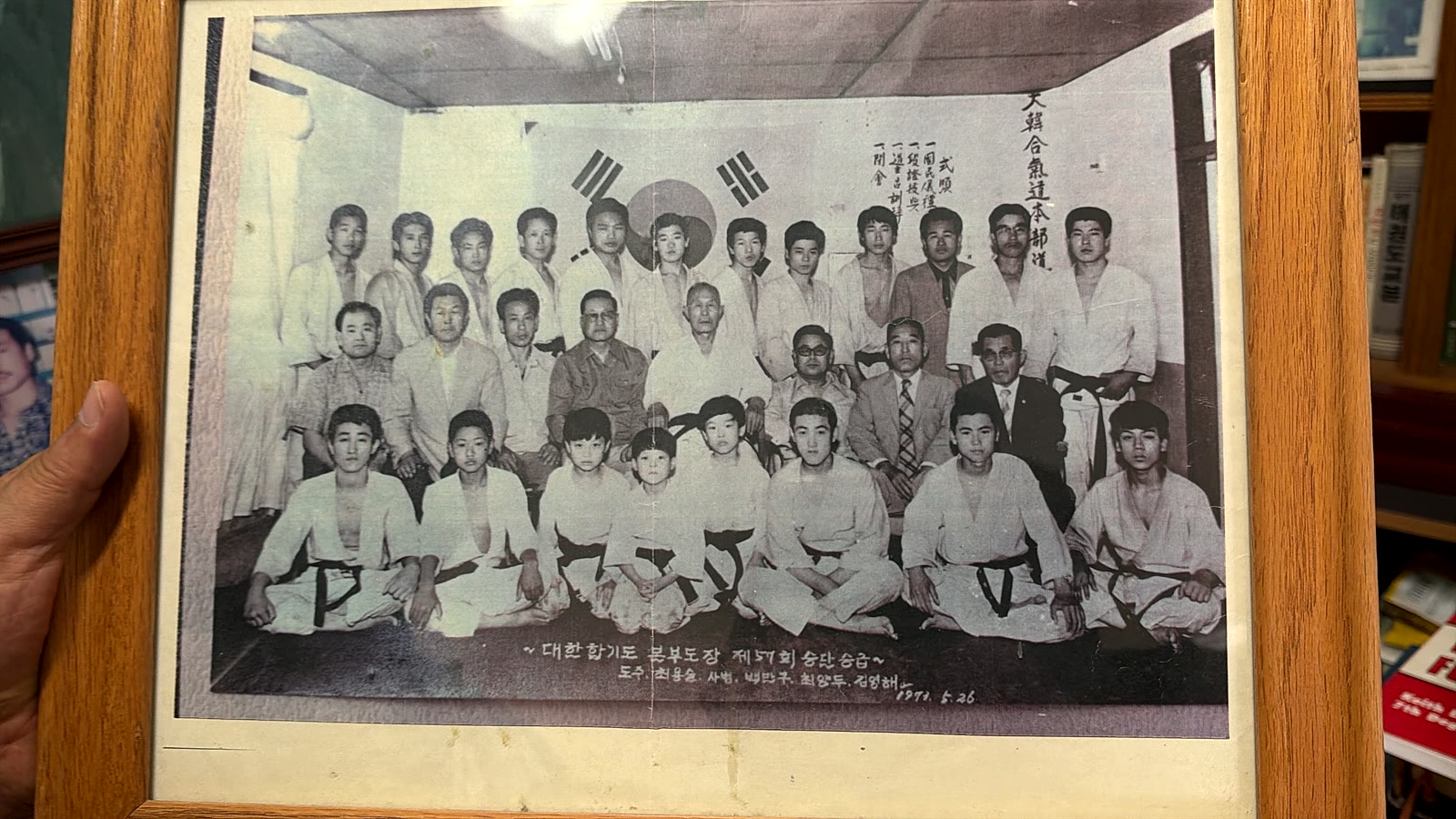
Choosing Hapkido classes in Santa Clara can feel like a big decision when you are new to martial arts. You may be curious about practical self-defence, want to learn a Korean martial art, or simply be ready to try a disciplined new activity. Understanding what Hapkido emphasizes and what to look for in instruction can help you make a thoughtful start.
What is Hapkido?
Hapkido is a Korean martial art. Its practice can include movement, balance, controlled techniques, and self-defence concepts. Like any complex discipline, it is learned progressively. A beginner should expect to focus on fundamentals and careful repetition rather than mastering a technique after one demonstration.
People often compare Hapkido with striking-focused martial arts. Instead of assuming one style is universally best, consider what you want to learn and how the instructor explains the art. Ask how lessons connect basic movement to more advanced skills, and how partner practice is introduced safely.
KIMOO Martial Arts in Santa Clara offers Hapkido, Taekwondo, self-defence, and competition training. Its head instructor, Grand Master Jong Yeon Hwang, trained at the Korea Hapkido Headquarters Dojang from 1971 and holds 8th Dan Hapkido rank. Those are verifiable details prospective students can consider while researching Hapkido training in the area.
What beginners can focus on first
A first step in martial arts is learning how to learn. Listen to the explanation, watch the demonstration, ask questions, and practise at a controlled pace. It is normal for a movement to feel unfamiliar at first. Rather than comparing yourself with experienced students, pay attention to one or two corrections at a time.
Useful beginner goals may include:
- Becoming comfortable with the basic vocabulary used in class.
- Improving awareness of balance, posture, and controlled movement.
- Practising with respect for a partner and clear communication.
- Understanding the purpose and limits of each drill.
- Building a sustainable routine that fits your life.
These are learning goals, not guaranteed outcomes. Progress depends on practice, instruction, individual circumstances, and time. A responsible academy should welcome questions about expectations and explain how beginners are supported.
How to compare Hapkido classes in Santa Clara
A nearby location matters, but it is only one part of a good fit. Look for clear teaching, respectful interactions, and explanations that make sense to a beginner. Ask whether the instructor can describe the purpose of a drill and how intensity is adjusted for a learner’s experience.
Consider these questions when comparing Hapkido classes:
- What does a typical beginner’s first session involve?
- How are partner drills introduced and supervised?
- What should I wear or bring to try a class?
- How can I tell the instructor about an injury or limitation?
- What training options are available for my goals?
- Is there a free trial class so I can experience the instruction?
You do not need to rely on grand promises. Look for a transparent conversation about learning, safety, and commitment. If an academy offers a free trial, use it to observe the teaching style and decide whether you feel comfortable asking questions.
A practical note on self-defence
Hapkido is associated with self-defence training, but no class can guarantee personal safety in every situation. A thoughtful approach includes awareness, boundaries, de-escalation, leaving when possible, and seeking help. Physical practice can be one part of that broader approach, not a substitute for judgment or emergency assistance.
When discussing self-defence training, ask how techniques are taught and practised. You should understand the limits of a drill and the importance of control. Practice should not encourage unnecessary confrontation or create unrealistic expectations about what a student can do outside class.
Give yourself a realistic first-class plan
Before attending, write down what you hope to learn and any questions you have. Wear comfortable clothing if the academy has not provided different instructions, and share any relevant physical limitations with the instructor. During class, focus on listening and safe participation rather than trying to perform everything perfectly.
Afterward, reflect on whether explanations were clear, whether you felt respected, and whether the training matched your goals. A first class is an opportunity to learn about the academy as much as it is an introduction to Hapkido. Taking time to compare options is sensible.
Frequently asked questions
Is Hapkido suitable for a complete beginner?
A beginner can explore Hapkido by asking how the academy introduces foundational movements and partner practice. Experience and physical ability vary, so explain your goals and any limitations to the instructor before you participate.
What should I look for in a Hapkido instructor?
Look for clear explanations, respectful feedback, attention to control, and specific, verifiable training credentials. At KIMOO Martial Arts, Grand Master Jong Yeon Hwang trained at the Korea Hapkido Headquarters Dojang from 1971 and holds 8th Dan Hapkido rank.
Does Hapkido guarantee practical self-defence?
No martial art can guarantee safety in every real-world situation. Ask how training addresses awareness, avoidance, controlled practice, and the limits of techniques.
How can I try Hapkido in Santa Clara?
Contact KIMOO Martial Arts to ask about a free trial class and what to expect at a first visit. You can discuss your interests and decide whether the instruction is a good fit. If you are ready to explore Hapkido with thoughtful, experienced instruction, book a free trial class at KIMOO Martial Arts in Santa Clara, or call (408) 243-1001.
Train with a champion
Book your free trial class at KIMOO Martial Arts in Santa Clara and train under a World Cup gold medalist.
Keep reading