Kids Program
Martial Arts for Kids With ADHD or Autism: What the Research Says
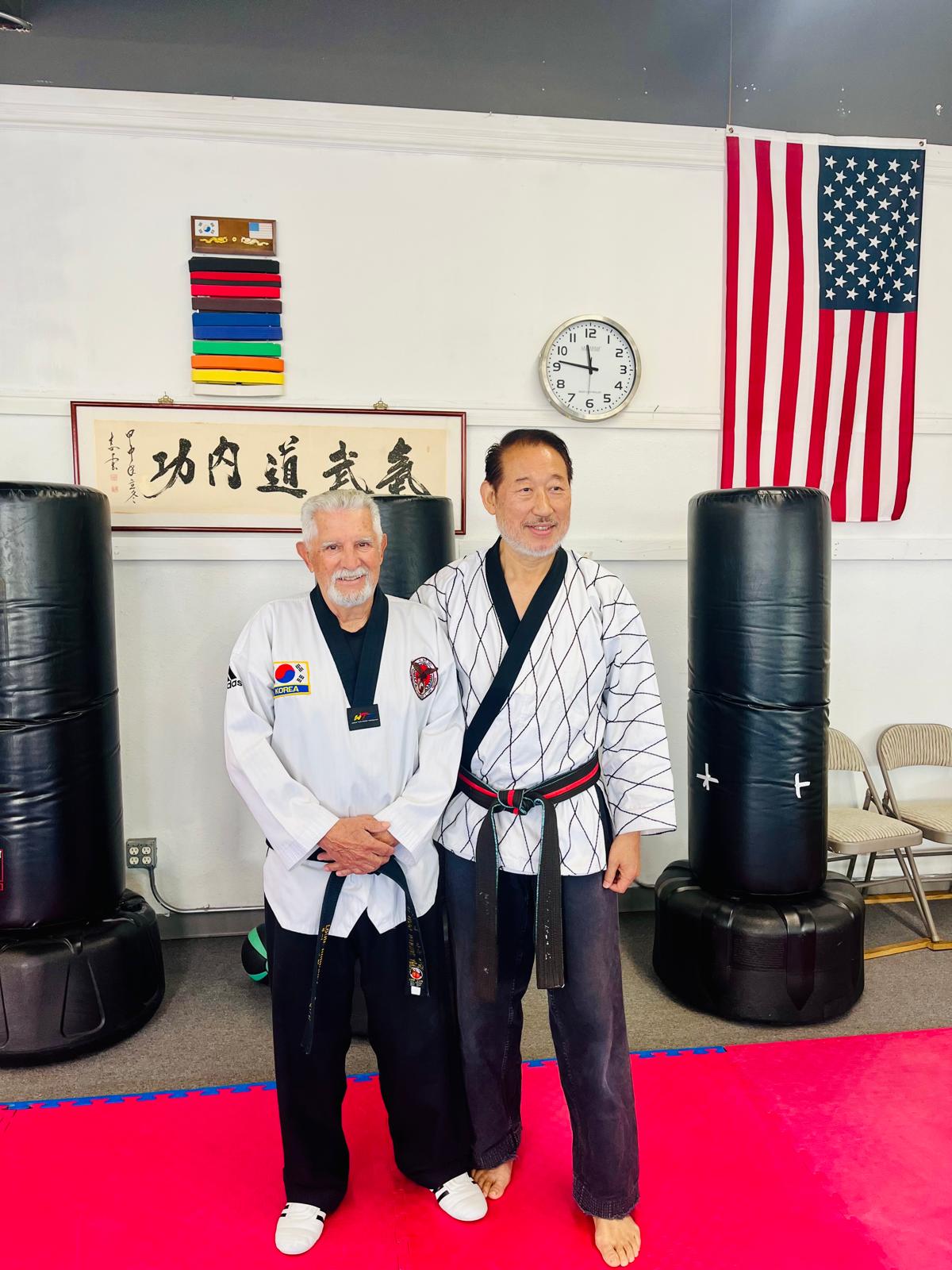
If you have a child with ADHD or on the autism spectrum, you have probably been told martial arts would be good for them. Possibly by a martial arts school.
We think you deserve the actual evidence, including the parts that are inconvenient for us.
What the research found
Autism. A 2025 scoping review of martial arts interventions for children and adolescents with autism concluded that the available evidence suggests martial arts may offer meaningful benefits across multiple developmental domains. Separately, a 2020 study of school-aged children with autism found improvements in working memory and inhibitory control after a mixed martial arts program, with parents also reporting better emotion and behaviour regulation.
ADHD. A narrative review of eleven peer-reviewed studies concluded that martial arts may support cognitive and behavioural development in people with ADHD. One frequently cited example is a 12-week judo program that improved visuospatial working memory in children with ADHD.
Where the research is weak — and why we are telling you
Here is the part most dojo websites leave out.
- The 2025 autism review found only two eligible randomised controlled trials. Two. That is a very thin evidence base.
- A scoping review covering ADHD and developmental coordination disorder found results were inconsistent, and explicitly noted concerns about the number and quality of available studies.
- Review authors across the board call for larger, better-designed trials.
So the honest summary is this: martial arts is a promising structured activity with plausible benefits for attention, self-regulation and social skills — not a proven treatment. Anyone who tells you it is a therapy is overselling.
If a school claims martial arts will fix your child's ADHD, be sceptical. If they cite a specific study, ask which one.
Why the structure may help, mechanically
Setting the research aside, there are features of a traditional martial arts class that map unusually well onto what many of these children find difficult.
- Highly predictable structure. The same opening, the same etiquette, the same sequence, every session. Predictability reduces load.
- One instruction at a time. Technique is taught in single, concrete steps rather than open-ended play.
- Clear, visible progress. Belts externalise progress in a way that does not depend on social comparison.
- Individual measurement. A student is assessed against their own previous standard, not against the fastest child in the room.
- Movement as the medium. Sitting still is not a prerequisite for participating.
What to look for in a class
- Small group sizes, so your child is corrected individually rather than lost in a crowd.
- Instructors who will talk to you honestly about your child's needs before the first class.
- A trial class you can observe, so you can see how your child actually responds before committing.
- No pressure to sign before you both know it fits.
Our wider guide to choosing a school and the red flags to avoid applies doubly here, and the kids program is described in full.
Come and see how your child responds
The only meaningful test is watching your child in the room. At KIMOO Martial Arts in Santa Clara the first class is free, you are welcome to observe, and there is no contract. New students receive a free uniform and white belt.
Tell us about your child when you call (408) 243-1001 and we will make sure the first class is set up to suit them.
Train where the standard is real
Your child is corrected personally by an 8th Dan Grand Master who trained at the source of the art in 1971 — not by a rotating roster of part-time instructors. Small groups mean individual attention.
Visit us: 2181 El Camino Real, Santa Clara, CA 95050
Frequently asked questions
Is martial arts good for children with ADHD?
Research suggests martial arts may support cognitive and behavioural development in children with ADHD, including one 12-week judo study that improved working memory. However, reviews note the evidence is inconsistent and more good-quality trials are needed.
Can martial arts help a child with autism?
A 2025 scoping review found martial arts may offer meaningful developmental benefits for children with autism, and a 2020 study reported gains in working memory and inhibitory control. The review was based on only two randomised controlled trials, so the evidence is promising rather than conclusive.
Is martial arts a treatment for ADHD or autism?
No. It is a structured physical activity with plausible benefits, not a therapy. Be cautious of any school that presents it as treatment.
What should I look for in a class for my neurodivergent child?
Small group sizes, instructors willing to discuss your child's needs beforehand, a trial class you can observe, and no pressure to sign a contract.
Where is KIMOO Martial Arts in Santa Clara?
We are at 2181 El Camino Real, Santa Clara, CA 95050. Call (408) 243-1001.
Train with a champion
Book your free trial class at KIMOO Martial Arts in Santa Clara and train under a World Cup gold medalist.
Keep reading