Kids & Family
Back-to-School Martial Arts in Santa Clara: A Family Guide
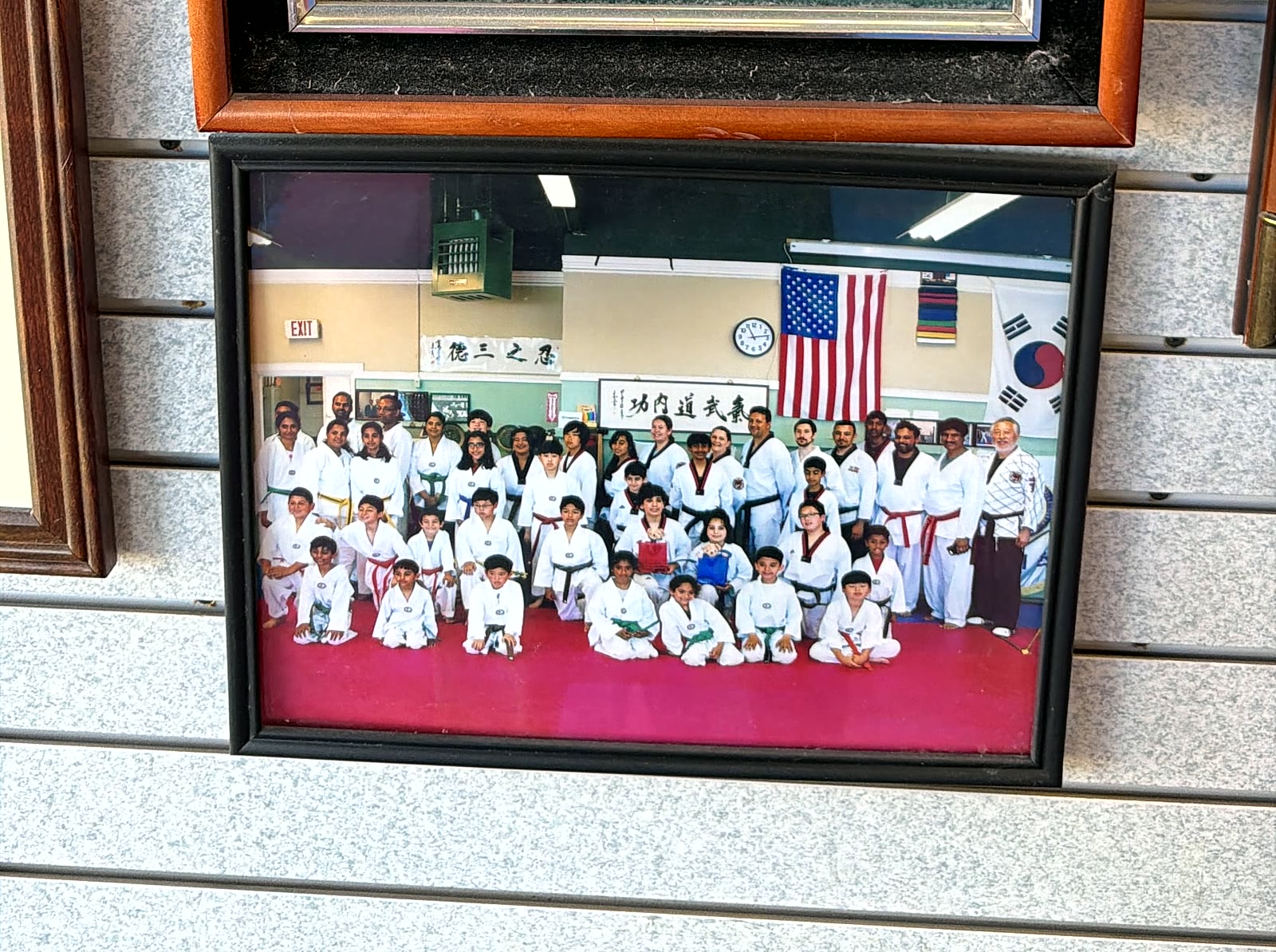
As the school year begins, families often look for activities that fit naturally alongside learning, family time, and everyday responsibilities. Back-to-school martial arts in Santa Clara can be a purposeful choice when the academy offers clear instruction, respectful training, and a path that matches the student’s goals. The best starting point is not a promise of instant change. It is a thoughtful conversation about what the student wants to learn.
A first visit can help you compare disciplines, understand the training environment, and decide whether the academy feels like the right fit. Use the process to ask good questions and set realistic expectations from the beginning.
Start with the student’s purpose
Before visiting an academy, discuss why martial arts is appealing. The goal may be learning a Korean martial art, building a consistent practice, exploring self-defence, or preparing for competition. A student may simply want to try something new and understand how training works.
There is no single correct reason to begin. A clear purpose helps you ask better questions. It also makes it easier to notice whether an academy explains its lessons in a way that feels relevant and understandable.
Compare the disciplines carefully
KIMOO Martial Arts offers Hapkido, Taekwondo, self-defence, and competition training in Santa Clara, California. These options can support different interests, so ask how each path is taught and what a new student will focus on first. Avoid choosing based only on a name, a uniform, or an assumption about what every school teaches.
A useful introduction should explain the role of technique, control, practice, and feedback. If the student is interested in more than one area, ask how the academy can help them understand the differences before making a longer-term choice.
Look for a respectful training culture
The training atmosphere matters as much as the lesson description. During a visit, observe whether students listen to instructors, treat partners with care, and remain attentive while others practise. Notice how mistakes are corrected. A premium learning environment can be welcoming while still maintaining clear standards.
Respect should be visible in small details. Students should understand that martial arts is not a licence to show off or use techniques carelessly. They are learning skills that require patience, responsibility, and good judgment.
Ask how progress is explained
Families deserve a clear explanation of how students develop. Ask how instructors introduce fundamentals, offer corrections, and describe the next step. If the academy uses a rank system, ask what each stage represents and how readiness is assessed. Do not assume that every school uses the same process.
The answer should help a student understand that progress comes from learning and practice. It should not depend on invented guarantees, pressure, or unclear promises. A realistic path can be motivating because it gives the student something specific to work toward.
Build a routine that can last
The right routine is one the family can approach consistently. Before enrolling, discuss how training will fit alongside schoolwork, rest, and other commitments. Ask the academy for its current programme details directly rather than relying on general assumptions or outdated online information.
At home, support the habit without turning every practice into a test. A student can prepare by organising belongings, remembering questions for the instructor, and reflecting on what they learned. Encouragement works best when it recognises effort, attention, and responsible behaviour as well as technical improvement.
Use a trial class to make an informed choice
A free trial class can answer questions that a web page cannot. The student can experience the instruction, listen to explanations, and notice how the class feels. A parent or adult participant can ask about goals, safety, and the best way to begin.
Come prepared to observe rather than compare a student with someone else. One first visit cannot show an entire learning journey, but it can reveal whether the academy communicates clearly and treats people with respect.
Consider the academy’s background
An instructor’s experience is useful context when evaluating a martial arts academy. Grand Master Jong Yeon Hwang trained at the Korea Hapkido Headquarters Dojang from 1971 and holds 8th Dan Hapkido. He won Gold at the 10th Wushu World Cup in Milan in 2005. He received the President’s Volunteer Service Award, a White House honor, in 2023. KIMOO received Santa Clara District 2 Business of the Year in 2019.
These are verified parts of KIMOO’s background. During a visit, ask how that experience informs the academy’s approach to instruction and student development.
Prepare questions before you visit
Write down the most important questions in advance. Ask what a new student learns first, how instructors give feedback, how partners are expected to behave, and which programme best matches the student’s purpose. If you are considering competition training or self-defence, ask how the academy describes that path.
A calm conversation helps the whole family make a considered decision. Choose the environment where the teaching, culture, and goals make sense for the student you have in front of you.
Frequently asked questions
Is martial arts a good back-to-school activity?
It can be a purposeful activity for someone who wants to learn a discipline, practise consistently, or explore self-defence or competition training. The best choice depends on the student’s interests and the academy’s fit.
Which martial art should a beginner choose?
Start with the student’s purpose and ask an instructor to explain the available paths. KIMOO offers Hapkido, Taekwondo, self-defence, and competition training in Santa Clara.
What should a family look for during a trial class?
Notice the clarity of instruction, respect between partners, safety expectations, and how corrections are delivered. Ask questions about the training path before deciding.
How can a student balance martial arts with school?
Discuss the routine as a family and ask the academy for current programme details. Support consistent preparation while protecting time for schoolwork, rest, and other responsibilities.
Should a student already be fit before starting?
A student does not need to arrive with a particular background. Ask the instructor how beginners are introduced to the fundamentals and what responsible participation involves.
What questions should parents ask an academy?
Ask about the discipline, first lessons, feedback, partner conduct, safety, and how progress is explained. Also ask whether a free trial class is available. Begin the school year with purposeful instruction at KIMOO Martial Arts in Santa Clara. Book a free trial class, or call (408) 243-1001.
Train with a champion
Book your free trial class at KIMOO Martial Arts in Santa Clara and train under a World Cup gold medalist.
Keep reading