Martial Arts Reaction Time Training: A Smarter Way to Practise
August 11, 20266 min readKIMOO Martial Arts
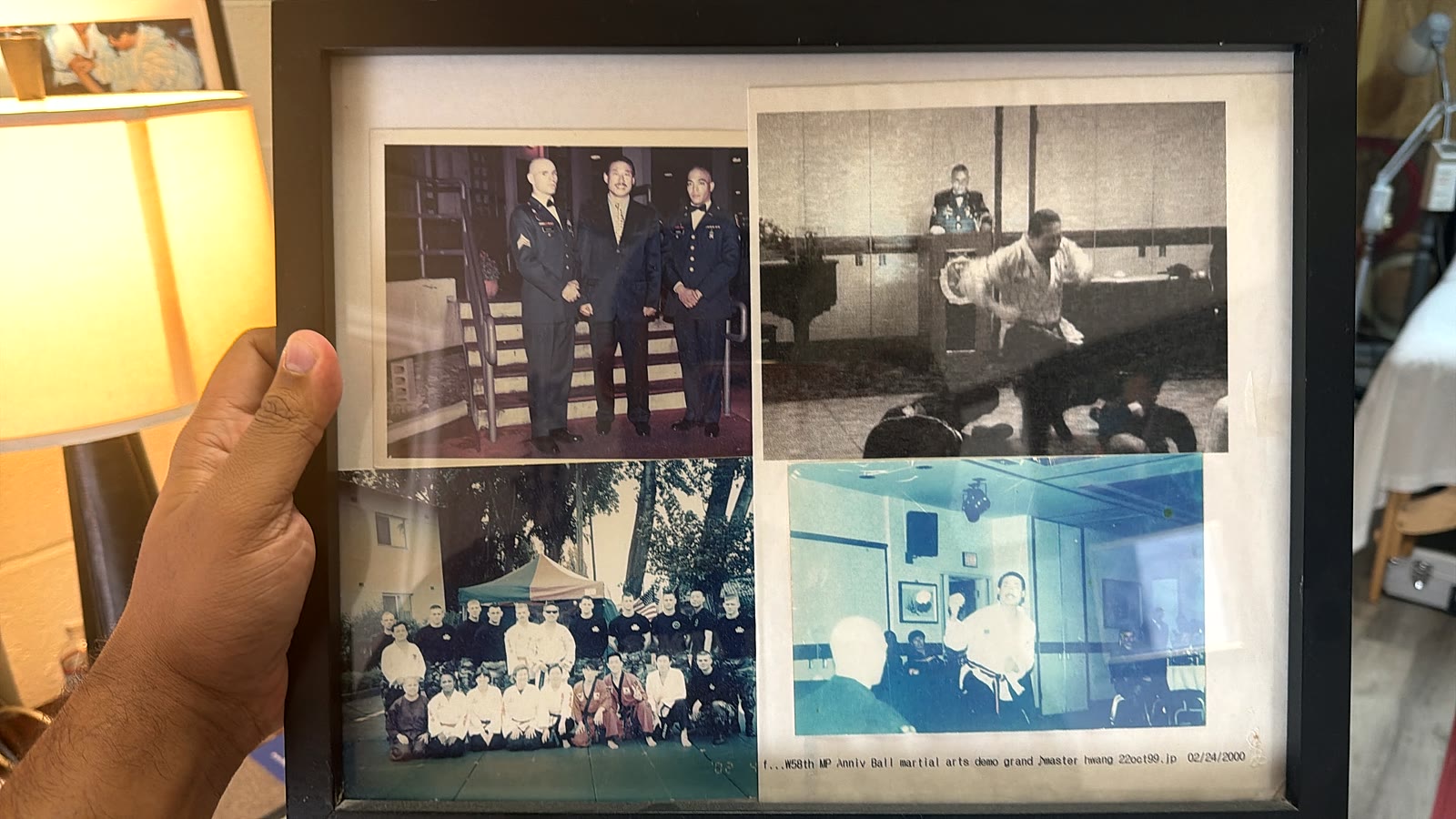
Martial arts demonstration and coordination practice at KIMOO

Martial arts reaction time training is often described as a speed challenge, but fast movement is only one part of the skill. A useful response begins with noticing a cue, deciding what it means, and moving with control. Training those steps in the right order can make practice more purposeful for beginners and experienced martial artists alike. The goal is not to react wildly. It is to build a calm, repeatable process.

Understand what reaction time really involves

Reaction time is the interval between a cue and the beginning of a response. In martial arts, the cue could be a partner's movement, a change in distance, a coach's instruction, or a visual target. Decision-making matters because the student must interpret the cue before choosing a footwork pattern, guard position, defensive action, or other response.

This is why a student who moves quickly is not always reacting effectively. If the response is poorly timed, unbalanced, or uncontrolled, more speed can create more problems. Strong training develops awareness, selection, and execution together.

Start by identifying the skill a drill is meant to develop. If the goal is visual awareness, keep the movement simple. If the goal is footwork, reduce the number of choices. Clear objectives make it easier to learn from each repetition.

Build a stable base before adding speed

Reaction work begins with posture and balance. Keep your feet arranged so you can move without crossing awkwardly or leaning beyond your base. Maintain a comfortable guard and relaxed shoulders. A stable position lets you see, decide, and move without first having to recover from unnecessary tension.

Practise a simple step in several directions at a slow pace. Return to a balanced position after each movement. Notice whether your feet arrive under you, whether your weight shifts smoothly, and whether you can keep your attention on the cue. Only increase speed when the pattern remains controlled.

Footwork is not separate from reaction time. It gives your response a path. That is why many modern training conversations pair reaction drills with footwork, coordination, and decision-making rather than treating speed as an isolated quality.

Progress from predictable to variable cues

A beginner needs enough predictability to understand the movement. Start with a known cue and one possible response. For example, an instructor might call a direction, show a target, or give a clear visual signal. The student responds with a previously practised step and then resets.

Once the basics are comfortable, introduce limited variation. Change the direction, the timing, or the available response, but not everything at once. A gradual progression keeps the mind engaged while preserving technical quality.

A useful sequence is:

1. Practise the movement without a cue. 2. Add one predictable cue. 3. Add a choice between two controlled responses. 4. Vary the timing while keeping the movement simple. 5. Review the result and refine the weakest part.

The instructor should decide when to progress. Difficulty is valuable when it reveals a skill to improve, not when it turns practice into confusion.

Train the eyes, feet, and decision together

Reaction drills are more effective when the student watches meaningful information rather than chasing random motion. Keep your eyes on the relevant area and avoid staring at one hand or foot. Notice distance, posture, direction, and rhythm. Then make the smallest appropriate movement for the drill.

Partner work should begin with clear boundaries. Agree on the speed, range, and contact level. Use a reset when either partner loses balance, misses the cue, or needs clarification. Control is a sign of progress because it keeps both people able to learn.

For solo practice, use an instructor-approved visual or audio cue and keep the response simple. A direction change, stance adjustment, or footwork pattern can be enough. Do not turn a home drill into unsupervised high-impact training.

Avoid the most common reaction-training mistakes

The first mistake is chasing maximum speed before learning the pattern. This often produces short steps, lifted shoulders, and a loss of balance. Slow the drill down and keep the finish position stable.

The second mistake is guessing the cue. Anticipation can look fast, but it does not build reliable awareness. Wait until the signal is clear, then respond.

The third mistake is doing too many repetitions without reflection. Pause occasionally and ask what happened. Did you see the cue? Did you choose the correct response? Did your feet stay organised? Did tension change your breathing? A short review can make the next repetition more useful.

The fourth mistake is treating reaction time as a guarantee of safety. Martial arts training is educational practice, not a promise about real-world outcomes. Self-defence should also include awareness, de-escalation, creating distance, and leaving unsafe situations when possible.

Connect drills to your martial art

KIMOO Martial Arts in Santa Clara offers Hapkido, Taekwondo, self-defence, and competition training. Reaction work can look different in each setting, so ask the instructor how awareness, footwork, timing, and control fit the discipline you are studying.

KIMOO is led by Grand Master Jong Yeon Hwang, who trained at the Korea Hapkido Headquarters Dojang from 1971 and holds 8th Dan Hapkido. He won Gold at the 10th Wushu World Cup in Milan in 2005. Those verified credentials provide context for learning under experienced martial arts leadership, while your own progress comes from attentive practice.

Frequently asked questions

Can beginners practise reaction time drills?

Yes, when the drill is simplified and supervised appropriately. Begin with one cue and one controlled response, then progress only when you can maintain balance and understand the task.

Does faster movement always mean better reaction time?

No. A good response begins with noticing and choosing, then moving with control. Speed without balance, timing, or accuracy is not the same as effective reaction practice.

Can I train reaction time alone at home?

You can practise simple, low-risk footwork or direction responses if an instructor has explained them. Avoid unsupervised contact, high-impact drills, or exercises that make you dizzy or unsafe.

How often should reaction drills be practised?

Quality matters more than an arbitrary number of sessions. Follow the instructor's guidance, stop when technique deteriorates, and allow appropriate rest between demanding efforts.

Are reaction drills useful for competition training?

They can support awareness, timing, decision-making, and footwork when integrated into a structured programme. Competition preparation should be guided by an instructor who understands the relevant rules and goals. Want to sharpen your awareness through disciplined practice? Book a free trial class at KIMOO Martial Arts in Santa Clara, or call (408) 243-1001.

Train with a champion

Book your free trial class at KIMOO Martial Arts in Santa Clara and train under a World Cup gold medalist.

Women's Taekwondo Classes in Santa Clara: What to Ask→Taekwondo Terminology for Beginners: Common Korean Class Words→Taekwondo Sport Anxiety Study: What Recent Injury Research Says→Multi-Style Martial Arts Classes in Santa Clara: A Choosing Guide→What to Wear to a Martial Arts Class in Santa Clara: Trial Guide→Poomsae vs Kyorugi: How Taekwondo Competition Formats Differ→Non-Contact Martial Arts Classes in Santa Clara: Questions to Ask→K41 vs K44 Para Taekwondo: How Classification Shapes Competition→Martial Arts Classes for Parents and Teens in Santa Clara: What to Ask→Hapkido vs Aikido: Key Differences and How to Compare Training→Taekwondo Change-of-Direction Testing: What a 2026 Review Found→Martial Arts Classes for Focus in Santa Clara: Questions to Ask→Martial Arts School Culture in Santa Clara: What to Look For→Kids World Open Taekwondo Championships 2026: What to Know→Self-Defence or Competition Training in Santa Clara: How to Choose→Martial Arts Practice at Home: A Focused Guide to Solo Training→World Taekwondo Grand Prix Paris 2026: Dates and Format→Martial Arts Classes for Introverts in Santa Clara: A First-Visit Guide→Martial Arts and Nonviolence: Training with Restraint→Changing Martial Arts Schools in Santa Clara: Questions to Ask→Martial Arts Flexibility Training: Build Range with Control→Accessible Martial Arts Classes in Santa Clara: What to Ask→Martial Arts Membership in Santa Clara: Questions Before You Join→Martial Arts and Bullying Prevention: A Responsible Guide for Families→Martial Arts Gear in Santa Clara: What to Ask Before You Buy→Hydration for Martial Arts Training: A Practical Guide→De-escalation and Self-Defence Training in Santa Clara: What to Ask→Martial Arts Training Journal: A Simple Post-Class Guide→Poomsae vs Kyorugi: Two Taekwondo Competition Formats→Martial Arts Class Size in Santa Clara: What to Ask→Virtual Taekwondo at Asian Games 2026: How It Works→Hapkido Instructor in Santa Clara: What Credentials Can Tell You→Martial Arts Training Plateau: How to Find a Productive Next Step→Hapkido Self-Defence in Santa Clara: Questions to Ask Before You Choose→Taekwondo at LA 2028: Events, Classes, and What to Know→Adult Taekwondo Classes in Santa Clara: How to Choose→Martial Arts and Cognitive Engagement: What Recent Research Says→Martial Arts Classes for Caregivers in Santa Clara: What to Consider→Open-Skill Martial Arts Training: Why Adaptability Matters→Martial Arts Classes for Teachers in Santa Clara: A Thoughtful Guide→Representative Martial Arts Training: A Practical Guide→Martial Arts Classes for Shift Workers in Santa Clara: What to Ask→Travel Safety Martial Arts Classes in Santa Clara: What to Ask→External Focus in Martial Arts Training: A Practical Guide→Kids Martial Arts Classes in Santa Clara: A Parent's Guide→Guided Discovery in Martial Arts Training: A Practical Guide→Martial Arts Resilience Training: Build a Steadier Practice→Martial Arts for Personal Safety in Santa Clara: What to Ask→Deliberate Practice in Martial Arts: A Smarter Way to Train→Adult Hapkido Training in Santa Clara: What to Ask→Private Martial Arts Lessons in Santa Clara: Questions to Ask→Ecological Dynamics in Martial Arts Training: A Practical Guide→Martial Arts Interoception: Learn to Notice Your Body→Martial Arts Classes for New Residents in Santa Clara→Martial Arts Social Connection: How Shared Practice Works→Martial Arts Classes for Seniors in Santa Clara: What to Ask→Martial Arts Classes for Parents in Santa Clara: A Practical Guide→Martial Arts Breakfall Training: Why Safe Falling Matters→Martial Arts Classes for Adults Returning to Exercise in Santa Clara→Embodied Martial Arts Training: Learn Through Movement→Martial Arts Prehab: A Smarter Way to Prepare for Training→How to Choose Martial Arts Classes for Runners in Santa Clara→Martial Arts Video Analysis: Use Recording with Purpose→How to Choose Martial Arts Classes for Tech Professionals in Santa Clara→Martial Arts Coaching Feedback: How to Improve with Purpose→How to Choose Martial Arts Classes for College Students in Santa Clara→Martial Arts Warm-Up Drills for Focused, Safer Practice→How to Choose Martial Arts Classes for Couples in Santa Clara→How to Choose Taekwondo Competition Training in Santa Clara→Augmented Reality Martial Arts Training: What Students Should Know→Martial Arts Peripheral Vision Training: A Practical Guide→How to Compare a Martial Arts Class Schedule in Santa Clara→How to Choose Self-Defence Classes for Beginners in Santa Clara→Martial Arts Distance Management: Train Position with Purpose→Martial Arts Training Load Management: Train with Purpose→How to Choose Martial Arts Classes Near Me in Santa Clara→Strength Training for Martial Artists: A Balanced Guide→How to Choose Martial Arts Classes Near Santa Clara→Martial Arts Training Apps: A Smart Guide for Students→How to Choose a Martial Arts Instructor in Santa Clara→Martial Arts Rhythm Training: Build Better Timing→Martial Arts Class Cost in Santa Clara: Questions to Ask→Martial Arts Skill Retention: How to Remember What You Learn→Back-to-School Martial Arts in Santa Clara: A Family Guide→Wearable Technology for Martial Arts: A Smart Training Guide→Martial Arts Belt Testing in Santa Clara: What to Ask→How to Choose Martial Arts Classes After Work in Santa Clara→Gamification in Martial Arts Training: Use Play with Purpose→Martial Arts Classes for Stress Relief in Santa Clara: How to Choose→AI Martial Arts Training in 2026: What Technology Can Do→Martial Arts Coordination Classes in Santa Clara: What to Look For→Constraint-Led Martial Arts Training: A Practical Introduction→Slow Martial Arts Practice: Why Precision Comes First→Martial Arts Training Goals in Santa Clara: Find Your Fit→Self-Defence Training for Commuters in Santa Clara→Martial Arts Situational Awareness: A Practical Training Guide→Martial Arts Decision-Making Under Pressure: Train the Process→Your First Martial Arts Class in Santa Clara: A Simple Guide→Martial Arts Footwork Training: Build Better Movement Habits→Martial Arts Classes for Teens in Santa Clara: A Parent's Guide→Martial Arts Training Recovery: A Smarter Way to Practise→Adult Martial Arts Training in Santa Clara: How to Choose Well→Martial Arts School Comparison in Santa Clara: A Practical Guide→Martial Arts Motor Learning: How Skills Become More Precise→Martial Arts Proprioception Training for Better Body Awareness→How to Choose a Korean Martial Arts Academy in Santa Clara→Martial Arts Self-Regulation: Train Attention with Purpose→How to Choose Martial Arts for Confidence in Santa Clara→Choosing Taekwondo Self-Defence Training in Santa Clara→Martial Arts Goal Setting for More Purposeful Training→How to Choose Taekwondo Fitness Training in Santa Clara→Martial Arts Mental Rehearsal for More Focused Practice→How to Choose Martial Arts for Fitness in Santa Clara→Martial Arts Cross-Training: How to Combine Skills with Purpose→How to Choose Women's Self-Defence Classes in Santa Clara→Martial Arts Injury Prevention: Safer, Smarter Training Habits→Martial Arts Etiquette for Beginners: A Practical Guide→Family Martial Arts in Santa Clara: How to Choose a Dojo→How to Choose a Martial Arts Trial Class in Santa Clara→Martial Arts Partner Drills: How to Train with Purpose→Martial Arts Forms Training: How to Practise with Purpose→Hapkido Classes in Santa Clara: A Guide for New Students→What to Look for in Taekwondo Classes in Santa Clara→Martial Arts Breathing Techniques for Better Training→How to Find Beginner Martial Arts Training in Santa Clara→Martial Arts Mobility and Balance Training for Everyday Movement→How to Choose Competition Martial Arts Training in Santa Clara→How Martial Arts Builds Focus and Discipline→How to Choose Adult Self-Defence Classes in Santa Clara→Hapkido vs Taekwondo: Which Martial Art Is Right for You?→How to Choose the Best Martial Arts Dojo in Santa Clara→