Choosing a Dojo
Martial Arts Classes for Veterans in Santa Clara: What to Ask
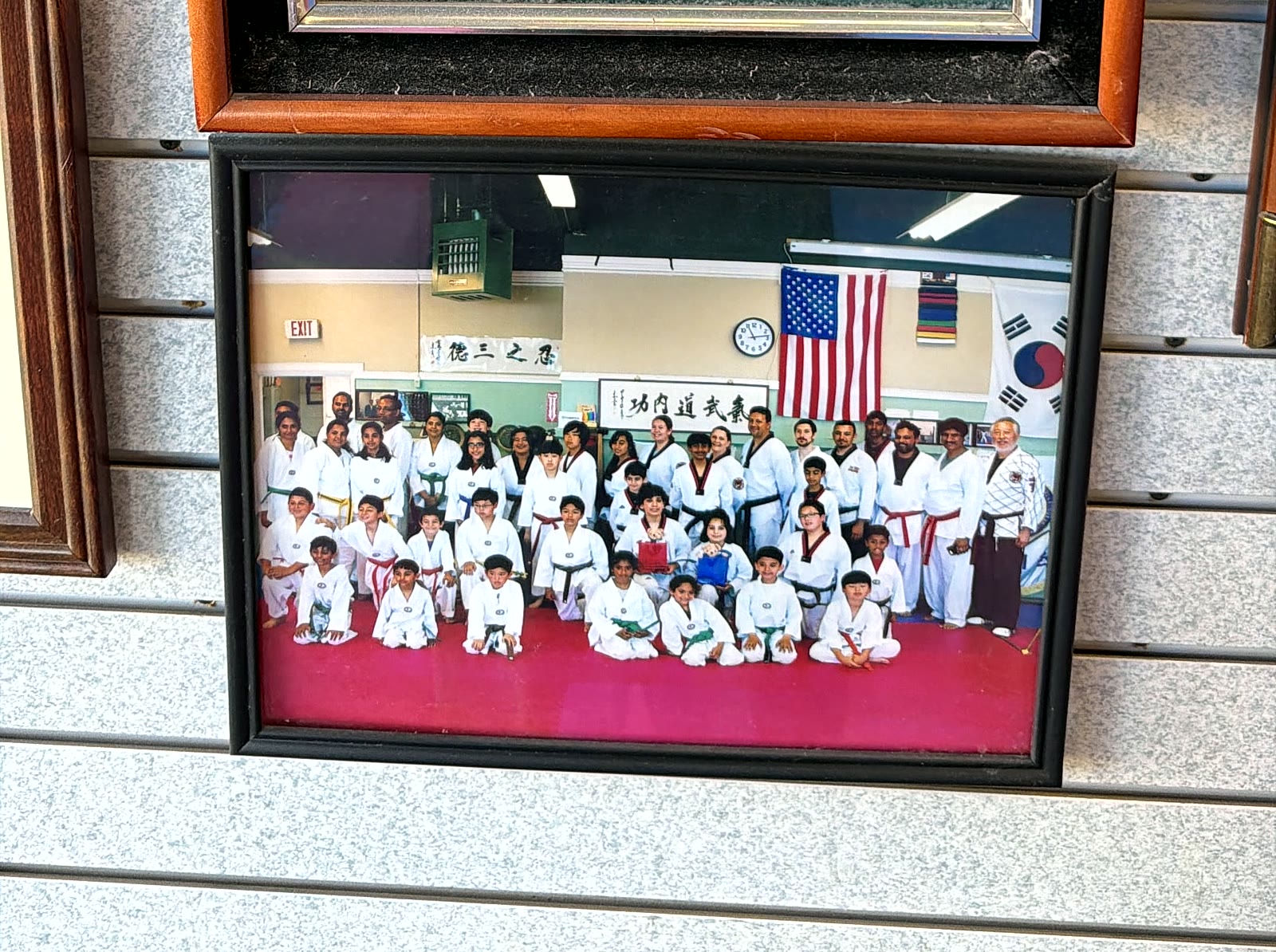
Veterans considering martial arts classes in Santa Clara deserve clear answers about what a program includes and whether it matches their own interests. There is no single profile or goal shared by everyone who has served, so the best starting point is a personal one: what would you like to learn, and what information would help you feel ready to visit? This guide offers questions to use when comparing programs, without assuming a particular background, age, or training experience.
Begin with your own reasons for exploring
People approach martial arts for different reasons. You may be curious about Hapkido or Taekwondo, interested in self-defence training, or considering competition training. You may also simply want to explore a new discipline. Being clear about your interest can help a school explain its programs without making assumptions about why you served or what you want from training.
Before reaching out, make a short list of what matters to you. For example, you might want to understand the class format, learn what an introductory visit involves, or ask how the academy explains its different disciplines. You can share only the context that feels relevant. A prospective student should be able to ask straightforward questions about a program without disclosing personal history that is not necessary to the conversation.
Ask what each program involves
KIMOO Martial Arts is located in Santa Clara, California. Its verified offerings are Hapkido, Taekwondo, self-defence, and competition training. If you are interested in one of these, ask the academy for current details about what that particular program includes. Do not assume that every discipline follows the same format or emphasizes the same training goals.
Useful questions include: What does a first visit involve? What should a new student expect to practise? Is there partner work, and how is it introduced? How can a prospective student learn more about a discipline before deciding? These questions are relevant for any adult comparing a martial arts school, whether or not they have practiced before.
Look for clear, respectful communication
When you contact a school, notice whether your questions receive clear answers. You might ask who to speak with about a first visit, what information the academy needs from you, and how students can raise a concern or request clarification during training. You do not need a school to promise a particular outcome; you need enough accurate information to make an informed choice.
If you have preferences about communication or participation, you can ask how to discuss them before attending. Be specific about what would help you understand the class or feel comfortable taking part. A school can explain its current approach, and you can decide whether that answer suits you. Do not presume that any academy has a veteran-specific group or accommodation unless the academy confirms it directly.
Consider health and participation questions thoughtfully
A prospective student's comfort, health, and training history are individual. If you have an injury, a health condition, or a question about whether a particular activity is appropriate for you, consult a qualified health professional. A martial arts school can explain what its training involves, but should not be treated as a substitute for medical advice.
You can also ask the academy what a beginner should know before a first session, and whether you may observe or participate. Confirm any details directly rather than relying on assumptions or another student's account. The decision about whether to start, pause, or choose another activity should be based on your circumstances and reliable information.
Verify practical details before you go
Before making a visit, confirm the current class options, times, and any instructions for prospective students. Do not rely on outdated listings or assume a particular day or schedule. Ask what to wear or bring, whom to contact when you arrive, and whether the visit is intended for observation, participation, or both.
A free trial class can be a useful way to learn more, but make sure you understand what the invitation covers before you attend. Use the visit to evaluate the information you have gathered: does the discipline match your interest, were your questions answered, and do you understand the next step if you want to continue? Take the time you need to decide.
Frequently asked questions
Does KIMOO offer a veterans-only martial arts class?
The academy's verified offerings are Hapkido, Taekwondo, self-defence, and competition training. No veterans-only program is specified here, so contact KIMOO directly to ask about current options rather than assuming one is available.
Do I need prior martial arts experience?
Ask the academy how a prospective student with your experience level can visit and what the first session involves. Do not assume a specific class format without confirming it.
What should I ask before booking a trial class?
Confirm what the visit includes, whether you may observe or participate, what to wear or bring, and how to reach the academy with questions.
Should I disclose my service history when contacting a school?
Share only what feels relevant to your questions or preferences. You can ask about programs and class details without providing personal information that is not needed.
Who can advise me about an injury or health concern?
Consult a qualified health professional for medical questions. Ask the academy to describe its training so you and your health professional can consider the activity in context. To explore your options, book a free trial class at KIMOO Martial Arts in Santa Clara or call (408) 243-1001.
Train with a champion
Book your free trial class at KIMOO Martial Arts in Santa Clara and train under a World Cup gold medalist.
Keep reading