Choosing a Dojo
Martial Arts School Culture in Santa Clara: What to Look For
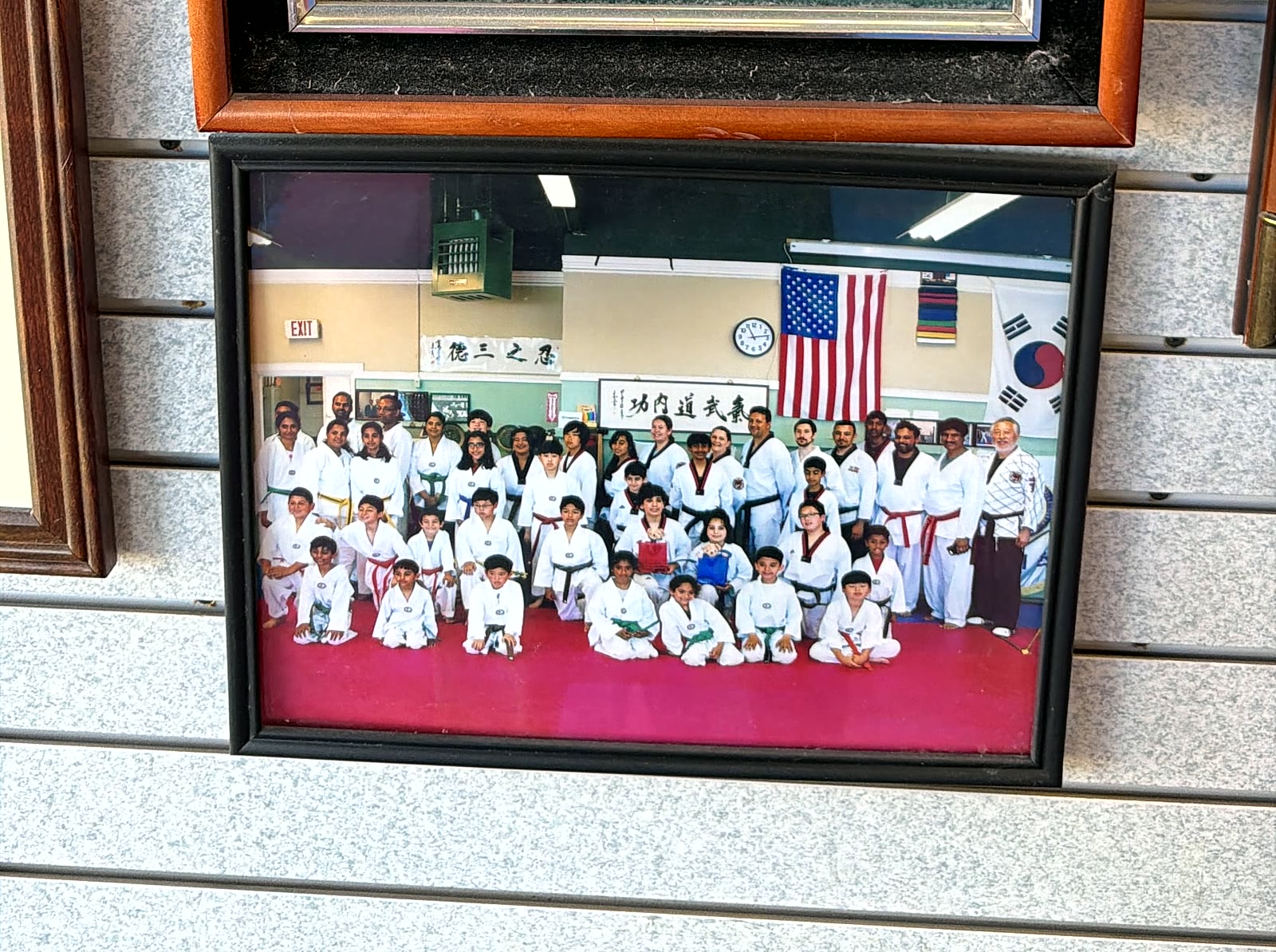
A martial arts school can look appealing on a website, yet you may still wonder what day-to-day learning there feels like. Looking beyond the name of a style can help you make a more thoughtful choice. If you are exploring martial arts school culture in Santa Clara, use a visit or conversation to learn how the school communicates, explains expectations, and answers questions.
Decide what matters to you
Before comparing schools, identify the qualities you hope to find. You might value clear explanations, the chance to ask questions, a respectful approach to partner work, or a focus that matches your personal training goals. There is no single checklist that fits everyone. A short list of your priorities gives you a useful way to judge whether a school's stated approach fits what you are seeking.
Separate what you know from what you still need to ask. A website may describe the disciplines offered, but it may not explain how an instructor introduces an unfamiliar activity or handles student questions. Rather than guessing from marketing language, ask for a concrete explanation of what a new visitor can expect.
Notice how the school communicates
From your first inquiry, pay attention to whether answers are clear and relevant to your questions. If you ask what a program teaches, does the explanation describe its purpose without making promises that no school can guarantee? Can you ask about the class format and receive an answer that distinguishes confirmed details from information that needs checking?
Good communication is not about having every answer in advance. It is about being able to understand the information you receive and ask for clarification. If a term is unfamiliar, ask the instructor to explain it in plain language. If you still have questions after a conversation, write them down and return to them before making a decision.
Ask about feedback and learning expectations
The way an instructor explains feedback can tell you something about the learning environment. Ask how students are guided when they are learning an unfamiliar movement, and how they can ask for a demonstration or clarification. You can also ask what the instructor expects students to do when they are unsure of an instruction.
These questions do not assume that every class follows the same format. They help you understand the approach at the school you are considering. During a visit, notice whether the instructor's explanation feels understandable to you. Avoid judging a school on a single moment; instead, compare what you observe with the priorities you identified beforehand.
Discuss partner work and personal boundaries
If a program includes partner activities, ask how the school introduces those activities and how students can raise a concern or request clarification. Ask whether a visitor will be observing or participating during a trial class, rather than assuming one format. Clear expectations can help you decide whether you are comfortable with the way an activity is presented.
Do not feel that you must participate in an exercise before you understand what it involves. You can ask what a movement is meant to teach, whether there is an alternative way to take part, and who to speak with if you are uncomfortable. The school's response gives you information about its communication process, not a guarantee about every future class.
Use a visit to check for fit
When you arrange a visit, ask what to wear or bring, whether you can watch, and what the trial class includes. Afterward, consider whether you received useful answers, whether expectations were explained, and whether the program still seems aligned with your goals. A trial is an opportunity to gather information; confirm any next steps directly.
It may help to make brief notes immediately after your conversation or visit. Write what seemed clear, what you want to confirm, and what would make the decision easier. If you compare more than one school, use the same questions for each. That way, you can base your choice on the information you collected instead of trying to remember broad impressions.
Match the school to your goals
A school's culture should be considered alongside its actual programs. Ask whether the current offering addresses the reason you are looking for martial arts training, and what the academy recommends as a next step. At KIMOO Martial Arts in Santa Clara, California, the verified offerings include Hapkido, Taekwondo, self-defence, and competition training. Contact the academy directly to confirm details about a particular program or class visit.
Frequently asked questions
What does martial arts school culture mean?
It refers to the school's stated expectations and the way it communicates about learning, questions, instruction, and participation. Ask about the specific practices that matter to you instead of relying on a broad label.
How can I assess a school's culture before enrolling?
Contact the school with questions about its programs, class expectations, feedback, and trial visits. If you attend, compare what you observe with your own priorities and follow up on anything that remains unclear.
What questions should I ask about partner work?
Ask how activities are introduced, whether visitors observe or take part, and how to raise a concern or request clarification. Confirm the class format directly rather than assuming it.
Is a trial class a commitment to join?
A trial class can help you gather information. Ask the academy what the visit includes and decide afterward whether you want to take another step.
Where can I explore martial arts programs in Santa Clara?
KIMOO Martial Arts is located in Santa Clara, California, and offers Hapkido, Taekwondo, self-defence, and competition training. Contact the academy to ask about current program details. If you are comparing martial arts school culture in Santa Clara, book a free trial class at KIMOO Martial Arts to ask your questions, or call (408) 243-1001.
Train with a champion
Book your free trial class at KIMOO Martial Arts in Santa Clara and train under a World Cup gold medalist.
Keep reading