Training Tips
Martial Arts Situational Awareness: A Practical Training Guide
Martial arts situational awareness is a skill of attention. It means noticing relevant changes in your surroundings, understanding your position, and making a deliberate choice instead of moving on autopilot. In a responsible academy, awareness is not taught as alarm or suspicion. It is practised as calm observation connected to clear action.
Whether your interest is Hapkido, Taekwondo, self-defence, or competition training, situational awareness can give technical practice a useful context. The aim is not to predict every event. The aim is to notice what matters, communicate clearly, and respond within the boundaries of a controlled exercise.
Define what you are trying to notice
Awareness becomes easier to train when the cue is specific. During a drill, the cue might be a change in distance, a partner’s direction, a shift in posture, or an instructor’s signal. Outside the training space, it may be an unfamiliar change in surroundings or an opportunity to move toward other people and ask for help.
Avoid trying to monitor everything at once. Select one relevant detail and describe it in simple language. What changed? Where is it? Is it part of the exercise? This habit can make your attention more purposeful and gives an instructor something concrete to coach.
Use distance as information
Distance is not just a measurement. It tells you how much time and space are available for a movement, a verbal boundary, or a reset. In class, practise noticing whether you are balanced and whether you can move without colliding with a partner or another student.
A useful drill should make the reason for changing distance clear. The instructor can vary the pace or direction gradually, but students should understand the boundaries of the task. If you lose track of the exercise, stop and ask for a slower explanation. Control is more important than speed.
Pair awareness with communication
Situational awareness includes listening and speaking. Partners should know the exercise, agree on a manageable pace, and communicate when they need to pause. A brief, clear signal can prevent confusion from becoming a poor repetition.
The same principle applies to personal safety. A confident verbal boundary may be useful, and seeking help can be a responsible choice. Training should not imply that physical action is always necessary or appropriate. Awareness includes recognising when disengagement is the better option.
Build attention through controlled variation
A predictable drill can introduce a movement. A carefully varied drill can ask you to identify a cue and make a choice. Variation should be introduced with care. Change one element at a time, such as timing or direction, so you can explain what you saw and why you responded.
This is not a test of how much uncertainty you can tolerate. It is a learning progression. An instructor should be able to reduce the pace, clarify the goal, or return to a simpler version. Responsible pressure creates useful information without turning practice into chaos.
Keep awareness grounded in safety
No awareness exercise can guarantee protection in real life. A training scenario has rules, partners, and an instructor. Real situations do not. Keep that distinction visible when you reflect on what you learned.
Within class, follow the academy’s instructions and tell the instructor about pain, confusion, or discomfort. Do not add unsupervised contact or intensity to a drill. Technical progress depends on consistency, and consistency depends on practice that is controlled enough to repeat thoughtfully.
Review your decisions after practice
A short review can turn awareness into a repeatable habit. Ask yourself:
- What cue did I notice first?
- What did I assume, and what did I actually observe?
- Was my distance and balance appropriate for the drill?
- Did I communicate clearly with my partner?
- What single adjustment should I try next time?
Keep the review factual rather than critical. If you missed a cue, identify why. Perhaps you were watching the wrong area, moved before understanding the instruction, or became focused on finishing rather than learning. A specific observation leads to a specific improvement.
Learn in a tradition with clear standards
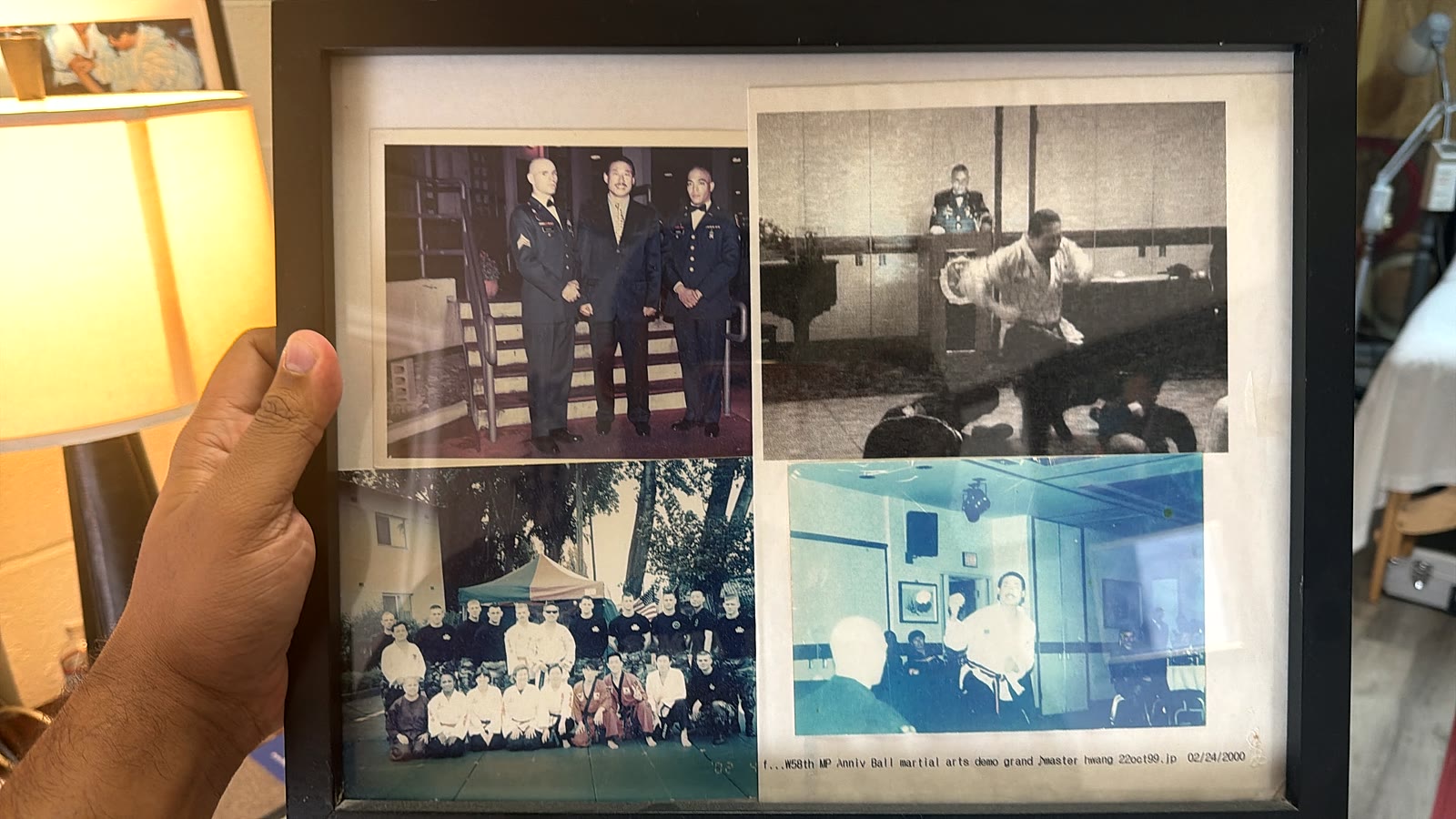
KIMOO Martial Arts is located in Santa Clara, California and offers Hapkido, Taekwondo, self-defence, and competition training. Grand Master Jong Yeon Hwang trained at the Korea Hapkido Headquarters Dojang from 1971 and holds 8th Dan Hapkido.
Grand Master Hwang won Gold at the 10th Wushu World Cup in Milan in 2005 and received the President’s Volunteer Service Award, a White House honor, in 2023. KIMOO received Santa Clara District 2 Business of the Year in 2019. These verified facts provide background, while your own questions and observations should guide your choice of training.
Frequently asked questions
What is martial arts situational awareness?
It is the practice of noticing relevant information, understanding position and distance, communicating, and making a deliberate choice. It is an element of training, not a guarantee of a particular outcome.
Can situational awareness prevent every confrontation?
No. Awareness cannot control another person or remove all uncertainty. It can help you notice options such as creating distance, seeking help, or leaving when appropriate.
How can a beginner practise awareness?
Start with one clear cue in an instructor-led drill. Notice the cue, follow the agreed response, communicate with your partner, and review what happened afterward.
Why does distance matter in training?
Distance affects balance, timing, available space, and the ability to reset. Practising distance helps you understand your position rather than moving without reference to your surroundings.
Should drills feel unpredictable?
Some carefully controlled variation can develop observation and decision-making, but drills should remain understandable and safe. Ask the instructor to slow or simplify an exercise when necessary.
Is physical technique always the best response?
No. A responsible self-defence mindset considers communication, creating distance, seeking help, and leaving. Physical action should not be treated as automatic or guaranteed. Train your attention with purpose at KIMOO. Book a free trial class at KIMOO Martial Arts in Santa Clara, or call (408) 243-1001.
Train with a champion
Book your free trial class at KIMOO Martial Arts in Santa Clara and train under a World Cup gold medalist.
Keep reading