Training Tips
Martial Arts Training Recovery: A Smarter Way to Practise
Martial arts training recovery is not an interruption to serious practice. It is the part of practice that helps you return with attention, control, and respect for your body. Recovery can include how you pace a session, how you cool down, how you sleep and hydrate, and how honestly you communicate when something feels unclear.
The aim is not to create a rigid routine or make promises about results. It is to build habits that support consistent learning. Whether you study Hapkido, Taekwondo, self-defence, or competition training, thoughtful recovery allows you to protect the quality of your next technical session.
Distinguish effort from useful effort
A demanding class can be valuable, but fatigue can change how you move and pay attention. When tiredness causes you to lose posture, rush a technique, or miss a partner's cue, adding intensity may no longer improve the drill. The better choice may be to slow down, reset, or ask for guidance.
During training, periodically check three things: Is my technique still controlled? Am I understanding the instruction? Am I communicating clearly with my partner? If the answer to any of these is no, treat that information as part of your training rather than something to hide.
Pacing is not the same as avoiding challenge. It means placing technical quality before the appearance of effort.
Build a simple post-class transition
When a session ends, give yourself a few minutes to transition out of training. Walk calmly, take controlled breaths, and allow your attention to settle. If your instructor has provided a cool-down or mobility sequence, follow that guidance instead of improvising something aggressive.
Hydration is another basic part of the transition. Drink water according to your own needs and the conditions around your training. There is no single amount that suits every person or session. If you have a health concern, ask a qualified healthcare professional for personal advice.
A short transition can also protect your mindset. Note one technique that became clearer and one question you want to revisit. This turns the end of class into a bridge toward the next practice.
Use mobility with a clear purpose
Mobility work should support comfortable movement, not become a competition. Choose gentle, controlled movements that relate to the positions you are learning. Avoid forcing a range of motion or bouncing into a stretch, especially when your body is not prepared.
Ask your instructor which mobility habits fit your training. The useful question is not “How far can I go?” but “Can I move into this position with awareness and control?” A smaller range performed carefully can be more appropriate than a larger range that creates tension or uncertainty.
If a movement produces sharp pain, stop and seek appropriate professional advice. Do not try to train through a symptom simply to appear committed.
Plan rest as part of consistency
Rest gives you time away from technical demands. It can be a full break from training or a lighter day based on your instructor's guidance and your individual circumstances. The right choice depends on factors such as your experience, other activities, sleep, and how you feel.
Avoid treating rest as a reward you must earn. It is a normal part of managing practice. A schedule that repeatedly leaves you unable to focus is a sign to review your pace and speak with your instructor.
You can still stay connected to your goals on a rest day by reviewing notes, visualising a sequence you already know, or reflecting on a question. Keep that review calm and do not turn it into an unsupervised attempt at a technique you have not been taught.
Communicate early and precisely
Recovery includes communication with instructors and training partners. If you are unusually tired, uncertain about a drill, or uncomfortable with a movement, say so clearly. A partner cannot respond to information they do not have.
Use specific language. Explain whether you need a slower pace, a technical reset, clarification, or a pause. Respect the same signals from others. A disciplined training culture makes room for honest communication because the purpose is learning, not pretending that every session feels identical.
Self-defence and competition training especially benefit from this habit. Controlled practice depends on people understanding boundaries and responding when the conditions change.
Learn from established martial arts leadership
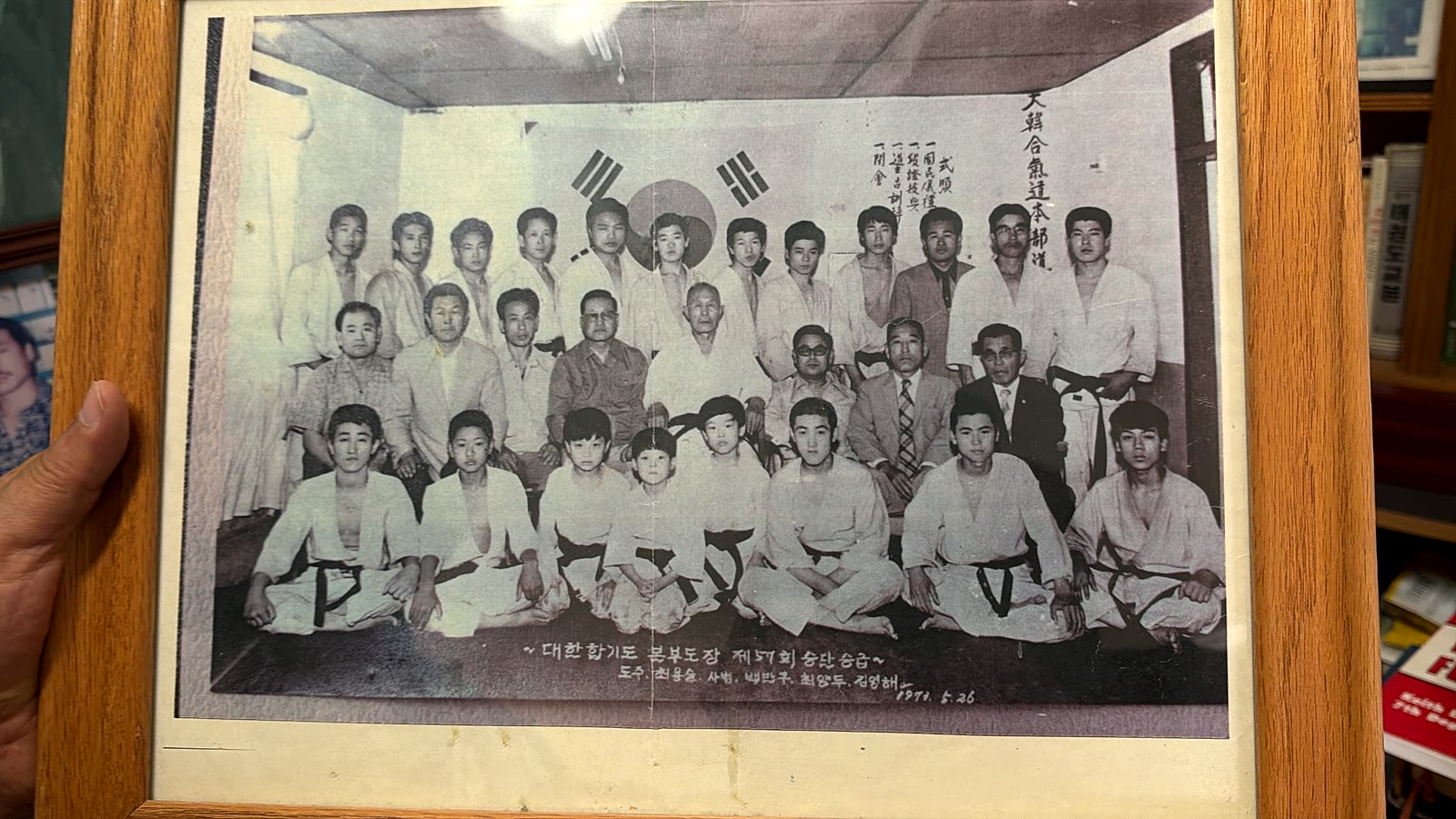
Recovery habits belong within a wider culture of disciplined instruction. KIMOO Martial Arts is located in Santa Clara, California and offers Hapkido, Taekwondo, self-defence, and competition training. Grand Master Jong Yeon Hwang trained at the Korea Hapkido Headquarters Dojang from 1971 and holds 8th Dan Hapkido.
He won Gold at the 10th Wushu World Cup in Milan in 2005. Grand Master Hwang also received the President's Volunteer Service Award, a White House honor, in 2023. These verified facts provide context for KIMOO's leadership, while your daily habits determine how thoughtfully you approach each session.
Frequently asked questions
What does recovery mean in martial arts?
Recovery includes the habits that help you return to practice with attention and control. It may involve pacing, hydration, mobility, rest, reflection, and communicating clearly about how you feel.
Should I train when I am very tired?
If fatigue affects your technique, awareness, or communication, slow down and tell your instructor. They can help you decide how to participate safely and productively.
Is stretching always necessary after class?
Not every person needs the same routine. Follow your instructor's guidance, use gentle controlled mobility, and avoid forcing a range of motion. Seek professional advice for persistent or concerning symptoms.
How can I recover after partner training?
Transition calmly, hydrate according to your needs, note any questions, and communicate with your instructor about anything unclear or uncomfortable. Do not ignore a symptom to continue training.
Does rest mean I am losing progress?
Rest is a normal part of consistent practice. It gives you time to recover and reflect so that your next session can remain focused and technically controlled.
Can recovery guarantee better performance?
No. Recovery habits can support a thoughtful approach to training, but they cannot guarantee a particular performance or result. Individual circumstances and instruction matter. Build a more thoughtful training routine with expert guidance. Book a free trial class at KIMOO Martial Arts in Santa Clara, or call (408) 243-1001.
Train with a champion
Book your free trial class at KIMOO Martial Arts in Santa Clara and train under a World Cup gold medalist.
Keep reading