Choosing a Dojo
Martial Arts School Comparison in Santa Clara: A Practical Guide
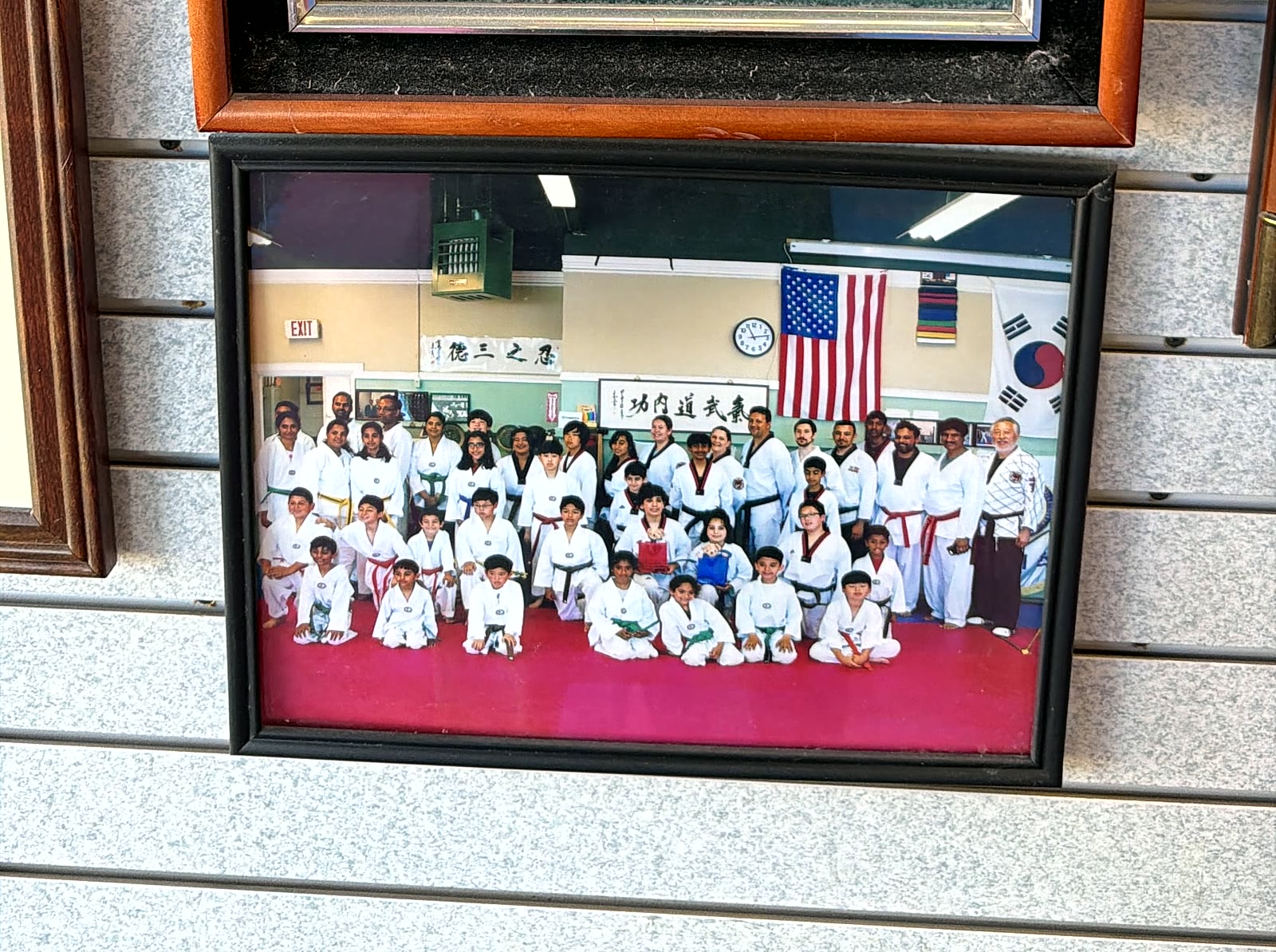
A martial arts school comparison in Santa Clara should help you make a confident decision, not leave you sorting through vague promises. Every academy has its own approach to teaching, so compare the details that shape your experience: the disciplines offered, the instructor's background, the quality of explanations, and the way training is kept controlled. A first visit is an opportunity to gather information and decide whether the environment feels right for your goals.
You may be exploring Hapkido, Taekwondo, self-defence, or competition training. Begin by defining what you want from practice, then use the same questions at each academy you consider. A clear framework turns a search into a meaningful conversation.
Define your reason for training
Before comparing schools, write down the outcome you want from your training. You might want to study a Korean martial art, develop a foundation in movement, learn self-defence principles, or prepare for competition. You may also want a disciplined activity that gives you a regular technical challenge.
Your goal does not need to be permanent. It simply gives the first conversation direction. Ask an instructor how the school approaches your chosen purpose and which discipline is the most natural place to begin. A thoughtful answer should explain the training emphasis rather than claim that one style is perfect for everyone.
Compare the disciplines, not only the school names
A school name tells you very little by itself. Look at what students can study and how those options differ. Hapkido, Taekwondo, self-defence, and competition training can each involve different emphases, even when they share fundamental skills such as balance, timing, coordination, and controlled movement.
KIMOO Martial Arts offers Hapkido, Taekwondo, self-defence, and competition training in Santa Clara, California. If more than one option interests you, ask how the programs relate to one another and what kind of practice each one prioritises. This helps you choose based on fit instead of choosing from a list of unfamiliar names.
Investigate teaching quality
Credentials and history provide useful context, but instruction is what you experience every time you train. During a visit, notice whether the instructor demonstrates a technique clearly, explains its purpose, and provides a correction you can apply. Good teaching makes complex movement easier to understand without lowering standards.
Pay attention to how questions are handled. A premium learning environment should welcome sincere questions and give precise answers. Corrections should be direct and respectful. Since repetition is central to martial arts, the quality of feedback matters as much as the first demonstration.
You can also ask how students are expected to develop control before adding speed or intensity. Progress should be connected to understanding, not simply to doing more repetitions.
Make safety part of your comparison
Safety is not a separate feature that appears only on a policy page. It should be visible in the way drills are introduced and supervised. Before partner work, students should know the purpose of the exercise, the expected pace, the contact level, and the signal to stop.
Observe whether training partners communicate and reset when a movement becomes unclear. In self-defence and competition practice, controlled preparation is especially important. Ask what a beginner should do if they are unsure about a drill. An instructor who can explain boundaries clearly is giving you valuable information about the academy's culture.
Avoid treating intensity as proof of quality. A safe, focused class can be demanding while still giving students enough clarity to learn.
Consider heritage and leadership
Martial arts heritage can deepen your understanding of a school when it is presented with specificity. KIMOO Grand Master Jong Yeon Hwang trained at the Korea Hapkido Headquarters Dojang from 1971 and holds 8th Dan Hapkido. He won Gold at the 10th Wushu World Cup in Milan in 2005.
KIMOO also received Santa Clara District 2 Business of the Year in 2019. Grand Master Hwang received the President's Volunteer Service Award, a White House honor, in 2023. These are verified academy facts that offer context for the school's leadership and community connection.
Honours should support your research, not replace it. Combine background information with what you observe in the classroom and what you learn through direct questions.
Use a trial class as a real test
A free trial class is more useful when you arrive with a short checklist. Consider asking:
- What should I focus on during an introductory session?
- Which discipline best matches my current goal?
- How are partner drills introduced and controlled?
- How does the instructor give feedback?
During the visit, notice whether instructions are understandable, whether the pace allows you to learn, and whether the atmosphere encourages respect. Do not judge the experience by whether every movement feels polished immediately. Judge it by the quality of the explanation and your ability to identify a sensible next step.
Afterward, write down what you learned while it is fresh. Comparing concrete observations is more reliable than comparing marketing language.
Frequently asked questions
What should I compare when visiting Santa Clara martial arts schools?
Compare the disciplines offered, instructor background, clarity of teaching, safety practices, and how well the training fits your goals. A trial class can help you evaluate those details directly.
Is one martial arts style best for everyone?
No. The right choice depends on what you want to study. Ask how Hapkido, Taekwondo, self-defence, or competition training connects to your purpose.
What is a useful question for a first visit?
Ask what a new student should focus on during the first class and how the instructor decides when to add complexity. The answer can reveal how clearly the academy structures learning.
Should I choose a school based only on awards?
Awards and honours are useful context, but they should be considered alongside teaching quality, safety, and fit. Your own experience in a class remains important.
Can a martial arts school guarantee results?
Be cautious of guarantees about outcomes, performance, or personal transformation. A responsible academy can provide instruction and a structured place to practise, while individual progress varies. Ready to compare your options in person? Book a free trial class at KIMOO Martial Arts in Santa Clara, or call (408) 243-1001.
Train with a champion
Book your free trial class at KIMOO Martial Arts in Santa Clara and train under a World Cup gold medalist.
Keep reading