Training Tips
Martial Arts Proprioception Training for Better Body Awareness
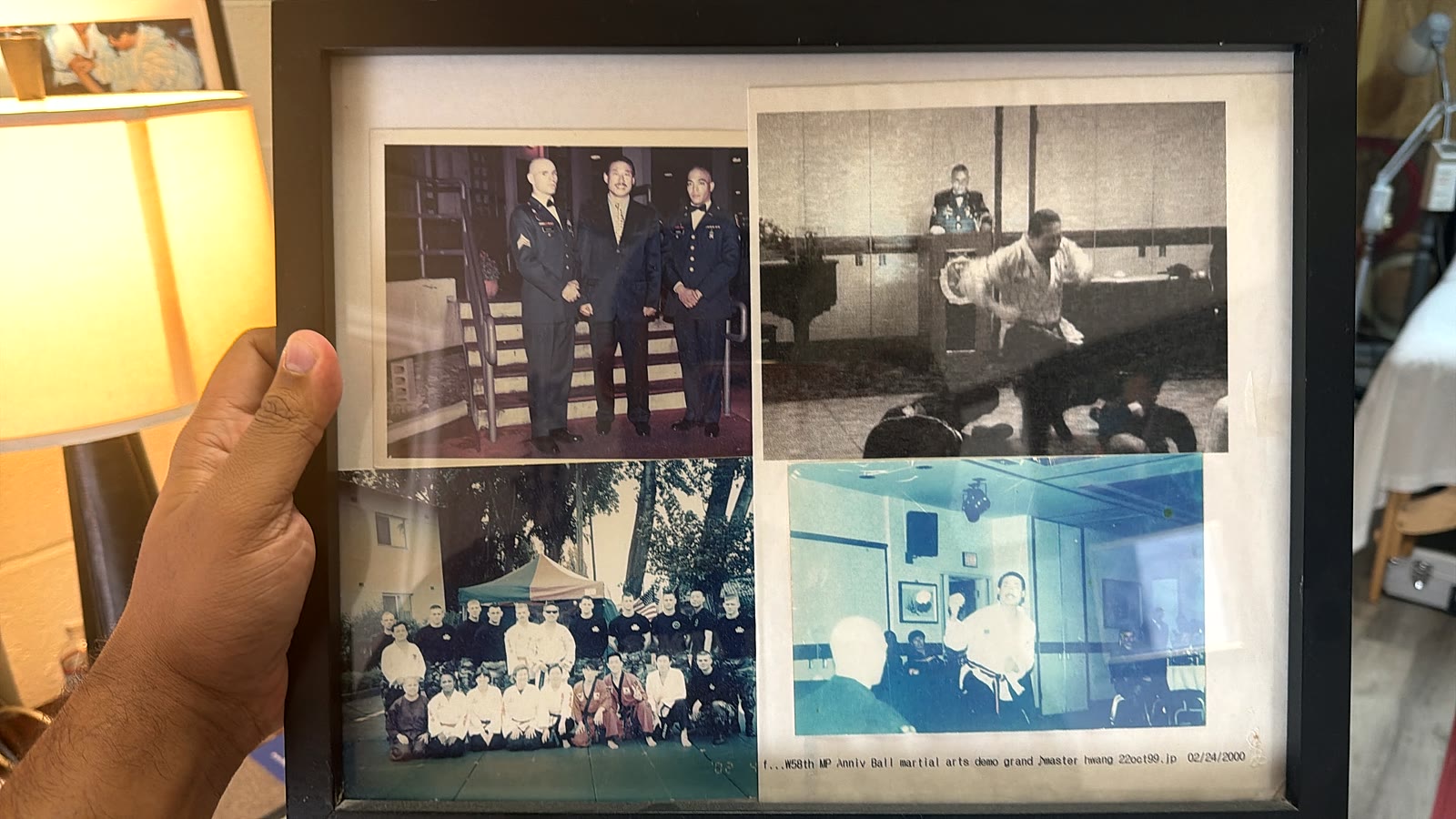
Martial arts proprioception training focuses on knowing where your body is in relation to the space around you. You use this awareness when you place your feet, shift your weight, hold posture, change direction, or coordinate your hands and eyes. It is not a mysterious talent. In a well-structured class, it can be explored through simple, controlled movements and careful attention to detail.
Understand the role of your base
Your feet give you information before your hands move. Notice where they are placed, how evenly your weight is distributed, and whether you can maintain a stable position while following an instruction. A balanced base does not mean standing rigidly. It means having enough control to move deliberately.
Begin with a comfortable stance and practise shifting weight without letting the upper body rush ahead. Keep the movement small. If you lose balance, return to the starting position and identify what changed. You may need to adjust foot placement, posture, or pace.
This kind of practice is useful because it gives you a clear reference point. You are not trying to perform a dramatic movement. You are learning to recognise alignment and control.
Use slow footwork to study space
Footwork connects your body to the floor and the space around you. Walk through a step, pivot, or change of direction slowly enough to feel when your weight transfers. Keep your eyes available for the instructor or partner instead of staring at your feet throughout the exercise.
A useful drill has a defined purpose. One exercise may focus on moving without crossing the feet. Another may ask you to maintain distance or return to a ready position. Ask which detail matters most before adding speed.
If your feet become confused, stop and reset. A pause gives you a chance to rebuild the pattern. It is usually more productive than repeating a mistake at a faster pace.
Connect posture with coordination
Body awareness includes more than balance. You can also observe the relationship between your spine, shoulders, hips, and hands. When the body works as a connected unit, a movement can feel more organised. When unnecessary tension appears, coordination may become less precise.
Try a simple check before a repetition. Are your shoulders relaxed enough to move? Is your head positioned so you can see? Are your hands following the instruction, or are they moving ahead of your base? These questions do not replace coaching, but they can help you listen to feedback with greater accuracy.
A partner or instructor may notice details that you cannot feel. Treat correction as information, not criticism. Make one adjustment and repeat the movement before changing several things at once.
Add a visual or tactile cue carefully
Some training drills use a visual object or a light tactile cue to help students pay attention to position and timing. A ball demonstration, for example, can make a movement path easier to observe. The object is not the goal. It is a way to give the mind a clear reference while the body learns coordination.
Keep the exercise simple enough to remain controlled. If the object causes you to lose posture or stop listening to instructions, return to the basic movement. A useful cue should sharpen attention, not create unnecessary complexity.
Ask your instructor how the drill connects to the discipline you are studying. This keeps a body-awareness exercise grounded in purposeful martial arts practice.
Practise partner drills with control
Partner training adds another layer of information. You need to notice your own position while responding to a cue, listening to another person, and respecting the agreed pace. Before starting, confirm the drill's purpose and the signal to pause.
Begin with predictable movement. Maintain enough space for both partners to move safely, and avoid adding speed without permission. If either partner loses the pattern, reset together. Clear communication protects the learning environment and gives you a better chance to study timing and distance.
In self-defence training, body awareness should support responsible choices. Awareness may include noticing surroundings, creating space, communicating clearly, and seeking safety. Training cannot guarantee how anyone will respond in every situation, so keep practice realistic and instruction-led.
Build a simple practice routine
You do not need an elaborate routine to study proprioception. At the start of training, choose one focus such as foot placement. During the main drill, add one related focus such as weight transfer. At the end, note what helped and what needs another explanation.
Consistency means returning to fundamentals with fresh attention. The same stance can reveal a different detail when your balance, breathing, or coordination changes.
Connect body awareness to KIMOO programs
KIMOO Martial Arts in Santa Clara offers Hapkido, Taekwondo, self-defence, and competition training. Proprioception can support the study of posture, footwork, timing, and controlled movement across these training contexts, but the emphasis will depend on the exercise and the instructor's guidance.
Grand Master Jong Yeon Hwang trained at the Korea Hapkido Headquarters Dojang from 1971 and holds 8th Dan Hapkido. He won Gold at the 10th Wushu World Cup in Milan in 2005. This verified background provides context for KIMOO's martial arts heritage. Your own progress should remain anchored in clear instruction and patient practice.
Frequently asked questions
What is proprioception in martial arts?
It is awareness of your body's position and movement in relation to the floor, your partner, and the surrounding space. It helps you notice balance, posture, weight transfer, and coordination.
Is proprioception the same as balance?
No. Balance is one part of body awareness. Proprioception also includes knowing where your limbs are, how your weight is moving, and how your body responds to a cue.
How can beginners practise safely?
Start with movements your instructor has taught, use a controlled pace, and keep the exercise simple. Ask for clarification when a drill is unclear, and stop when a safety concern appears.
Should I practise with my eyes closed?
Do not add that challenge unless your instructor specifically approves it and provides a safe setup. Visual information is important in many martial arts drills.
Can faster drills improve body awareness more quickly?
Not necessarily. Slow, accurate repetitions often make details easier to notice. Speed should be introduced only when the movement is understood and controlled.
Which KIMOO programs can include proprioception work?
KIMOO offers Hapkido, Taekwondo, self-defence, and competition training. Ask how body awareness and footwork fit the program and drill you want to study. Ready to develop more purposeful movement? Book a free trial class at KIMOO Martial Arts in Santa Clara, or call (408) 243-1001.
Train with a champion
Book your free trial class at KIMOO Martial Arts in Santa Clara and train under a World Cup gold medalist.
Keep reading