Self-Defence
Choosing Taekwondo Self-Defence Training in Santa Clara
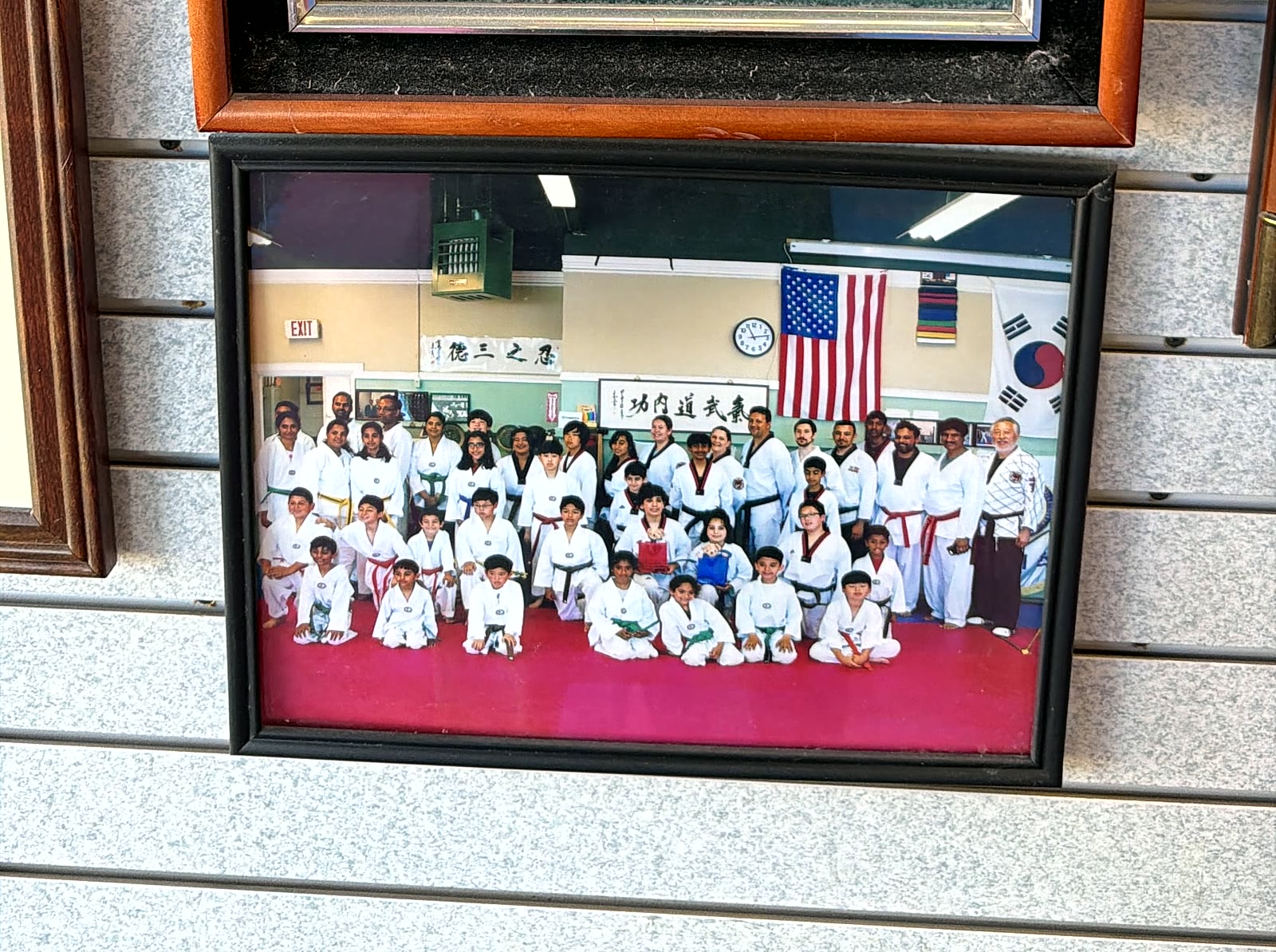
Choosing Taekwondo self-defence training in Santa Clara requires more than searching for a familiar name. Taekwondo and self-defence can be connected in a training plan, but they are not interchangeable labels. Before visiting an academy, clarify what you want to learn, then look for instruction that develops awareness, control, movement, and sound decision-making without exaggerated promises.
Separate the goals before comparing classes
Taekwondo is a martial art with its own technical language, movement patterns, and training priorities. Self-defence training focuses on recognising risk, making decisions, communicating clearly, creating space, and seeking safety. A class may include elements of both, but you should ask how each part is taught.
Start with a simple question: what would make training useful to you? You may want to study Taekwondo technique, explore practical self-defence principles, build confidence in controlled practice, or understand how different disciplines fit together. A clear answer helps you evaluate an academy based on its teaching rather than on a general marketing phrase.
KIMOO Martial Arts in Santa Clara offers Taekwondo, Hapkido, self-defence, and competition training. Ask the academy how it can help you understand the relationship between these areas.
Look for awareness before action
Responsible self-defence instruction does not begin with a dramatic technique. It begins with attention. You learn to notice your surroundings, identify an uncomfortable change, communicate a boundary, and consider whether leaving or getting help is the safest choice.
Ask how an academy discusses prevention and decision-making. The answer should leave room for judgment. No technique guarantees a particular result, and no training can predict every situation. A useful class teaches principles that can be examined and practised responsibly.
Taekwondo practice can add a disciplined movement context. Stance, distance, balance, controlled footwork, and the ability to reset can all be studied as technical skills. Their meaning in a self-defence scenario still depends on the situation, the instruction, and the decision to avoid unnecessary confrontation.
Evaluate control and communication
Self-defence practice should be structured so that people can learn without turning a drill into a contest. Before partner work begins, students should understand the purpose, the boundaries, the signal to pause, and how to reset. Good communication is part of the technique.
Watch for instructors who explain a movement before asking students to increase speed. Look for corrections that are specific and respectful. Students should be able to say when they do not understand an instruction or need to pause. This culture protects learning and helps everyone pay attention to detail.
Useful questions to ask include:
- How are self-defence drills introduced to someone new?
- How does the instructor explain awareness and de-escalation?
- What does controlled partner practice look like?
- How are Taekwondo skills distinguished from self-defence applications?
- How should a student communicate discomfort or confusion?
Clear answers give you better information than a promise of instant confidence or guaranteed protection.
Compare technical foundations
When observing Taekwondo instruction, notice whether the class develops fundamentals progressively. Stance, posture, balance, distance, timing, and controlled movement should be explained in a way that makes them easier to understand. A beginner does not need to perform every technique at full speed to benefit from a thoughtful foundation.
Ask what you should pay attention to first. You might work on keeping a stable base, returning to a ready position, or using your eyes and feet together. These details may feel simple, but they create a platform for more complex combinations and responsible practice.
Also ask how the academy decides when a student is ready for more demanding drills. A premium environment can be focused and challenging while still respecting individual limits and the purpose of each exercise.
Use a first visit as research
A free trial class is an opportunity to observe, participate, and ask questions. Before you attend, write down your goals. During the visit, notice how the instructor gives directions, how students communicate, and whether the class makes its boundaries clear.
Afterward, record what you learned. Did the class explain its objectives? Did you understand the difference between technical practice and self-defence scenarios? Did the instruction encourage careful decisions instead of dramatic claims? Your answers can help you make a grounded choice.
The best fit is not necessarily the loudest or most intense class. It is the environment in which you can learn accurately, practise safely, and keep asking useful questions.
Consider KIMOO's verified leadership
Grand Master Jong Yeon Hwang trained at the Korea Hapkido Headquarters Dojang from 1971 and holds 8th Dan Hapkido. He won Gold at the 10th Wushu World Cup in Milan in 2005. He received Santa Clara District 2 Business of the Year in 2019.
These facts provide verified context about KIMOO's martial arts heritage. They do not replace your own visit. Speak with the academy about the goals you have for Taekwondo and self-defence training in Santa Clara.
Frequently asked questions
Is Taekwondo the same as self-defence training?
No. Taekwondo is a martial art with its own technical focus, while self-defence includes awareness, decisions, communication, and safety priorities. Ask how an academy teaches each area.
Can Taekwondo support self-defence learning?
Taekwondo can develop movement skills such as balance, footwork, distance awareness, and control. Their application depends on context and qualified instruction, not on a guaranteed outcome.
What should I look for in a self-defence class?
Look for clear explanations, responsible partner drills, awareness and de-escalation guidance, respectful communication, and an instructor who avoids exaggerated promises.
Does KIMOO offer both Taekwondo and self-defence?
Yes. KIMOO Martial Arts offers Taekwondo and self-defence, along with Hapkido and competition training. Contact the academy to discuss your interests.
How can I choose among Santa Clara academies?
Compare the teaching method, class culture, technical foundations, safety boundaries, and how clearly the academy answers your questions. A first visit can help you evaluate the fit. Ready to explore purposeful training? Book a free trial class at KIMOO Martial Arts in Santa Clara, or call (408) 243-1001.
Train with a champion
Book your free trial class at KIMOO Martial Arts in Santa Clara and train under a World Cup gold medalist.
Keep reading