Adult Program
Returning to Martial Arts After Years Away
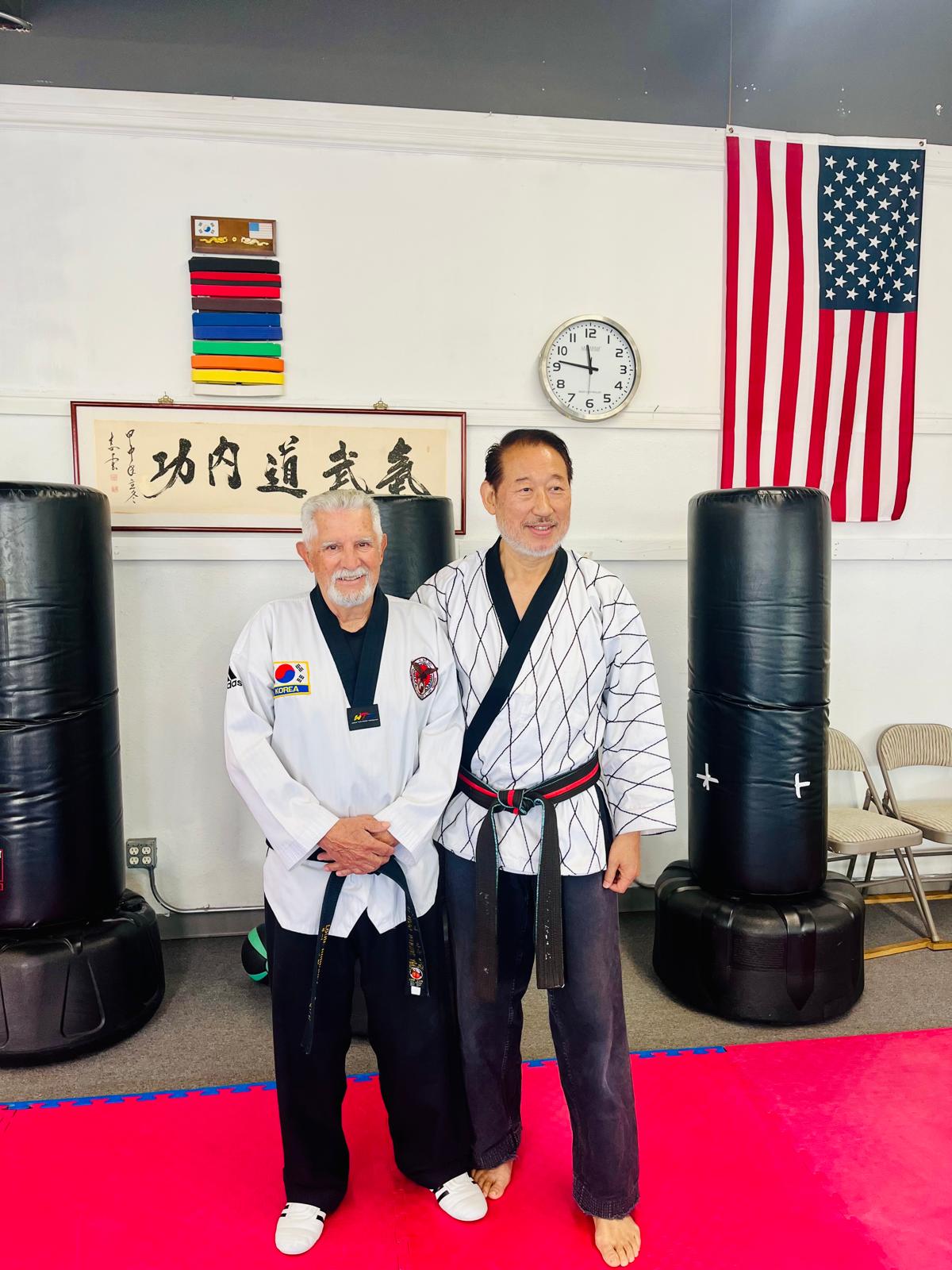
People who trained as teenagers and stopped often assume returning means starting from nothing, twenty years older and considerably stiffer.
The first part is wrong, and knowing why makes the decision easier.
What you keep
Motor skill that was well consolidated degrades slowly. This is the genuinely encouraging part, and it is not a platitude.
Skill learned to the point of automaticity — where you performed it without deliberating — is stored differently from information you memorised. It does not vanish on the schedule that facts do. People who trained for years and stopped routinely find that the first few sessions feel shaky and then something returns, faster than a true beginner could possibly acquire it.
What tends to come back quickly:
- Stance and structure. Your body remembers how to stand even when you do not
- The shape of techniques. The pattern is there; the sharpness is not
- Timing and distance, if you ever sparred. This is often the most surprising one
- Forms, in fragments. Frequently you will find your body knows the next movement before you do
- The etiquette. Bowing, lining up, how to behave in a dojang
The caveat: the depth of what you keep tracks how deeply it was learned. Five years of training as a teenager leaves a great deal. Eight months at age nine leaves very little, and you should expect to begin again.
What you lose
Honestly:
- Conditioning. Entirely, and fast. This is the real obstacle and it is not a skill problem
- Flexibility. Substantially, and it returns more slowly than it went
- Sharpness and speed. Recoverable, but it takes months rather than weeks
- Confidence under pressure. Sparring after a decade is disorienting even when the technique is intact
- Curriculum updates. Safety practices change, and some of what you were taught may have been superseded
The question everyone asks: do I keep my belt?
It depends on three things, and a good school will tell you straight.
Was your rank externally registered? A Kukkiwon-registered Taekwondo dan is a matter of record and does not expire. A belt issued in-house by a school that has since closed is much harder to carry forward — which is one of the practical reasons registration matters.
How long ago, and how deep? A registered black belt from twelve years ago is usually recognised, often with an expectation that you will train at a lower intensity until your conditioning returns. A green belt from twenty years ago is, realistically, a starting point rather than a rank.
What can you still demonstrate? This is what most schools actually go on. Rank describes what you could do; the instructor needs to see what you can do now.
The common and sensible arrangement: your rank is acknowledged, you wear the belt, and you train within your current capacity until the body catches up. Nobody expects a returning black belt to perform like one in week two.
If you are moving to a different school than the one you trained at, the considerations in the cost of switching schools apply.
What actually makes returning hard
Not the technique. Two other things.
The gap between what you remember and what you can do. You have a memory of yourself at nineteen, kicking at head height without warming up. That person is the comparison running in your head, and it is a demoralising one. The fix is to treat yourself as a new student with a head start — which is accurate — rather than a diminished version of your former self.
Walking back in. Most returning students say this was the obstacle, not the training. There is an awkwardness to being a beginner in a place you were once competent, and to explaining yourself to an instructor twenty years your junior.
It passes within about two sessions, and instructors genuinely like returning students — they already know how to behave in a class, they understand why repetition matters, and they do not need convincing that progress is slow.
How to come back sensibly
- Tell them your history and be honest about the gap. Including what you were never good at
- Start at twice a week, not four. Recovery is the constraint, particularly past forty. See starting at 40, 50 or 60
- Expect six weeks of being badly out of breath. It improves sharply after that
- Do not spar in the first month. Let the conditioning and reflexes return first
- Declare old injuries. Twenty years accumulates things. Anything surgical, anything that still complains
- Bring your documentation if you have it — certificates, registration numbers, dates
- Give it two months before judging. The first three sessions are the worst of it, and they are not representative
If you are coming back to a different art
Prior training transfers more than people expect, even across styles — body awareness, the habit of being corrected, tolerance for repetition, an understanding of how progress actually works.
If you trained Taekwondo and are considering Hapkido, or the reverse, the two are genuinely different in aim and your existing base will help in some areas and not others. We compared them in Taekwondo or Hapkido.
At KIMOO
KIMOO Martial Arts is at 2181 El Camino Real, Santa Clara, CA 95050. We take returning students regularly and we will give you a straight answer about your rank — what we can recognise, what we would want to see first, and what training would look like while you get your conditioning back.
Your first class is free, which is the lowest-stakes way to find out how much came back. Enrolling includes a uniform and white belt at no cost. Call (408) 243-1001 and tell us what you trained, where, and how long ago.
Frequently asked questions
Do I keep my belt if I return to martial arts after years away?
It depends on whether the rank was registered with a recognised governing body, how long ago it was, and what you can still demonstrate. An externally registered dan grade is a matter of record and usually recognised. An in-house belt from a closed school is much harder to carry forward.
How much martial arts skill do you lose over the years?
Less than most people expect. Skill learned to the point of automaticity degrades slowly, so stance, technique shape, timing and fragments of forms often return within a few sessions. What you lose quickly is conditioning and flexibility, which are fitness problems rather than skill problems.
How long does it take to get back to where I was?
Conditioning typically improves sharply after about six weeks. Sharpness and speed take months. The technique itself usually returns much faster than either, which is why returning students progress quicker than true beginners.
Should I start as a beginner again?
Usually you do not need to, if the rank was registered and you trained to a reasonable depth. The common arrangement is that your rank is acknowledged while you train within your current physical capacity until conditioning returns. Short childhood stints are a different matter and often mean starting fresh.
What is the hardest part of returning?
Most returning students say it is walking back in, not the training — the awkwardness of being a beginner where you were once competent. It generally passes within two sessions. The other difficulty is comparing yourself to your nineteen-year-old self rather than to a new student.
Should I spar straight away?
No. Give it at least a month. Conditioning and reflexes need to return first, and sparring after a long gap is disorienting even when technique is intact.
Where is KIMOO Martial Arts?
**2181 El Camino Real, Santa Clara, CA 95050.** Call **(408) 243-1001** and tell us what you trained and when — we will tell you honestly where you would start.
Train with a champion
Book your free trial class at KIMOO Martial Arts in Santa Clara and train under a World Cup gold medalist.
Keep reading