Competition
Your First Tournament: What Actually Happens on the Day
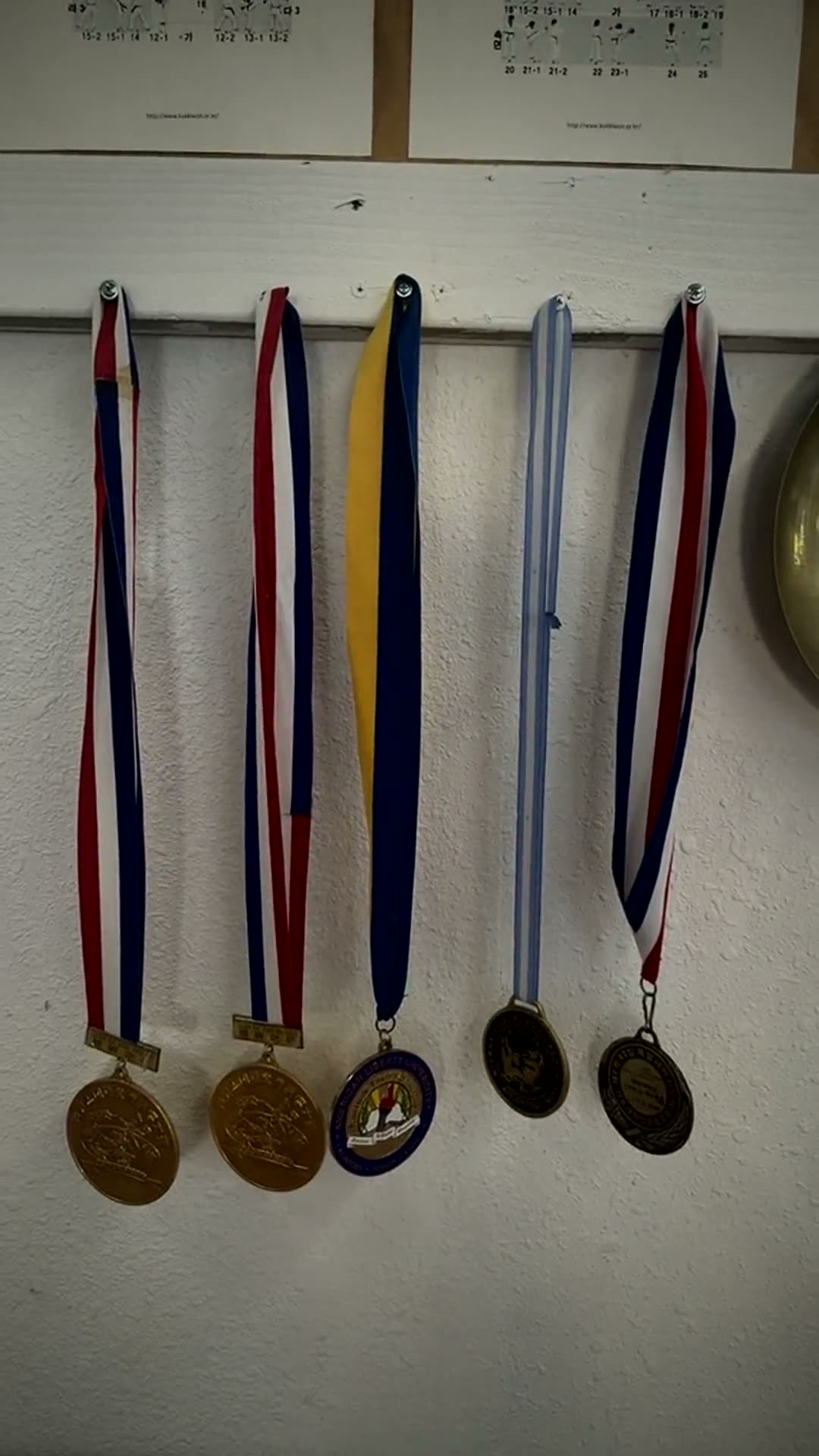
If your child has been invited to a first tournament, or you are considering one yourself, here is what the day is actually like — including the parts nobody mentions.
First: you do not have to
Competition is optional, and we say so consistently. Most students at most schools never enter a tournament, and that is a complete martial arts path rather than a lesser one.
There is also a concrete reason to decide deliberately rather than by default. Injury data shows competition carries substantially higher injury rates than training — in one clear comparison of adolescent karate athletes, roughly 106.6 injuries per 1,000 exposures in competition against 15.34 in training, about seven times higher.
That is not a reason to refuse. It is a reason to enter because someone wants to, not because it was assumed. We went through the decision in should my child compete, and the injury numbers in what the injury data shows.
What the day is actually like
It is mostly waiting. This is the single biggest gap between expectation and reality, and the thing to prepare for.
A typical structure:
- Early arrival, often very early, for registration and weigh-in if the division requires it
- Equipment check. Gear is inspected, and non-approved equipment gets rejected at the door — which is why you ask the school exactly what is required well beforehand
- Then waiting. Hours of it. Rings run behind, divisions get merged or split depending on numbers, and your scheduled time is an estimate
- A brief warm-up when your ring is close
- Competition. Forms divisions are usually short. Sparring matches are typically a few short rounds
- Then possibly more waiting for the next round or for medals
- Awards, often much later than anyone expects
The competing portion of a nine-hour day is frequently under ten minutes. Children find this harder than the competition itself.
What it costs
Worth budgeting honestly, because tournaments are a meaningful addition to the year:
- Entry fee, often per division, so forms and sparring may be charged separately
- Spectator admission in many events — sometimes for every family member
- Approved equipment, if your school's training gear does not meet the event standard. This is where people get caught: sanctioned events often require specific approved gear, which costs considerably more than basic sets. See equipment costs
- Travel, parking, food for a full day
- Possibly a hotel for anything beyond driving distance
Travel is consistently the largest expense in youth sport nationally, and tournaments are where martial arts acquires it. One local event is modest. A season of them is not, which is worth knowing before the first one sets a precedent.
What to bring
- Uniform, belt and all required gear — checked against the event's rules, not assumed
- Water and real food. Concession queues are long and the day is longer
- Something to do. A book, cards, a charged phone. The waiting is the event
- Warm layers. Competition venues are usually cold
- Your child's documentation if rank or age verification is required
- Patience with the schedule
Preparing a first-timer
Set the expectation about waiting. A child who expects to compete at 9am and competes at 3pm has had a bad day regardless of the result.
Keep the goal process-based. "Do your form the way you do it in class" is achievable. "Win" is not within their control, and a first tournament is very frequently a loss — most brackets send most entrants home without a medal, by arithmetic.
Walk the venue first. Noise, multiple rings, crowds. It is overwhelming on first encounter and much less so after ten minutes of looking around.
Do not add last-minute coaching. The morning of is too late to change anything, and it undermines confidence. Whatever they have is what they have.
Agree beforehand what success means. Decide it in advance, out loud: showing up, competing, finishing. That way the day is already successful before the result.
Afterwards
If it went well, be careful about what you attach to it. A win at a first tournament is pleasant; it is not evidence of a future, and treating it that way adds pressure to the next one.
If it went badly — and often it does — the useful response is specific and short. What went well, what to work on, done. Extended post-mortems after a loss are how children learn to dread competition.
Ask whether they want to do it again, and accept the answer. Some students discover they love it. Others discover they hate it, which is equally useful information and is not a failure. A student who tries one tournament and declines further ones has made a reasonable, informed decision.
Pressure at this point is also a known risk factor — 13 to 15 is the peak dropout window, and forcing competition on a wavering teenager is a common accelerant.
If you are the one competing as an adult
Much the same, with two additions. Adult divisions are often smaller, so you may face a wider range of ages and experience than expected. And the nerves are worse than you remember — performing under observation is a skill that degrades without practice, which is itself a decent argument for entering once.
At KIMOO
KIMOO Martial Arts is at 2181 El Camino Real, Santa Clara, CA 95050, and we train students for competition for those who want it — our senior instruction includes a gold medal at the 10th Wushu World Cup in Milan in 2005.
We will also tell you plainly when a student is not ready, or when competing is not the right choice for them. Competition here is opt-in, and most of our students never enter one.
Your first class is free, and enrolling includes a uniform and white belt at no cost. Call (408) 243-1001 to ask about competition training or simply about regular classes.
Frequently asked questions
What happens at a martial arts tournament?
Mostly waiting. A typical day involves early registration, equipment inspection, then hours of delay while rings run behind schedule, a brief warm-up, a short period of actual competition, and awards much later. The competing portion of a nine-hour day is often under ten minutes.
Is competing more dangerous than training?
Yes, measurably. In one clear comparison of adolescent karate athletes, competition carried about 106.6 injuries per 1,000 exposures against 15.34 in training — roughly seven times higher. That is a reason to enter deliberately rather than by default.
What does a tournament cost?
Entry fees, often charged per division, plus spectator admission for family members, approved equipment if your training gear does not meet event standards, and travel, parking and food for a full day. Sanctioned events frequently require specific approved gear costing considerably more than basic sets.
Does my child have to compete?
No. Most students at most schools never enter a tournament, and that is a complete path rather than a lesser one. At KIMOO competition is entirely opt-in.
How should I prepare a first-time competitor?
Set expectations about waiting, keep the goal process-based rather than result-based, walk the venue on arrival, avoid last-minute coaching, and agree in advance what counts as success — showing up and competing, rather than winning.
What if my child loses?
Expect it. Most entrants in most brackets go home without a medal by simple arithmetic. Keep the response short and specific: what went well, what to work on. Long post-mortems after a loss teach children to dread competing.
Where is KIMOO Martial Arts?
**2181 El Camino Real, Santa Clara, CA 95050.** Call **(408) 243-1001** about competition training or regular classes, and to book a free trial class.
Train with a champion
Book your free trial class at KIMOO Martial Arts in Santa Clara and train under a World Cup gold medalist.
Keep reading