Training Tips
Martial Arts Etiquette for Beginners: A Practical Guide
Martial arts etiquette for beginners is not a collection of mysterious rules. It is a practical system for making training safer, clearer, and more respectful. The habits you bring into a dojo affect how well you listen, how responsibly you practise, and how comfortable your training partners feel. Learning these habits early lets you focus on technique without wondering what is expected.
Etiquette can differ between academies and disciplines, so always follow the instructor's guidance. The principles below offer a useful starting point for anyone exploring Hapkido, Taekwondo, self-defence, or competition training at KIMOO Martial Arts in Santa Clara.
Arrive ready to learn
Preparation begins before the lesson. Contact the academy to ask what to wear, what to bring, and how to prepare for a first visit. Choose comfortable clothing that allows controlled movement, and make sure you can pay attention without managing unnecessary distractions.
Arrive with enough time to listen to instructions and observe the space. If you have an injury, pain, or physical limitation that may affect participation, tell the instructor before the class begins. Clear information helps the instructor offer appropriate guidance and helps you make responsible decisions about your participation.
You do not need to know every custom before your first class. Being attentive and willing to ask a respectful question is more useful than pretending to understand.
Listen before you move
A martial arts class depends on clear instruction. When a coach demonstrates a technique, watch the starting position, the direction of movement, the finish, and the reset. Avoid practising a different variation while the group is learning the assigned material.
If a direction is unclear, ask for clarification at an appropriate pause. A concise question can prevent confusion and keep a partner exercise safe. Good etiquette includes listening to the answer and applying the correction during the next repetition.
It is also respectful to avoid interrupting another student's individual correction. Keep your attention on your own practice until the instructor is available to help you.
Treat training partners with care
A partner is a collaborator in learning, not an opponent to defeat. Before a drill begins, make sure both people understand the roles, the pace, the contact level, and the point at which the exercise resets. Follow the instructor's directions instead of adding surprise movements or extra force.
Communicate if something feels unclear or uncomfortable. If your partner asks to slow down, pause, or repeat the explanation, respond without embarrassment. You should be ready to make the same request when you need it.
Control matters more than intensity during technical practice. A precise, calm repetition can teach more than an aggressive one. Respect for a partner is demonstrated through attention, restraint, and reliable communication.
Practise humility and focus
Beginners often compare themselves with people who have more experience. Etiquette gives you a better standard: listen carefully, practise the assigned detail, and accept correction without taking it personally. You are not expected to perform a movement perfectly on the first attempt.
Avoid giving unsolicited technical advice unless the instructor asks you to assist. A well-intended comment can confuse a new student or conflict with the lesson. If you notice a question, invite the person to ask the coach rather than presenting yourself as the authority.
Keep the tone of the room in mind. Concentration and warmth can coexist, but jokes or conversation should not prevent others from hearing instructions or completing a drill.
Respect the space and equipment
A training space is shared. Keep personal items in the place the academy indicates, keep walkways clear, and handle equipment according to instruction. Clean up after yourself and report damaged equipment rather than continuing to use it.
Follow the academy's practice around footwear, uniforms, and entering or leaving the training area. If you are unsure whether a custom applies, ask. Different disciplines and schools may use different conventions, so observation and respectful questions are the safest approach.
These small habits support a polished environment where students can focus on training.
Understand etiquette in self-defence and competition training
Self-defence practice requires particular restraint. A controlled drill is a learning exercise, not an invitation to test a partner's limits. Follow the stated sequence, stop when instructed, and remember that a single technique does not guarantee an outcome outside the dojo.
Competition training also benefits from good etiquette. Preparation can be demanding, but respect for training partners and instructors remains essential. Practise with purpose, receive feedback, and avoid treating every repetition as a contest.
KIMOO offers Hapkido, Taekwondo, self-defence, and competition training in Santa Clara. Ask the instructor how etiquette applies to the discipline and class you are exploring.
Let consistency build confidence
Etiquette becomes natural through repetition. Greet people courteously, listen when the instructor speaks, care for your partner, and reset calmly after a mistake. You do not need a dramatic display of confidence. Reliable habits show that you take the training seriously.
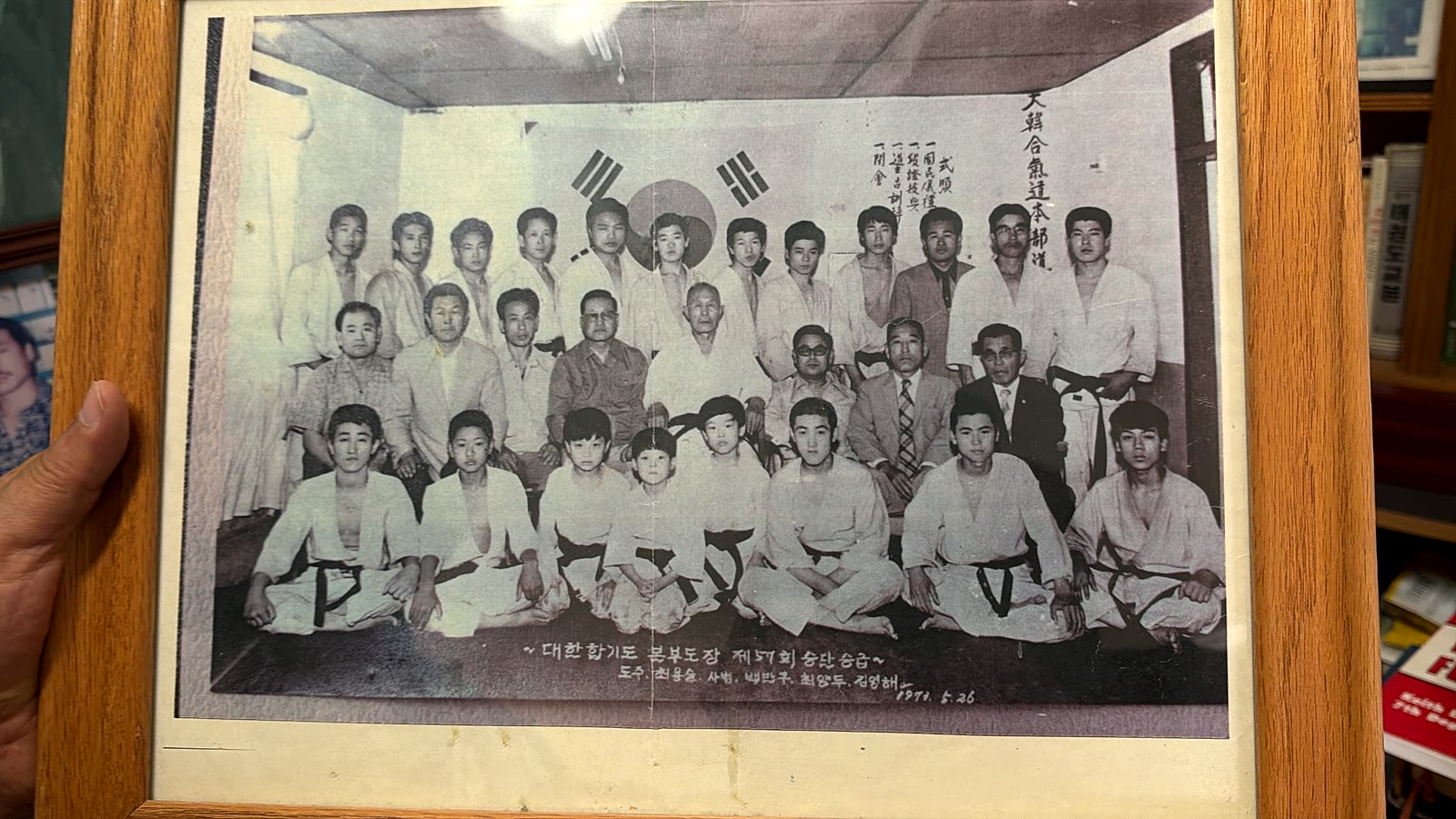
KIMOO is led by Grand Master Jong Yeon Hwang, who trained at the Korea Hapkido Headquarters Dojang from 1971 and holds 8th Dan Hapkido. He won Gold at the 10th Wushu World Cup in Milan in 2005. This verified history provides context for a disciplined approach to martial arts study.
Frequently asked questions
Do I need to know dojo etiquette before my first class?
No. Ask the academy what it expects, observe carefully, and follow the instructor's directions. A willingness to listen and learn is the most useful starting point.
What should I do if I make a mistake?
Pause, listen to the correction, and try again with one clear adjustment. Mistakes are part of learning. Avoid rushing or becoming defensive.
How should I behave with a training partner?
Agree on the drill, follow the assigned pace, use control, and communicate clearly. Stop and ask the instructor for help if either person is uncertain.
Is it appropriate to give another student advice?
Usually, let the instructor provide technical corrections unless you have been asked to help. You can encourage a partner and direct questions to the coach.
Does etiquette change between Hapkido and Taekwondo?
Specific customs may differ between disciplines and academies. The core principles remain useful: listen, show respect, practise safely, and follow the instructor's guidance. Want to begin with clear instruction and respectful training? Book a free trial class at KIMOO Martial Arts in Santa Clara, or call (408) 243-1001.
Train with a champion
Book your free trial class at KIMOO Martial Arts in Santa Clara and train under a World Cup gold medalist.
Keep reading