Choosing a Dojo
How to Choose a Martial Arts Trial Class in Santa Clara
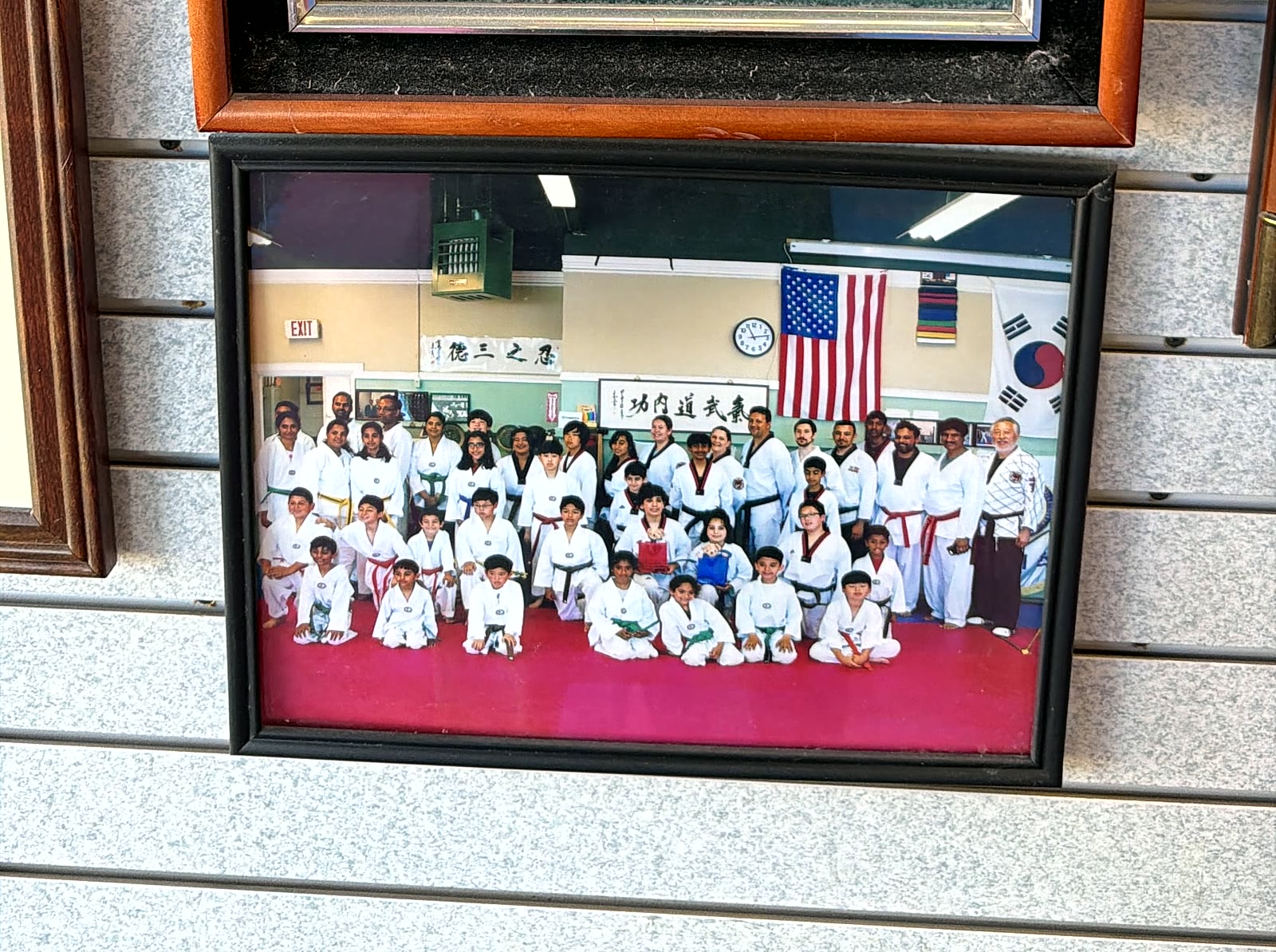
A martial arts trial class in Santa Clara is an opportunity to experience instruction instead of relying only on a website or a list of styles. You can observe how a coach explains movement, how students interact, and whether the environment supports focused learning. The best trial class is not a performance test. It is a thoughtful first conversation between you and an academy.
Decide what you want to learn
Before you visit, clarify what brought you to martial arts. You might be exploring Hapkido, Taekwondo, self-defence, or competition training. You might want a disciplined physical practice or a structured way to study technique. Your reason does not need to be complicated, but naming it will help you ask better questions.
Write down two or three outcomes that matter to you. For example, you may want to understand the fundamentals of a Korean martial art, practise with clear coaching, or learn how an academy approaches self-defence. Avoid judging a trial by whether you look polished immediately. Early learning is about discovering the process and deciding whether the teaching style suits you.
KIMOO Martial Arts in Santa Clara offers Hapkido, Taekwondo, self-defence, and competition training. Ask how the class you attend relates to the discipline you are considering and what a new student should focus on first.
Observe the opening of the class
The first few minutes can tell you a great deal about an academy's approach. Notice whether the instructor gathers attention, explains the plan, and creates a clear starting point. A well-organised class can feel energetic without becoming chaotic.
Look for simple, useful communication. Does the instructor demonstrate before asking students to move? Are directions specific enough to follow? Is there an opportunity to ask for clarification? You are not searching for a single teaching personality. You are looking for instruction that lets you understand what to do and why it matters.
A premium environment should also make room for concentration. Students may be working at different levels of familiarity, but everyone should be encouraged to train with respect and care.
Evaluate fundamentals and progression
A trial class should introduce manageable material. Whether the lesson includes stance, footwork, a technical sequence, or partner work, the instructor should show how the pieces fit together. Pay attention to whether corrections are precise and whether the coach offers a way to improve rather than simply pointing out an error.
Ask how the academy progresses from introductory material. Useful questions include:
- What fundamentals are emphasised first?
- How are new techniques broken into steps?
- How can a student ask for help during a class?
- How does practice change as a student becomes more comfortable?
A responsible answer will describe learning habits and technical development. Be cautious of claims that promise instant mastery or guaranteed outcomes. Martial arts is a practice built through attention, repetition, and time.
Treat safety as part of the experience
Safety is not separate from good instruction. It should be visible in demonstrations, warm-up guidance, partner communication, and the way students reset after a drill. If a movement involves contact, you should understand the intended level of control before participating.
Tell the instructor about an injury, pain, or limitation that may affect your participation. Ask how you can modify a movement while preserving its learning purpose. You should never feel pressured to ignore discomfort or compete with another student's pace.
Observe the social side of safety as well. Partners should listen to one another, respect boundaries, and respond calmly when someone needs to slow down. These habits make technical practice more productive.
Ask about the training environment
The right academy is not defined by a dramatic demonstration alone. Consider whether the room feels focused, respectful, and welcoming. Look at how the instructor speaks to students, how students respond to corrections, and whether the class maintains a clear standard of conduct.
Ask practical questions after the session. You may want to know which discipline you sampled, how to continue learning, and what to bring to future training. You can also ask how Hapkido, Taekwondo, self-defence, and competition training are distinguished within the academy's approach.
KIMOO's leadership includes Grand Master Jong Yeon Hwang, who trained at the Korea Hapkido Headquarters Dojang from 1971 and holds 8th Dan Hapkido. He won Gold at the 10th Wushu World Cup in Milan in 2005. This verified background offers useful context when you are evaluating martial arts instruction in Santa Clara.
Reflect after the trial class
Give yourself a few minutes to write down what you noticed. Did you understand the main exercises? Did the instructor provide a clear explanation? Could you ask questions? Did the pace allow you to stay attentive? Did the experience connect with your reason for exploring martial arts?
You do not have to decide based on excitement alone. Choose a training environment where expectations are clear and where you can approach practice with realistic goals. A free trial class is valuable because it gives you information you cannot get from a search result.
Frequently asked questions
What should I bring to a martial arts trial class?
Ask the academy what is appropriate before you visit. Wear comfortable clothing that allows controlled movement, arrive ready to listen, and tell the instructor about any physical concern that may affect participation.
Should I choose a style before booking a trial?
You can have a preference, but you do not need to know everything in advance. KIMOO offers Hapkido, Taekwondo, self-defence, and competition training. Discuss your goals and ask which introduction is most relevant.
How can I tell if a trial class is well taught?
Look for clear demonstrations, specific corrections, progressive instruction, respectful communication, and visible safety expectations. The class should help you understand the practice rather than pressure you to perform beyond your experience.
What questions should I ask after class?
Ask what you learned, what fundamentals come next, how the academy approaches your chosen discipline, and how you can continue. Also ask any safety or participation question you did not have time to raise during the lesson.
Is a trial class a commitment?
A trial class is a chance to experience instruction and evaluate fit. Use it to ask questions and decide whether the academy's approach matches your goals and expectations. Ready to experience the training for yourself? Book a free trial class at KIMOO Martial Arts in Santa Clara, or call (408) 243-1001.
Train with a champion
Book your free trial class at KIMOO Martial Arts in Santa Clara and train under a World Cup gold medalist.
Keep reading