Training Tips
Martial Arts Forms Training: How to Practise with Purpose
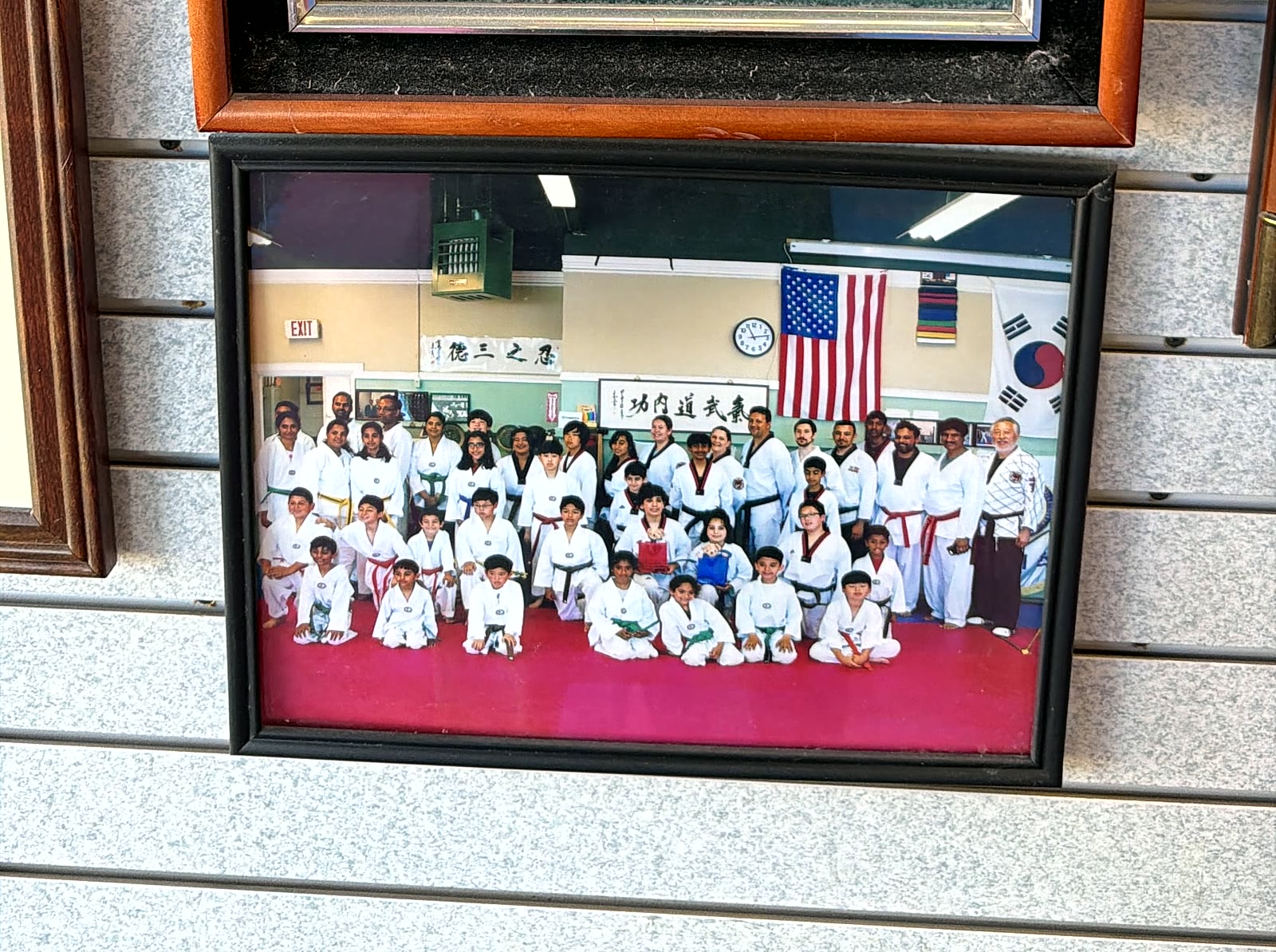
Martial arts forms training gives students a structured way to study movement. A form links positions, transitions, direction changes, and techniques into a sequence that can be practised repeatedly. The value is not simply finishing the pattern from memory. Purposeful practice asks you to understand each detail, maintain control, and gradually make the whole sequence more consistent.
Understand what a form is designed to teach
A form can provide a map for technical study. It asks the student to coordinate stance, posture, footwork, hand position, timing, and attention while moving through a set order. Because the sequence is repeatable, you can return to the same material and notice details that were easy to miss before.
A form is not a promise of automatic skill. It is a training method. To learn well, ask what each section is meant to develop. Is the focus on balance, direction, a transition, a specific position, or the quality of a technique? Understanding the purpose makes repetition more intelligent.
Different martial arts use forms in different ways. KIMOO Martial Arts offers Hapkido, Taekwondo, self-defence, and competition training. Ask the instructor how forms or structured sequences fit the discipline you are studying and what standard of control is expected.
Learn the sequence in manageable pieces
Trying to memorise an entire form at once can make the movement feel like a memory test. Start with a small section. Learn the order, the direction, and the finishing position. Then connect that section to the next one only after the first part is becoming familiar.
Use a simple learning checklist:
- Identify the starting stance and direction
- Learn the first transition without rushing
- Notice where the weight shifts
- Mark each change of direction
- Finish in a stable position before resetting
- Connect sections gradually with instructor guidance
If you forget the sequence, stop and return to the last point you know. Repeating a mistake at full speed can make the error harder to correct. A calm reset is more useful than trying to push through confusion.
Prioritise posture and balance
A form can reveal whether your foundation is stable. Watch for lifted shoulders, locked knees, collapsed posture, or steps that land too narrowly to support the next movement. These details affect how easily you can transition and how clearly you can express a technique.
Practise at a pace that lets you feel where your weight is moving. Keep the head and torso organised, breathe naturally, and allow the feet to arrive before asking the upper body to perform the next action. The goal is not to make every movement large. It is to make every position intentional.
Balance is especially important during direction changes and transitions. A brief pause at the end of a movement can help you check alignment before linking it to the next one.
Use repetition as observation, not autopilot
Repetition is useful when each round has a question. In one round, focus on the path of your feet. In another, focus on posture. Then study the timing of a turn or the position of the hands. This gives the mind a specific task and prevents practice from becoming a blur.
A helpful practice cycle is to perform the form slowly, identify one detail to improve, repeat with that detail in mind, and finish by performing the sequence naturally. Avoid changing five things at once. One precise correction is easier to remember and evaluate.
Ask an instructor to watch a section when you are unsure. An outside observation can reveal an alignment or timing issue that is difficult to feel while you are concentrating on memory.
Prepare for performance without losing purpose
Some students practise forms for personal development, while others may prepare for a demonstration or competition. Both approaches benefit from the same foundation: clear technique, reliable sequence memory, and calm attention.
If performance is your goal, practise entering the form with composure and finishing without immediately looking for approval. Keep your focus on the next technical detail. A strong presentation comes from preparation rather than exaggerated movement.
Competition training should be guided by an instructor who understands the relevant rules and the student's goals. Do not assume that making a form faster or bigger automatically makes it better. Precision and control must remain visible.
Build a respectful practice habit
Forms can be practised alone, but instruction still matters. Learn the academy's expectations for starting, finishing, spacing, and interacting with training partners. Ask before recording or sharing a form, and give others room to concentrate.
At home, use only material your instructor has already taught you. Choose a clear space, remove hazards, and stop if fatigue causes your balance or technique to deteriorate. A short, attentive practice is more useful than an unfocused session that creates poor habits.
KIMOO is led by Grand Master Jong Yeon Hwang, who trained at the Korea Hapkido Headquarters Dojang from 1971 and holds 8th Dan Hapkido. He won Gold at the 10th Wushu World Cup in Milan in 2005. This verified background offers context for disciplined martial arts instruction in Santa Clara, while your progress depends on consistent attention to the details you are learning.
Frequently asked questions
Are martial arts forms only for advanced students?
No. Forms can be introduced in manageable sections so students learn foundational positions, transitions, and focus. The instructor should adjust the complexity and pace to the material being taught.
How can I remember a form more easily?
Break it into sections, mark direction changes, identify the finishing position of each part, and practise slowly. Return to the last point you know rather than repeating a sequence after memory has broken down.
Should I practise forms quickly?
Speed should come after understanding and control. Practise at a pace that lets you maintain balance, posture, breathing, and accurate transitions. Increase pace only when the technique remains organised.
Can forms help with competition training?
They can be part of structured competition preparation when an instructor connects practice to the relevant rules and goals. The focus should remain on precise, controlled performance rather than speed alone.
What if a form feels repetitive?
Give each round a specific observation, such as footwork, posture, balance, or timing. A clear question turns repetition into a way to study and refine movement. Want to develop a more precise and focused practice? Book a free trial class at KIMOO Martial Arts in Santa Clara, or call (408) 243-1001.
Train with a champion
Book your free trial class at KIMOO Martial Arts in Santa Clara and train under a World Cup gold medalist.
Keep reading