Kids & Family
Martial Arts for Two or Three Children: Making the Cost Work
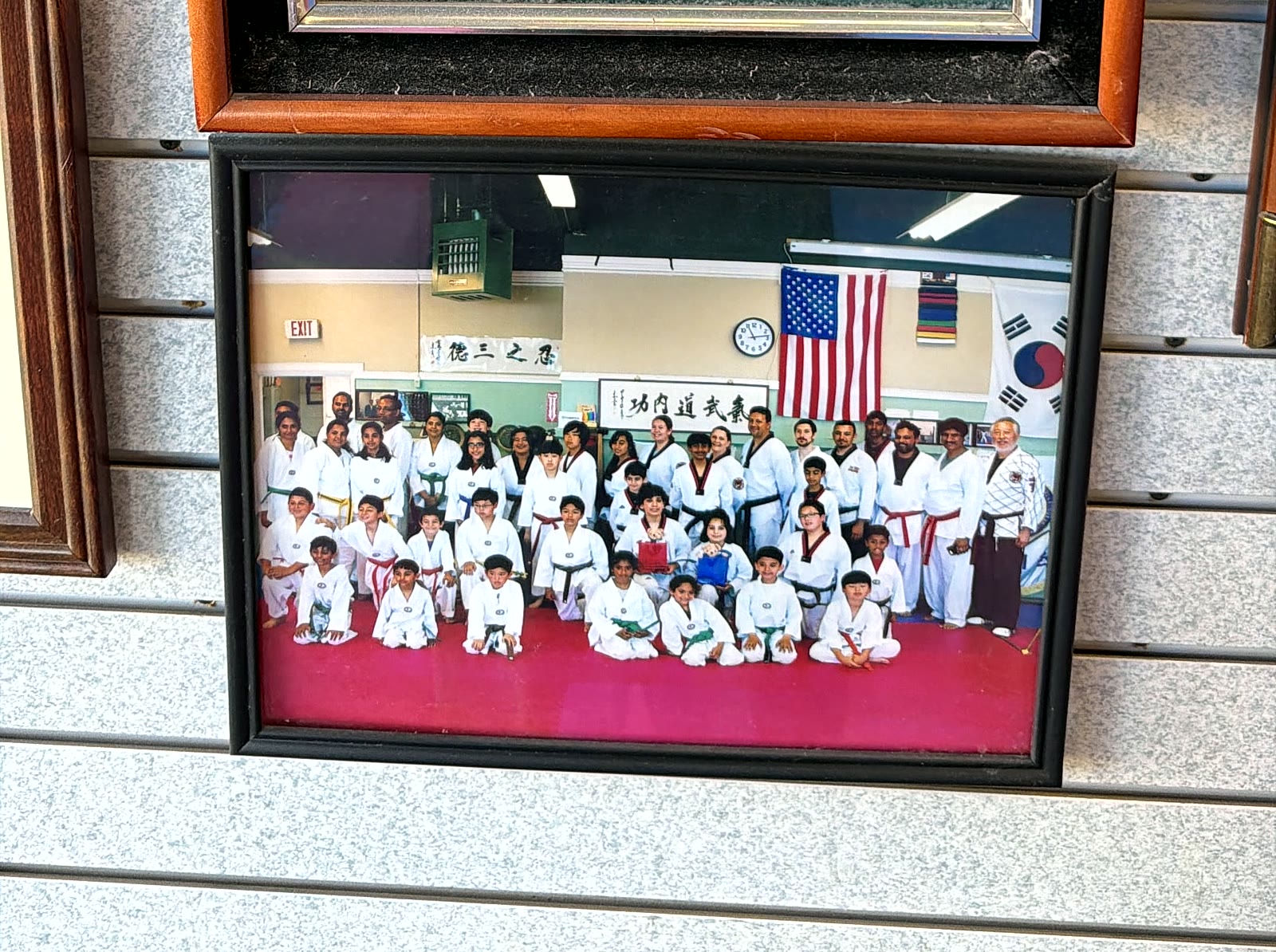
Parents with one child ask what martial arts costs. Parents with three ask whether it is possible at all.
It usually is, but the thing that makes it possible is not the discount. It is the structure.
The number that actually breaks families
National data puts average household spending at around $1,016 on a single child's primary sport, rising to roughly $1,500 per child once secondary activities are counted. Multiply the second figure by three and you have a number most households cannot absorb.
But look at where that money goes. Across the national surveys, travel is consistently the largest single expense — ahead of equipment, ahead of private lessons. And travel is the cost that multiplies worst with more children, because it is not really money. It is Saturdays.
Two children in club sports at different venues does not cost twice one child. It costs two parents, or one parent and a logistical problem that recurs every week. Three children in three activities is simply not solvable by most families, at any price.
This is where martial arts is structurally different, and it is a bigger effect than any sibling rate.
One building, one trip, one hour
Siblings in martial arts train at the same address. Depending on ages, often in the same class, and if not, in consecutive ones — which means one trip, one parking space, one block of time.
The practical consequences:
- One drive each way, not two or three
- One window in the week, not three scattered across it
- A parent who can stay and actually watch, rather than shuttling between venues
- No weekend fixture list. Competition is available but genuinely optional, so Saturdays remain yours
- Shared equipment timing. Gear is bought as each child needs it, not for a whole team at season start
For a family in Santa Clara juggling two working parents and school pickup, that structural saving is worth more than a percentage off tuition.
Ask about family rates, and ask properly
Many martial arts schools do offer reduced rates for additional family members. It is common enough to be worth asking everywhere, and specific enough that you should ask precisely:
- Is there a reduced rate for a second and third child, and what is it?
- Does it apply to an enrolling parent as well, or only to children?
- Does it cover testing fees too, or only tuition?
- Does it survive if one child pauses for a season?
That third question matters more than people expect. Gradings for three children arriving in the same month is a real cost, and a family rate that covers tuition only will not help with it. Our guide to belt testing fees explains what those fees normally run.
We do offer family consideration at KIMOO, and the honest way to find out what applies to your household is to call — because it depends on ages, how many are training and which programmes.
The option most parents overlook
Train with them.
Adult and children's programmes exist at the same school, and a parent training alongside their children changes the economics and the outcome. You are already in the building for an hour. The marginal cost of being in the class rather than the waiting area is often much smaller than enrolling separately somewhere else — and the effect on whether children stay is substantial.
Children whose parents train tend not to quit, because the activity stops being something they are sent to and becomes something the family does. Given that the reasons children leave activities are overwhelmingly about enjoyment and connection rather than technique, this matters. We wrote about it in training martial arts with your child.
Starting staggered
If three at once is not affordable, it does not have to be three at once.
Start with the child most likely to take to it — usually the one asking. Let them train for a few months. Siblings watching from the side very often ask to join, and by then you know whether the school suits your family before committing further.
This also avoids the most expensive mistake available to a family: enrolling three children simultaneously in a school that turns out to be wrong, then paying to extract all three. Our checklist of questions to ask before enrolling is worth working through before the first signature, not the second.
What a realistic plan looks like
- Book free trials for each child. Separately if the ages differ. Nobody should pay to find out whether a child enjoys it
- Ask for the twelve-month cost in writing, for the actual number of children you intend to enrol, including gradings
- Ask what the family rate covers, specifically tuition versus testing
- Pick a class time that works once, not three times
- Consider training yourself. Ask what an adult place costs alongside the children's
- Start with one child if money is tight. Add siblings when you are confident in the school
At KIMOO
KIMOO Martial Arts is at 2181 El Camino Real, Santa Clara, CA 95050. We teach children, teens and adults in one location, which means siblings — and parents — can train in the same visit.
Every child's first class is free, and enrolling includes a uniform and white belt at no cost, so you are not buying equipment for two or three children before you know they will stay. Call (408) 243-1001 and tell us how many children you have and their ages, and we will tell you exactly what it would cost and which classes they would be in.
Frequently asked questions
Do martial arts schools offer sibling discounts?
Many do, and it is worth asking everywhere. Ask specifically whether it applies to a second and third child, whether an enrolling parent counts, and whether it covers testing fees or only tuition. KIMOO offers family consideration — call **(408) 243-1001** with your children's ages for specifics.
Is martial arts affordable for a family with three children?
More often than club sports, largely because of structure rather than price. Siblings train at one address in one visit, which eliminates the travel cost that national surveys identify as the largest expense in youth sport and the one that multiplies worst with additional children.
Can siblings of different ages train together?
Often in the same class, and otherwise in consecutive ones at the same location — so it remains a single trip and a single block of time. Call with your children's ages and we will tell you which classes they would be in.
Should I enrol all my children at once?
Not necessarily. Starting with the child who is asking, then adding siblings after a few months, lets you confirm the school suits your family before committing further. Siblings watching from the side frequently ask to join on their own.
Can parents train with their children?
Yes, and it is the most overlooked option available to families. You are already in the building; a parent training alongside their children significantly improves the odds the children keep going, because the activity becomes something the family does rather than somewhere they are dropped off.
What is the biggest cost of multiple children in activities?
Travel, according to national youth sports data — ahead of equipment and private lessons. It is also the cost that scales worst with more children, since separate venues require separate trips and often separate parents.
Where is KIMOO Martial Arts?
**2181 El Camino Real, Santa Clara, CA 95050.** Call **(408) 243-1001** for class times, family rates and to book free trial classes.
Train with a champion
Book your free trial class at KIMOO Martial Arts in Santa Clara and train under a World Cup gold medalist.
Keep reading