Getting Started
What Earning a Black Belt Actually Costs
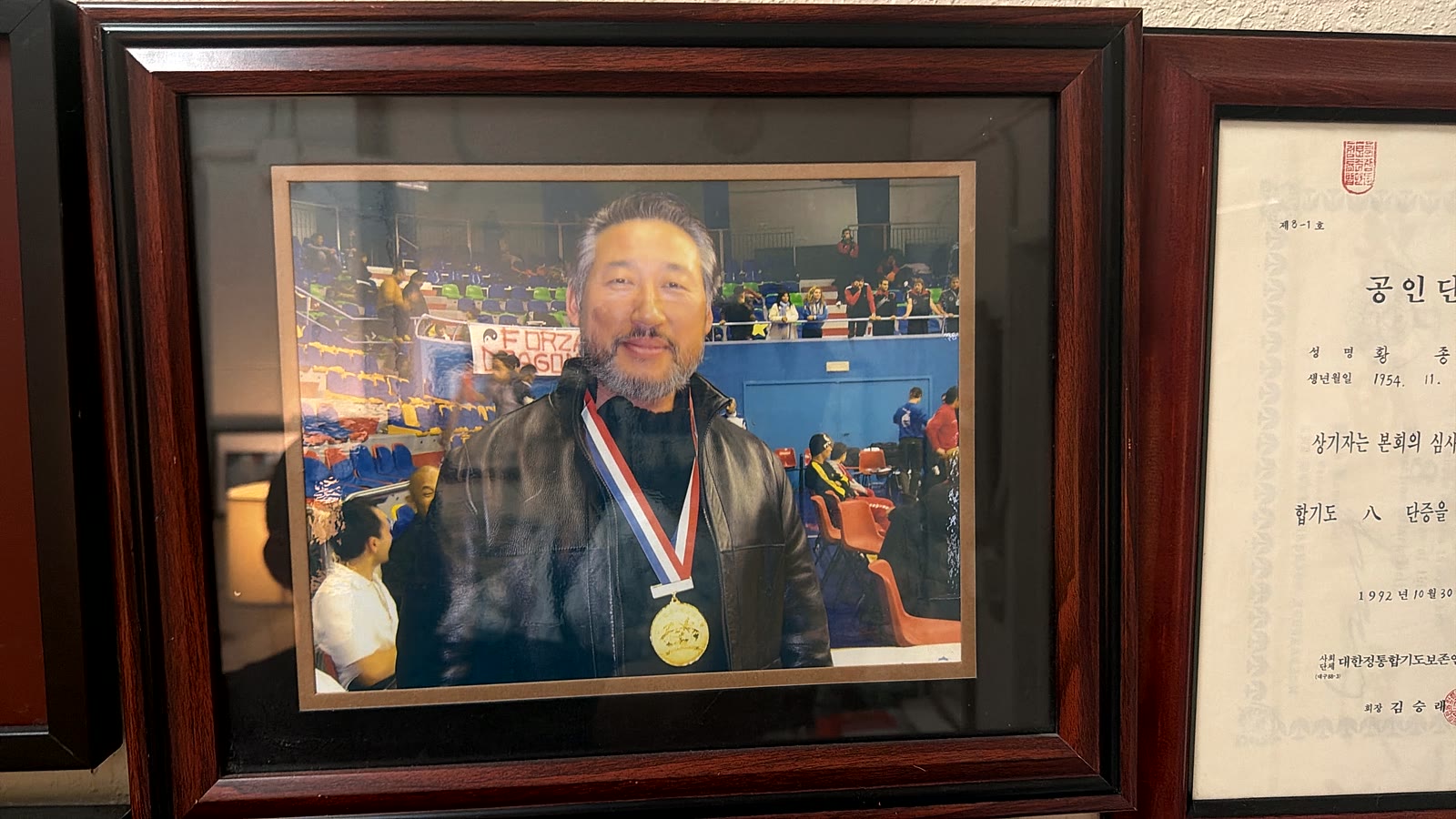
People ask what a black belt costs expecting a single number. There isn't one, and any school that gives you one quickly is telling you something about how they operate.
What there is, is an honest way to calculate it for yourself. Here it is.
Start with the time, not the money
A first-degree black belt in Taekwondo typically takes three to five years of consistent training. Most schools and governing bodies land in that range, and the guidelines generally assume you are training at least two to three times a week.
Could it be faster? For an unusually dedicated adult training frequently, about three years is the realistic floor. Should it be faster? No — and this is the single most useful piece of consumer protection in martial arts.
A school advertising a black belt in eighteen months or two years is selling you something other than a black belt. The term for it in the martial arts world is unflattering, and it is deserved. Rank compresses when it is a product rather than an assessment. If the timeline sounds convenient, that is the warning.
So the cost question becomes: what does three to five years of good training cost? That you can actually work out.
The four things you will pay for
Tuition. This is the overwhelming majority of the total — typically well over 80% of everything you will spend. Monthly tuition multiplied by 36 to 60 months is your baseline. Everything else is noise by comparison, which is why tuition is the number to scrutinise and the extras are mostly a question of honesty rather than arithmetic.
Testing fees. Coloured belt gradings commonly run somewhere around $35 to $150 per test, with tests arriving every two to four months depending on the school and the rank. Dan tests are substantially higher — figures of $300 to $500 appear frequently for a first-degree black belt test, because that test usually involves external examiners and formal certification.
Those ranges come from school price lists and practitioner discussion rather than any central registry, and they vary a great deal by region and school. Treat them as a sense of scale, not a quote.
Equipment. A uniform to begin with. Protective gear later, and only if sparring is part of your path. We break the staging down in what martial arts equipment actually costs and when you need it.
Certification. A legitimate first-degree Taekwondo black belt is usually registered with a recognised body, and that registration carries a fee. This is a cost worth paying — it is the difference between a rank that exists on paper anywhere outside your own school and one that does not. Our guide to verifying instructor credentials explains how that registration works and why it matters.
Do the arithmetic yourself
Take any school you are considering and fill in four blanks:
- Monthly tuition × 48 months. Four years is a fair midpoint of the three-to-five range
- Number of gradings to black belt × the fee per grading. Ask for the belt order and the test frequency; most schools will tell you both
- The dan test and certification fee
- A uniform, plus sparring gear if you intend to spar
Add them. That is your realistic number, and it will be dominated entirely by the first line. Which is the point: you are buying four years of instruction, not a belt. The belt is a receipt.
The question that actually decides value
Two schools can produce the same arithmetic and deliver completely different things. What separates them is not the total — it is what happens in the room for those four years.
Worth asking:
- Who teaches the class you will actually attend? Not who owns the school. Many schools are fronted by a senior name and staffed by teenagers
- How many students per instructor? Four years of attention in a class of eight is a different purchase from four years in a class of forty
- What is the standard at the test? Ask whether anyone has ever been held back. A school where everyone passes on schedule is not testing, it is invoicing
- Is the rank registered, and with whom?
A school that answers all four plainly is probably worth its price. A school that deflects is telling you what you are really buying.
The cost of not finishing
Most people who start do not reach black belt. That is the real financial risk, and it is bigger than any testing fee.
National youth sport data shows children leave organised activity after about 2.86 years on average, with the reasons given most often being that it stopped being fun, poor coaching, and financial pressure. Three years is uncomfortably close to the length of a black belt path — which means the thing most likely to waste your money is not overpaying, it is quitting at year three.
That reframes what you should shop for. Not the cheapest route to black belt, but the school where you will still be training in year four. We wrote about what makes people stay or go, and about how often you actually need to train to make the timeline realistic rather than theoretical.
Where KIMOO sits
KIMOO Martial Arts has been teaching in Santa Clara for decades, and our rank is registered through recognised Korean governing bodies rather than issued in-house. We are at 2181 El Camino Real, Santa Clara, CA 95050.
We do not sell black belt packages, and we do not quote a timeline before we have seen someone train — because the honest answer depends on the person. What we will do is tell you our tuition, our grading schedule and our fees in full before you enrol, so you can run the arithmetic above yourself.
Your first class is free, and enrolment includes a uniform and white belt at no cost. Call (408) 243-1001 for current rates and class times, or read about our black belt programme.
Frequently asked questions
How much does it cost to get a black belt?
There is no single figure, because the overwhelming majority of the cost is tuition over three to five years. Multiply a school's monthly tuition by roughly 48 months, then add grading fees across the coloured belts, the dan test and certification. Tuition will account for well over 80% of the total.
How long does a black belt take in Taekwondo?
Typically three to five years of consistent training, assuming two to three sessions a week. About three years is the realistic floor for a dedicated adult. Any school promising eighteen months or two years is compressing rank rather than teaching it.
How much are belt testing fees?
Coloured belt tests commonly fall somewhere around $35 to $150, arriving every two to four months. First-degree black belt tests are higher, with $300 to $500 appearing frequently, because they usually involve external examiners and formal registration. These are ranges from school price lists rather than any official standard, so ask for the actual schedule in writing.
Why is a black belt test more expensive than a belt test?
Because it is usually not administered solely by your own school. A legitimate dan grading often involves external examiners and results in registration with a recognised governing body, which carries its own certification fee. That external element is what makes the rank mean anything outside your school's walls.
Is an expensive martial arts school better?
Not reliably. Price tracks rent and marketing at least as much as teaching quality. What correlates better with value is who actually teaches your class, how many students share the instructor's attention, whether anyone ever fails a test, and whether rank is externally registered.
What is the biggest financial risk in pursuing a black belt?
Quitting partway. National data shows people leave organised activity after about 2.86 years on average — close to the length of a black belt path. Choosing a school you will still attend in year four matters more financially than saving a few dollars a month at the start.
Where is KIMOO Martial Arts?
**2181 El Camino Real, Santa Clara, CA 95050.** Call **(408) 243-1001** for current rates, class times and to book a free trial class.
Train with a champion
Book your free trial class at KIMOO Martial Arts in Santa Clara and train under a World Cup gold medalist.
Keep reading