Training Tips
Martial Arts and College Student Identity: What a 2026 Study Found
Martial arts and college student identity are the focus of a 2026 study published in Frontiers in Psychology and indexed in PubMed Central. The researchers examined an eight-week structured martial arts intervention with 58 undergraduates at one university in China. They reported changes in measures including identity commitment, embodied awareness, self-esteem, and resilience in the intervention group. This is an interesting finding, but it is not proof that any martial arts class causes the same outcomes for every student.
The paper can help readers ask a better question than whether martial arts “builds confidence” in general: what was studied, with whom, and under what conditions? The study's participants were college students aged 18 to 25, divided between an intervention group and a waitlist control group. Its specific setting and design matter when interpreting the results or applying them to a different program, location, or age group.
What the researchers studied
The article, “Martial arts practice and self-identity development among college students: evidence from an embodied psychological perspective,” appeared in Frontiers in Psychology in July 2026. It describes a quasi-experimental, pre-post study at Guangdong University of Petrochemical Technology in China. Fifty-eight undergraduate students aged 18 to 25 participated, with 29 assigned to the martial arts intervention group and 29 to a waitlist control group.
The intervention group completed an instructor-led program over eight weeks, with three sessions a week, while the control group continued usual activities. Researchers assessed identity, embodied awareness, self-esteem, and resilience using named questionnaires before and after the intervention. Those details provide context; they should not be confused with a recommendation that every college student train three times weekly, or with the format of a class in Santa Clara.
The paper reports statistically significant time-by-group interactions for the measured outcomes and says the intervention group improved on those measures. The authors also report that changes in embodied awareness partially mediated the relationship between group assignment and changes in identity commitment. These are the study's reported findings. A single study, especially a relatively small one at one university, cannot establish that the same effect will occur in other groups or training settings.
What “embodied awareness” means here
In ordinary language, body awareness can refer to noticing sensations and movement. In this research, embodied awareness was assessed through a standardized self-report measure. It is not a direct test of martial arts skill, and the reported relationship does not prove that a particular technique or philosophy caused students' identity scores to change.
A plausible interpretation is that structured practice may give participants repeated experiences of noticing, coordinating, and reflecting on movement. That is an interpretation, not a separate result establishing a mechanism in all students. The authors themselves describe their framework as embodied psychology and discuss the possible role of bodily awareness in identity development.
Read the study with its limitations in mind
The sample included only 58 undergraduates at one institution, and the intervention lasted eight weeks. A quasi-experimental design and waitlist comparison can provide useful preliminary evidence, but it is not the same as a large, randomized study across different schools, age groups, and martial arts styles. The results concern the measures and participants in that study, not clinical treatment or guaranteed personal change.
The findings should not be used to promise improved mental health, resilience, self-esteem, or academic performance from martial arts enrollment. The study was not a test of KIMOO Martial Arts, its current classes, or any program in Santa Clara. Anyone seeking support for a mental health concern should consult an appropriate qualified professional rather than relying on a sports class or one research paper.
Practical takeaways for an adult beginner
For a college student considering a martial arts class, the most defensible takeaway is that structured training is a potentially engaging activity to explore, not a shortcut to identity development. Ask what the class actually involves, how instruction is delivered, whether beginners are welcome, and what kind of physical contact or partner work may occur. If you have a health concern or accommodation need, discuss it with a qualified professional and the instructor before participating.
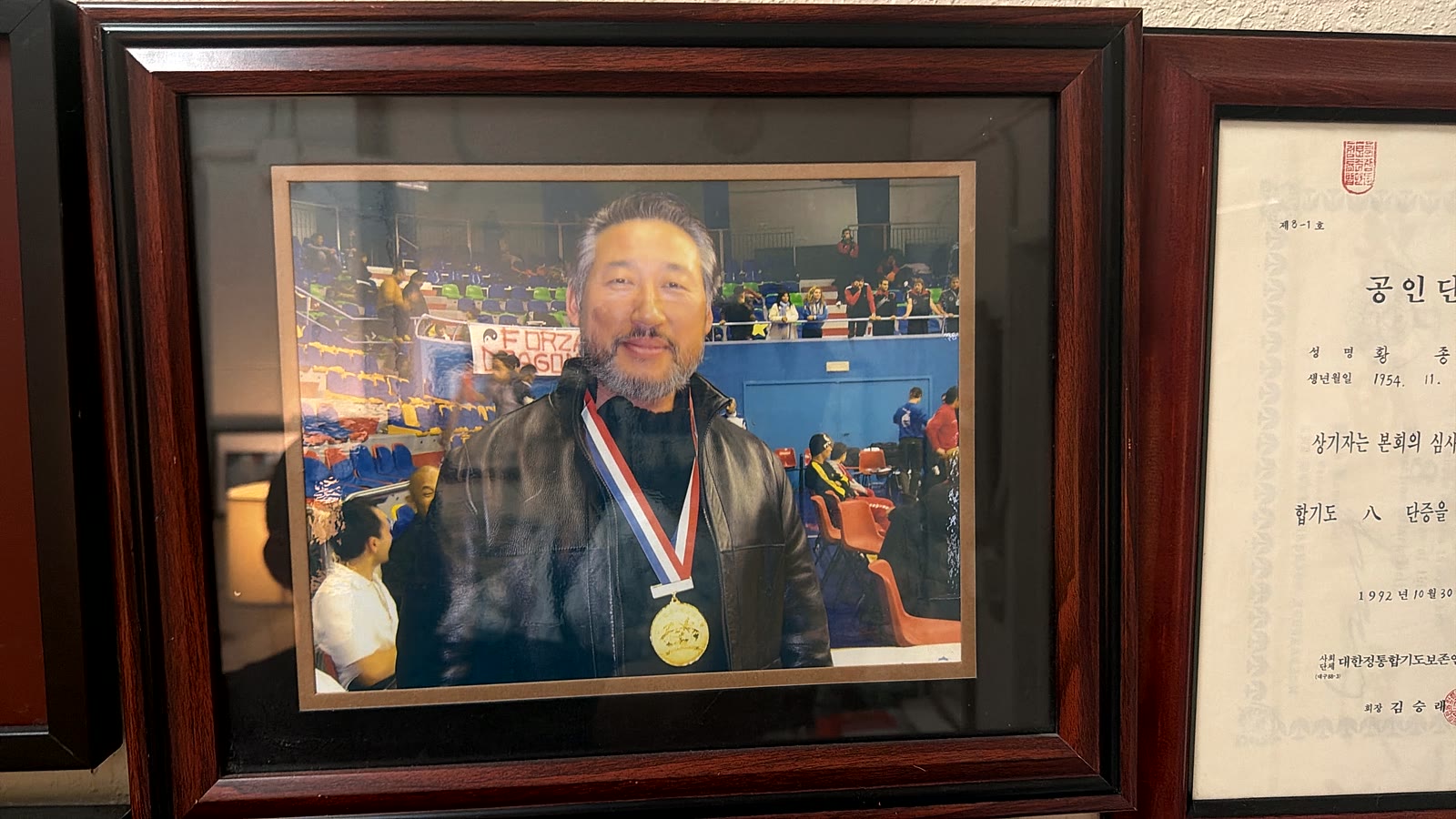
KIMOO Martial Arts is located in Santa Clara and lists Hapkido and Wushu among its disciplines. The academy's verified facts include a Grand Master who holds 8th Dan in Hapkido and earned gold at the 10th Wushu World Cup in Milan in 2005. Those facts describe the instructor's background; they do not demonstrate that KIMOO's classes reproduce the intervention in the research paper. Ask the academy which adult classes are currently available and what a beginner would practice.
You can also decide what “progress” means to you. It might be learning a movement carefully, attending consistently, or becoming more comfortable asking questions. Those are personal goals, not outcomes promised by the published study. Select a program based on its current instruction, practical fit, and your own priorities.
Frequently asked questions
What did the 2026 study find?
The authors reported improvements in several measured outcomes, including identity commitment, embodied awareness, self-esteem, and resilience for the intervention group. These are study findings, not guaranteed effects for all students.
How many people took part?
The paper describes 58 undergraduates aged 18 to 25 at one university in China, with 29 participants in each group.
Does the study prove martial arts improves mental health?
No. It examined specific self-report measures in a small, eight-week study. It does not establish treatment effects or guarantee outcomes for other populations.
Is this research about KIMOO Martial Arts?
No. It studied a program at Guangdong University of Petrochemical Technology in China, not KIMOO or its classes.
What should a college student ask before joining a class?
Ask about beginner instruction, class activities, contact or partner drills, current scheduling, and any accommodations you may need. Confirm details directly with the academy. To ask about current adult classes at KIMOO Martial Arts in Santa Clara, call (408) 243-1001 or ask whether a free trial class is available.
Train with a champion
Book your free trial class at KIMOO Martial Arts in Santa Clara and train under a World Cup gold medalist.
Keep reading