Training Tips
How to Tell If You Are Actually Improving in Martial Arts
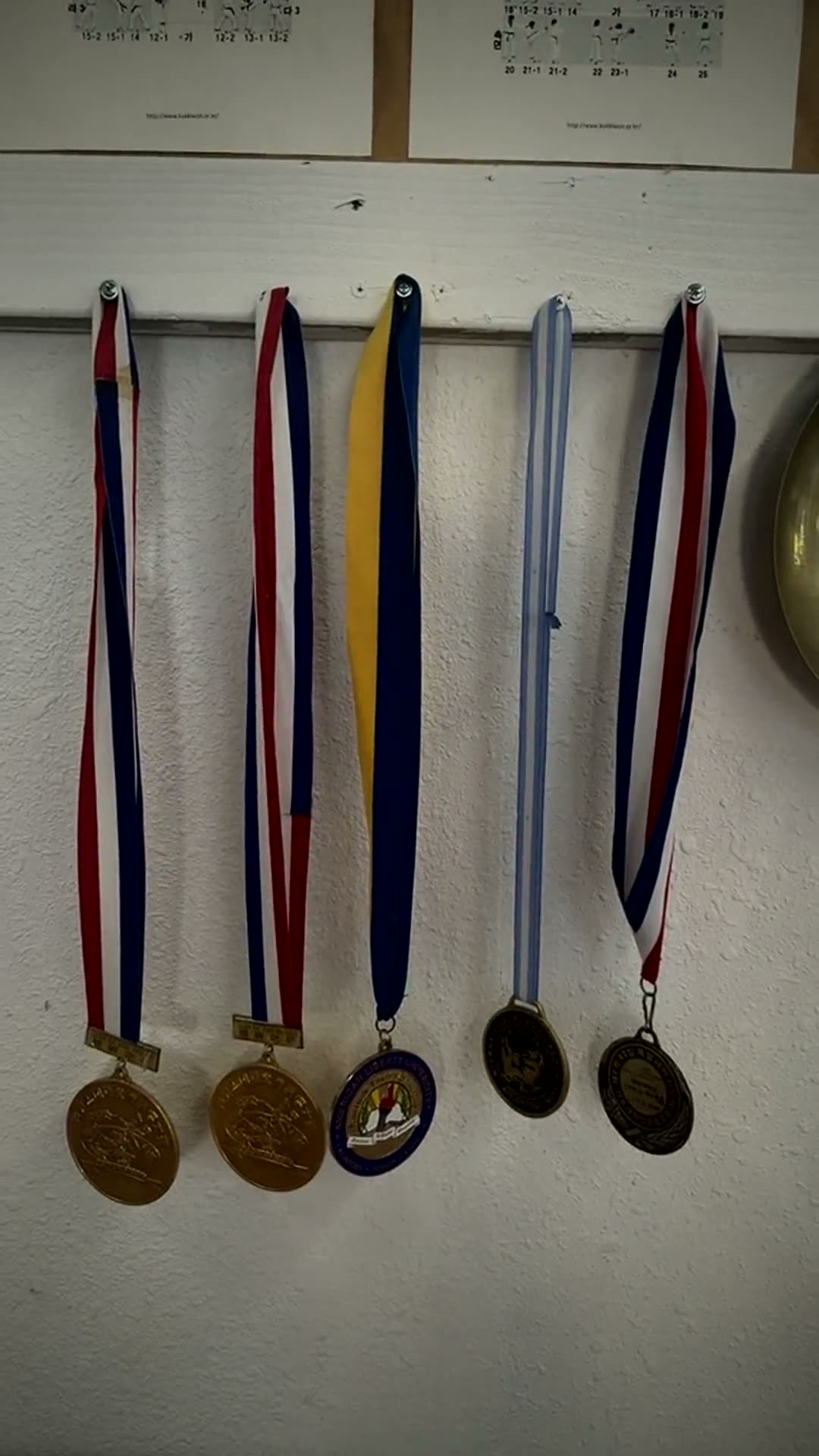
Belts are a poor progress signal. They arrive every few months at best, they are coarse, and at a school with weak standards they mean nothing at all.
So students are left guessing — and the guess tends to be pessimistic, because improvement in a complex skill is mostly invisible from the inside. Here is what to actually measure.
Why you cannot feel yourself improving
Two things conspire against you.
Your standards rise with your ability. At white belt you did not know your guard was dropping. At green belt you notice it every time, so training feels worse. This is progress presenting as failure, and it catches almost everyone around the intermediate ranks.
Improvement is non-linear. Skill consolidates in steps rather than slopes, often with nothing visible for weeks and then a sudden jump. The weeks with nothing visible are when the work is happening.
Which means subjective feeling is close to useless as a measure. You need external markers.
Six markers that actually work
You have stopped thinking about something. This is the best single indicator. A technique you had to think through now happens without deliberation, freeing attention for the next thing. When you realise you executed a block without deciding to, that is consolidation — and it is the mechanism by which everything later becomes possible.
Recovery is faster. The same class leaves you less destroyed than it did two months ago. This is measurable and it is real, whether or not your technique has changed.
Your errors have changed. You are no longer making the mistakes you made in month one. You are making different, more advanced mistakes. Tracking which errors your instructor corrects is a far better progress log than tracking your belt — if the corrections are the same ones as six months ago, that is the signal worth acting on.
You can be corrected faster. An instructor says three words and you adjust. Early on, the same correction took a demonstration and several attempts. Improved responsiveness to feedback is a genuine skill and it compounds.
You notice things in others. You can see that another student's stance is too narrow, or that their kick has no hip in it. Perception develops ahead of execution, so seeing errors is evidence you are progressing even when your own body lags.
Unfamiliar situations are less alarming. A new partner, a different drill, an unexpected combination. Reduced panic in novelty is adaptability, and it is what the belt is supposed to represent.
What is not a good marker
- Flexibility. Improves on its own schedule, affected by age, genetics and sleep. Poor proxy for skill
- How tired you are. A hard class means a hard class
- Beating a specific partner. They have their own trajectory, and their bad week is not your good one
- Kick height. Control at a lower height beats a high kick you cannot land accurately. We make this point in the kicks guide
- Time elapsed. Four years of inconsistent attendance is not four years of training
- Your belt. At a school where everyone passes on schedule, it is a receipt for attendance. See belt testing fees
Plateaus, and what they usually are
Nearly every student hits a period where nothing seems to move, commonly somewhere in the middle ranks. It is normal and it is the most common point at which people quit — which makes recognising it valuable.
Real causes, roughly in order of frequency:
- You are consolidating. The unglamorous work of making existing technique automatic. Looks like nothing, is not nothing
- Attendance dropped. The most common cause by far, and the easiest to miss. Count your actual sessions over the last eight weeks rather than estimating. Below two a week and progress genuinely stalls
- Your standards rose. Covered above
- One fault is blocking several things. Occasionally a single mechanical error gates further progress, and this is precisely when a few private sessions pay off
- You are not being corrected. If nobody has told you anything specific in a month, the problem may be the class size rather than you
The thing to do instead of wondering
Ask. Specifically:
"What am I doing better than three months ago, and what is still the same problem?"
A good instructor can answer both halves, because they have been watching. The second half is the more useful one — a fault that has survived three months of training is the thing to work on deliberately, and it is usually something you cannot see.
This question also tests the school. An instructor who cannot answer it is not tracking you, and that is worth more than any progress report.
Keeping a short training note after each class — what you were corrected on, in one line — turns this into something you can read back. The pattern across two months is far more informative than any single session.
At KIMOO
KIMOO Martial Arts is at 2181 El Camino Real, Santa Clara, CA 95050. We grade students when their technique is ready rather than when the calendar says so, which means our belts carry information — and it also means some students wait longer than they would like, and we tell them why.
Ask us what you are doing better and what still needs work. We will have a specific answer. Your first class is free, and enrolling includes a uniform and white belt at no cost. Call (408) 243-1001.
Frequently asked questions
How do I know if I am improving in martial arts?
Look for external markers rather than how you feel: techniques you no longer have to think about, faster recovery from class, different and more advanced mistakes than before, quicker response to correction, the ability to spot errors in others, and less alarm in unfamiliar drills.
Why does martial arts feel harder as I improve?
Because your standards rise with your ability. At white belt you could not see your own faults; later you notice them constantly, so training feels worse while actually being better. This catches most students around the intermediate ranks.
Is a belt a good measure of progress?
Only at a school with real standards. Belts are coarse and infrequent, and where everyone passes on schedule they record attendance rather than skill. Tracking which errors your instructor corrects is a far more informative progress log.
What does a plateau in martial arts mean?
Most often consolidation — the unglamorous work of making existing technique automatic, which looks like nothing happening. The second most common cause is a quiet drop in attendance, so count your actual sessions over the last eight weeks rather than estimating.
How long do plateaus last?
Variable, but they are usually shorter than they feel, and they are the most common point at which students quit. If one persists beyond a couple of months with consistent attendance, ask your instructor whether a single fault is blocking progress — that is a case where a few private sessions genuinely help.
What is the best question to ask about my progress?
"What am I doing better than three months ago, and what is still the same problem?" The second half matters most: a fault that has survived three months is worth deliberate work. An instructor who cannot answer is not tracking you.
Where is KIMOO Martial Arts?
**2181 El Camino Real, Santa Clara, CA 95050.** Call **(408) 243-1001** for class times, current rates and to book a free trial class.
Train with a champion
Book your free trial class at KIMOO Martial Arts in Santa Clara and train under a World Cup gold medalist.
Keep reading