Training Tips
Martial Arts Mobility and Balance Training for Everyday Movement
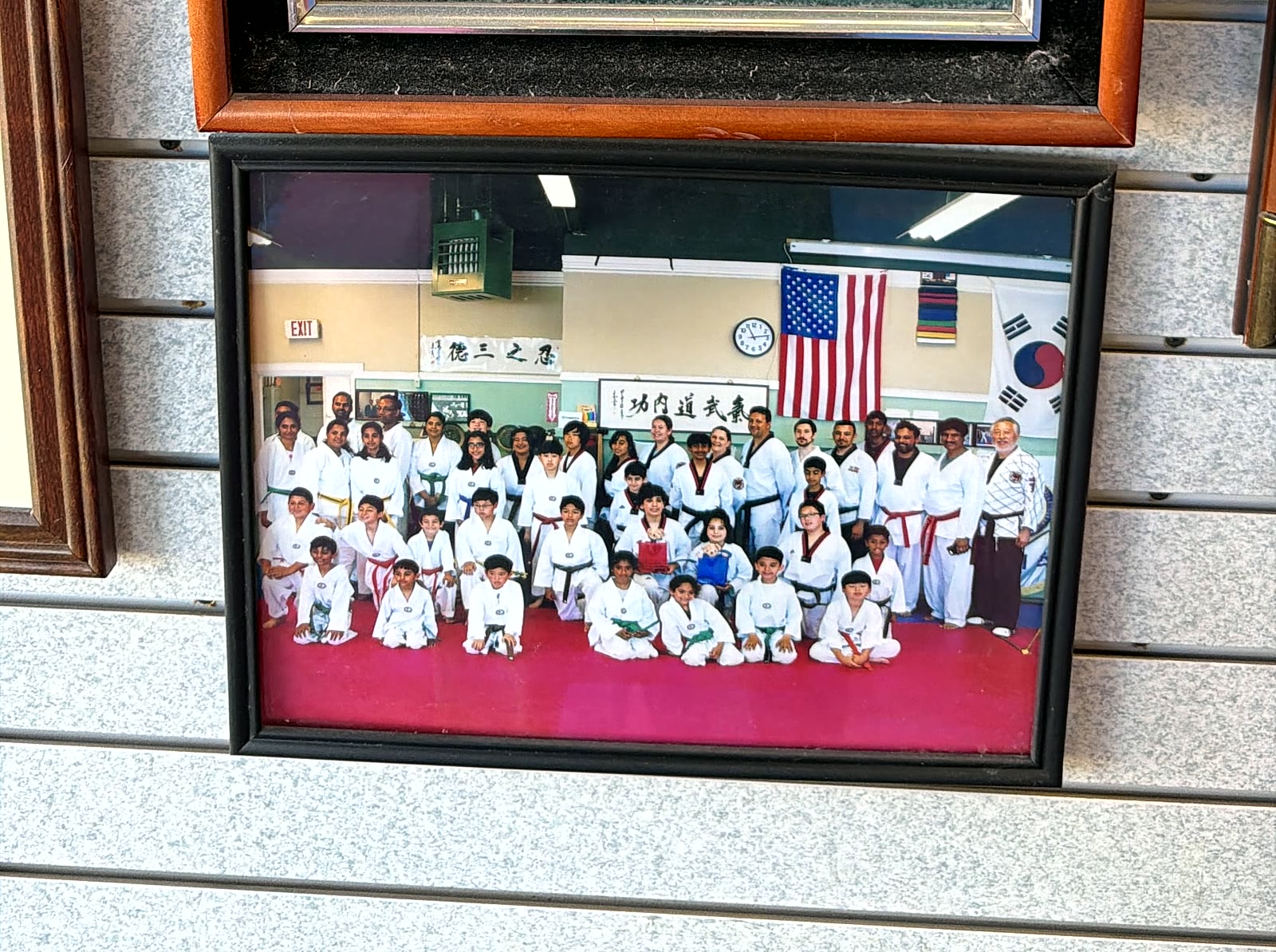
Martial arts mobility and balance training is receiving more attention because students want movement that feels capable, controlled, and sustainable. Mobility is not simply the ability to stretch farther, and balance is not only standing on one leg. Together, they support better positions, smoother transitions, and more awareness of how the body moves. A thoughtful practice can benefit beginners and experienced students alike.
Understand mobility before you chase range
Flexibility describes how far a joint or muscle can move, while mobility also involves control in that range. A student may be able to reach a deep position passively but struggle to use that position during footwork or a technique. Martial arts training should connect range of motion to posture, coordination, and deliberate movement.
Start with a comfortable range. Move slowly enough to notice alignment, breathing, and tension. If a position causes sharp pain, stop and seek appropriate professional guidance. The aim is not to force a dramatic stretch. It is to build usable movement gradually and consistently.
Before class, notice whether you can turn your head, bend your knees, and rotate your hips and shoulders comfortably. Tell the instructor about limitations before training.
Use footwork to connect balance and movement
Balance becomes more practical when it is trained while moving. Martial arts footwork asks a student to shift weight, change direction, maintain posture, and stay ready to respond. Even basic steps can reveal whether a student is rushing, crossing the feet unnecessarily, or losing awareness of the floor.
Practise one movement at a time. Keep the steps small, maintain a stable base, and pause briefly after changing direction. Then add a simple hand position or a controlled turn. The sequence should remain precise rather than becoming fast for its own sake.
Useful footwork habits include:
- Keep your eyes level instead of staring at the feet.
- Let the knees track comfortably in the direction of movement.
- Transfer weight deliberately rather than leaning abruptly.
- Breathe steadily while changing direction.
- Return to a balanced stance after each step.
These habits are relevant across Hapkido, Taekwondo, self-defence, and other movement practices, although the exact technique and rules depend on the lesson.
Train control, not just intensity
A common mistake is to treat a hard workout as the only measure of progress. Mobility and balance improve through attention. Slow repetitions can reveal details that disappear at high speed, such as a collapsing posture, a stiff shoulder, or a foot that lands without control.
Try a three-part approach. First, practise the movement slowly enough to understand its shape. Second, repeat it at a moderate pace while maintaining alignment. Third, add a small amount of speed only if control remains consistent. If quality breaks down, return to the previous step.
This method supports technical learning and gives the nervous system a clearer task. It also creates a more respectful training environment, because students can work with partners without using unnecessary force.
Pair warm-up, strength, and recovery
Mobility is supported by strength and coordination. A controlled squat, a stable lunge, or a careful single-leg position can challenge the muscles that help maintain posture. The goal is not to turn every martial arts session into a separate fitness test. It is to develop the capacity to move well in the positions training requires.
A sensible session can include a general warm-up, dynamic movement, technique practice, and a gradual return to rest. Save longer, gentler stretches for a suitable point in the session or for a separate recovery routine, based on the guidance of a qualified instructor. Hydration, sleep, and rest days also affect how well the body learns.
Do not compare your range of motion with another student's. Bodies differ, and mobility can change from one day to the next. Consistent, pain-aware practice is more valuable than forcing a position to look impressive.
Make mobility relevant to your goals
The best mobility routine depends on what you want to do. A Taekwondo student may pay close attention to hip movement, leg control, and balance during kicking practice. A Hapkido student may study posture, turning, and stable transitions in close-range techniques. Someone focused on self-defence may prioritise moving safely, maintaining awareness, and recovering balance after a change of direction.
KIMOO Martial Arts in Santa Clara offers Hapkido, Taekwondo, self-defence, and competition training. Students can ask an instructor how mobility and balance fit their chosen training path. The academy is led by Grand Master Jong Yeon Hwang, who trained at the Korea Hapkido Headquarters Dojang from 1971 and holds 8th Dan Hapkido. He also won Gold at the 10th Wushu World Cup in Milan in 2005.
Create a simple practice habit
You do not need a complicated routine to begin. Choose two or three movements that match your current goals and practise them with control for a short period. Keep notes on comfort, stability, and ease of movement rather than chasing a maximum range. If you train with a partner, communicate clearly and avoid turning mobility drills into a competition.
A qualified instructor can help you select appropriate movements and modify them when needed. Tell the instructor about injuries, pain, or medical concerns before class. The purpose of a premium training habit is to support learning over time, not to prove how much discomfort you can tolerate today.
Frequently asked questions
Is mobility training the same as stretching?
Not exactly. Stretching can be one part of mobility work, but mobility also involves strength, coordination, posture, and control in a usable range. Martial arts practice connects these elements to movement and technique.
Can beginners improve balance through martial arts?
Beginners can practise balance through stable stances, careful weight shifts, and controlled footwork. Progress should be gradual, with the instructor adjusting the challenge to the student's current ability.
Should I stretch before every martial arts class?
A warm-up should prepare you for the movements in the lesson. Follow the instructor's guidance, use controlled dynamic movements when appropriate, and avoid forcing a cold muscle into an intense stretch.
What if mobility work causes pain?
Stop the movement if you feel sharp or unusual pain and tell the instructor. For ongoing or concerning symptoms, seek advice from a qualified healthcare professional before continuing.
How often should I practise mobility and balance?
Consistency matters more than an ambitious plan. Discuss a realistic frequency with your instructor, then practise within a comfortable range while allowing adequate recovery. Want to develop movement with clear, controlled instruction? Book a free trial class at KIMOO Martial Arts in Santa Clara, or call (408) 243-1001.
Train with a champion
Book your free trial class at KIMOO Martial Arts in Santa Clara and train under a World Cup gold medalist.