Training Tips
How Martial Arts Builds Focus and Discipline
Many people begin searching for martial arts for focus and discipline after noticing that a child, teenager, or adult needs a stronger routine. Martial arts can provide a structured setting for practising attention, patience, and follow-through. The change does not happen because of a single technique. It comes from returning to the basics and learning to do them with care.
Focus starts with being present
A martial arts class asks students to pay attention to several things at once. They may need to listen to an instruction, watch a demonstration, remember a sequence, and control their movement. Beginners will not do all of this perfectly. The value is in learning to notice what is happening and bring attention back when it wanders.
That is a useful definition of focus: not never losing concentration, but practising the ability to return to the task. A student can carry that habit into homework, work meetings, music practice, or everyday responsibilities.
An instructor can support this process by giving clear directions and breaking complex movements into manageable parts. Students then have a realistic next step instead of trying to memorise everything at once.
Repetition turns effort into a habit
Martial arts training includes repeated practice of stances, footwork, strikes, blocks, forms, escapes, and combinations, depending on the art and the lesson. Repetition may seem simple, but it teaches an important lesson: improvement is usually built from small corrections made consistently.
At first, a movement can feel unfamiliar. With practice, the student begins to recognise the position of the feet, the timing of the breath, and the need for control. The goal is not to rush through repetitions. It is to make each one more precise than the last.
This approach also helps students handle frustration. If a technique is difficult today, that does not mean it is impossible. It means the student has something specific to work on. A good teacher helps turn that difficulty into a practical plan.
Discipline is a choice repeated over time
Discipline is often misunderstood as strictness or punishment. In training, it is better understood as the ability to follow through on a worthwhile practice, even when motivation changes. Students learn to arrive prepared, listen carefully, respect their training partners, and keep working when a movement requires patience.
These habits are developed through action. A belt or rank can mark progress, but it does not replace the daily behaviours that create progress. Students need to practise the basics, accept feedback, and return to class ready to learn again.
For families, the most useful question is not whether martial arts will instantly change a child's behaviour. Ask instead whether the class gives the child regular opportunities to practise attention, responsibility, and respectful conduct. Those are skills that grow over time.
Clear goals make progress visible
A structured martial arts curriculum gives students short-term and long-term goals. A beginner may first focus on remembering a stance. Later, the student may work on combining movements, improving balance, or performing with better control. Each goal gives practice a purpose.
Adults benefit from the same process. Learning a new skill can be a constructive way to challenge yourself without expecting perfection immediately. Progress may look like remembering a sequence, moving with greater confidence, or staying calm while receiving corrections.
At KIMOO Martial Arts in Santa Clara, students can train in Hapkido, Taekwondo, self-defence, and competition training. Hapkido and Taekwondo each require concentration, repetition, and respect for instruction, while self-defence training adds decision-making and controlled response. The right goal depends on the student, but every path benefits from consistent attention.
Respect strengthens the learning environment
Focus is easier when students trust the training environment. Respect in martial arts is practical. It means listening when someone is speaking, controlling your movements with a partner, following safety instructions, and recognising that every student is learning at a different pace.
This is important for children, but it matters just as much for adults. A respectful class allows students to ask questions and receive corrections without embarrassment. It also creates a culture where technical skill is balanced with responsibility.
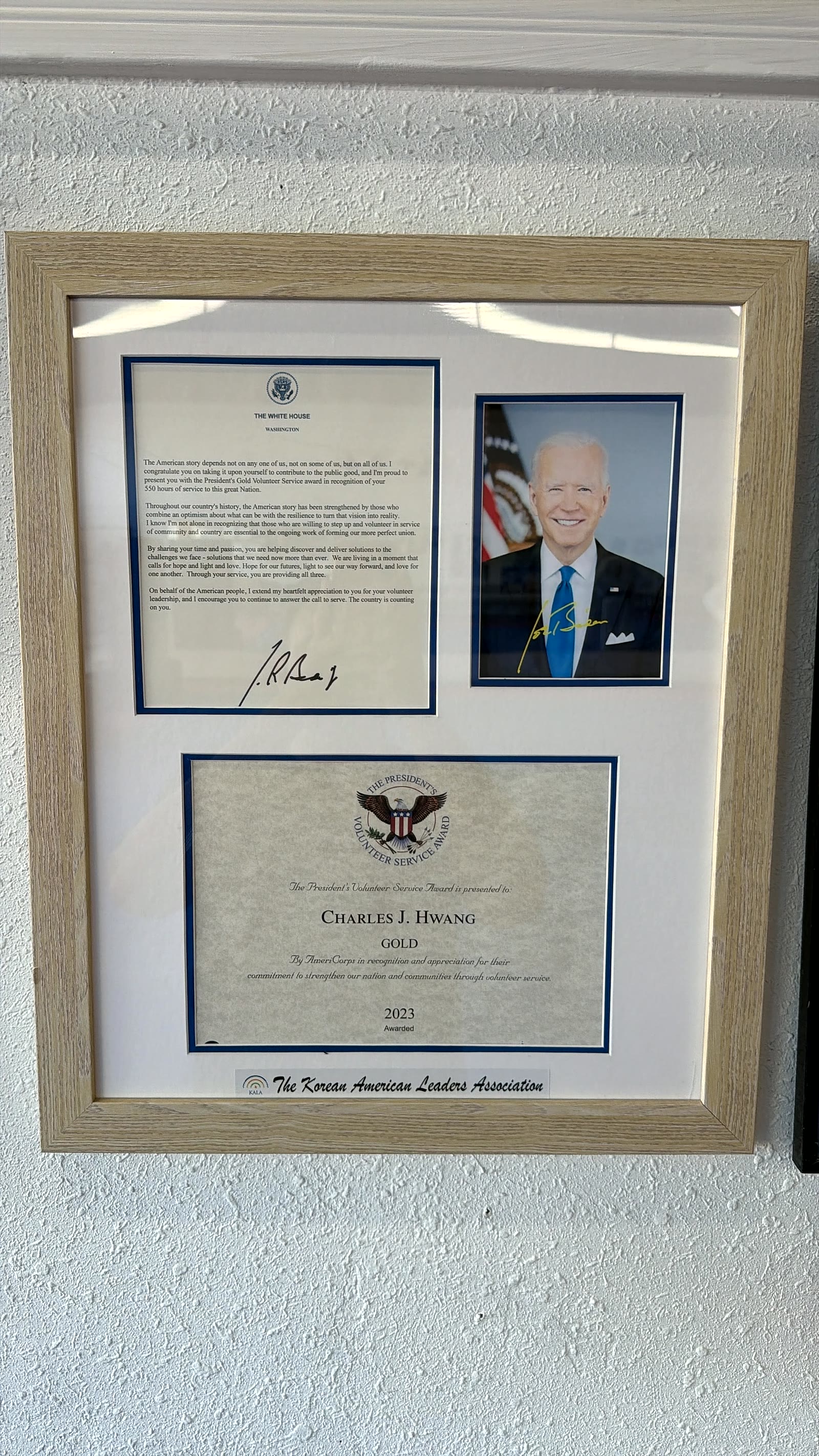
KIMOO's background includes Grand Master Jong Yeon Hwang's training at the Korea Hapkido Headquarters Dojang from 1971, his 8th Dan Hapkido rank, and Gold at the 10th Wushu World Cup in Milan in 2005. The academy also received the Santa Clara District 2 Business of the Year recognition in 2019 and the President's Volunteer Service Award / White House honor in 2023. These verified milestones provide useful context when families in Santa Clara evaluate an academy's tradition and leadership.
How to support focus outside class
Martial arts training works best when practice is connected to everyday habits. Students and families can reinforce the lessons without turning home into another class.
- Set one small practice goal for the week.
- Put equipment and clothing in one place before training day.
- Ask what the student learned, rather than only asking whether they won.
- Celebrate careful effort, listening, and improvement.
- Protect sleep and recovery so the student can learn with attention.
The purpose is consistency, not pressure. A sustainable routine leaves room for school, work, rest, and other interests.
Frequently asked questions
Can martial arts help a child who struggles to focus?
Martial arts can give a child regular practice in listening, following steps, and returning attention to a task. Results vary by student, and training should support, not replace, guidance from parents, teachers, or qualified professionals.
Does martial arts discipline mean harsh training?
No. Healthy discipline is built through clear expectations, respectful instruction, safe practice, and consistent effort. A premium academy should challenge students while keeping training controlled and age-appropriate.
Are adults able to improve focus through martial arts?
Yes. Adults can use the same process of repetition, goal setting, and feedback to develop a new skill. Beginners should choose a class where the instructor explains movements clearly and welcomes questions.
How do I know whether an academy is right for my family?
Look at the instructor's verified background, teaching environment, safety practices, and training options. A free trial class lets you experience the instruction and decide whether the academy matches your goals. Build a steadier practice of focus and discipline with KIMOO Martial Arts in Santa Clara. Book a free trial class, or call (408) 243-1001.
Train with a champion
Book your free trial class at KIMOO Martial Arts in Santa Clara and train under a World Cup gold medalist.